Troops Recover 16 Rustled Cattle in Plateau as Security Forces Intensify Crackdown on Militia Elements involved in Livestock Theft
By Zagazola Makama
Troops of Operation ENDURING PEACE have recovered 16 cattle allegedly rustled from a herd belonging to Mr. Isiaka Adamu in Quan’Pan Local Government Area of Plateau State, as security forces intensify efforts to dismantle networks of militia elements involved in livestock theft across the state.
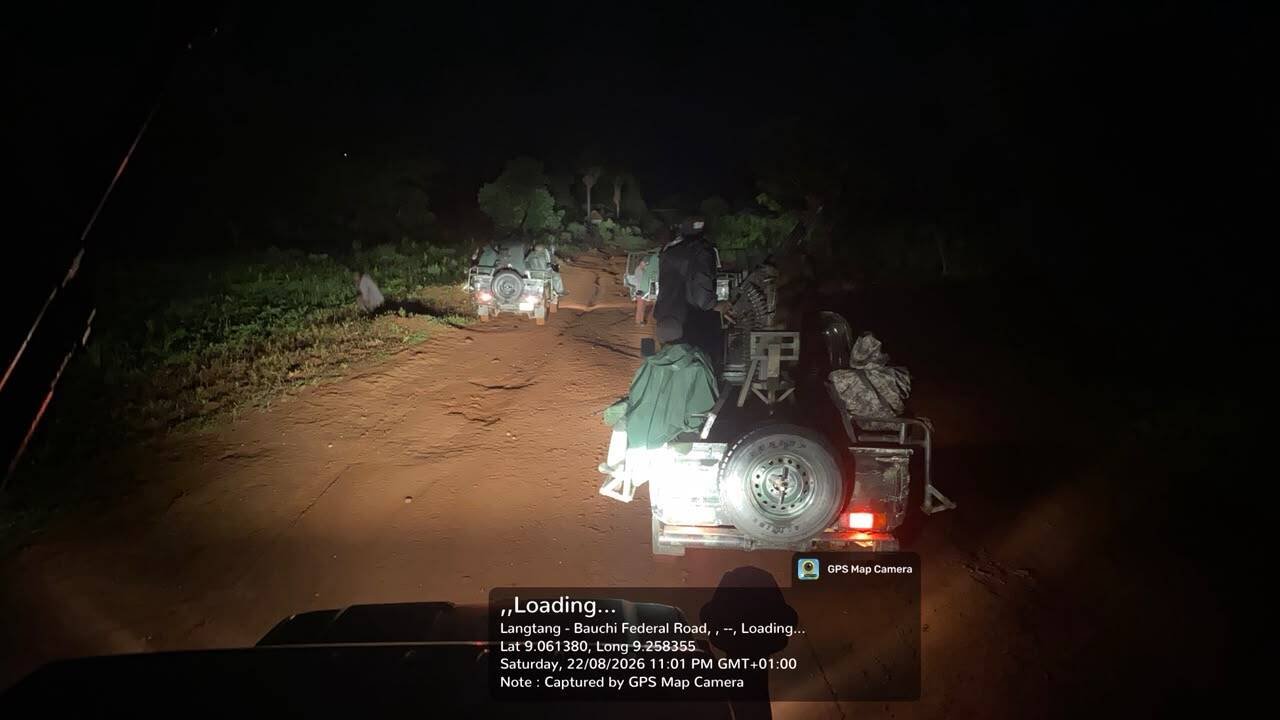
The recovery followed a report of the rustling of 75 cattle at Kefar, Jipal, in Quan’Pan LGA, prompting troops of Sector 8, Operation ENDURING PEACE, operating under Operation HARD KNOCK, to commence search and recovery operations.
Military sources said the operation was launched at about 5:59 p.m. on Saturday, August 22, 2026, following information that the cattle had been rustled.
During the search, youths in Kefar village handed over 14 cattle to the troops after the animals were reportedly found wandering in a thick forest between Jipal and Chakfem.
The livestock were subsequently identified by their owner, Isiaka Adamu.
The recovery brought the total number of cattle retrieved by the troops to 16, following the earlier recovery of two cattle at Gwasheshe in Mangun District. Troops have reassured the affected herders that search and recovery operations remain ongoing to locate the remaining cattle.
Suspected concealment areas identified
Security sources have also identified several difficult-to-access locations across Plateau State that are allegedly being used by criminal elements to conceal, hold temporarily or move rustled livestock.
In Mangu Local Government Area, security information has pointed to areas around Panyam, Kerang, Ampang, Mangun, Kombun and Bwai as locations requiring increased surveillance because of their terrain and dispersed settlements.
In Barkin Ladi LGA, attention has been drawn to parts of Fan District, including villages and mountainous areas that are difficult to access, as well as parts of Foron District, where the terrain and scattered settlements could provide cover for criminal elements involved in cattle rustling.
In Bassa LGA, security information has pointed to parts of Irigwe Chiefdom and adjoining areas towards the southern Kaduna axis, while in Riyom LGA, mountainous locations have similarly been identified as areas allegedly exploited by suspected livestock-rustling networks to conceal or move stolen cattle.
Security authorities, however, stress that the identification of these locations does not imply that residents or entire communities in the areas are involved in criminal activities. Rather, the areas are being examined from an operational perspective because of their terrain, accessibility challenges and the possibility that criminals could exploit the environment to evade security forces.
Youth leader arrested
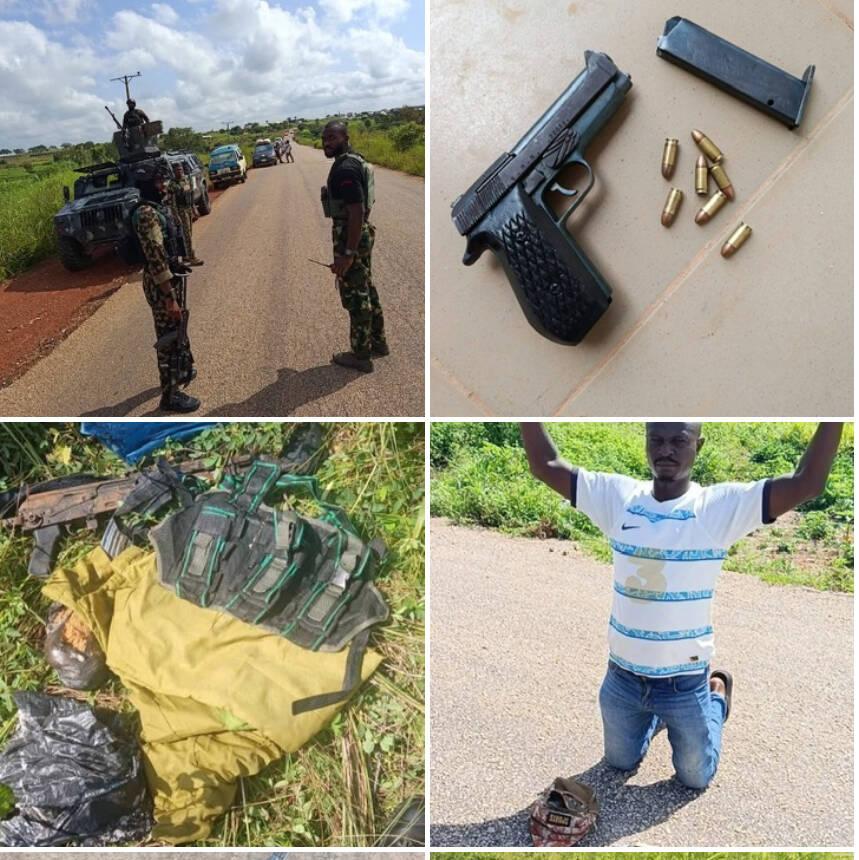
As part of ongoing efforts to dismantle the criminal networks behind livestock theft, a youth leader Joshua Ali, was arrested by troops of sector 8 over his involvement in cattle rustling in Barikin Ladi. Several other suspects linked to the alleged criminal activities were reportedly on the run as troops intensified efforts to track them down and bring them to justice.
The arrest and ongoing manhunt are part of a wider intelligence-led operation aimed at identifying individuals involved in the planning, execution, concealment and movement of rustled livestock.
The renewed focus on cattle rustling comes amid growing concern that livestock theft and isolated killings are increasingly becoming a major driver of insecurity and communal tensions in parts of Plateau State.
Security sources and community stakeholders have repeatedly expressed concern that cattle rustling does not end with the loss of livestock. In many cases, the theft can trigger retaliation and counter-retaliation between communities, particularly where the perpetrators are not immediately identified and brought to justice.
An attack involving the killing of cattle can quickly be followed by allegations against an entire community, while isolated killings of herders, farmers or other residents can similarly provoke retaliatory attacks. This creates a dangerous cycle in which an initially isolated criminal incident develops into a broader communal security crisis.
Recent incidents around Gero, Gyel, Riyom, Bassa and other parts of Plateau have further highlighted the vulnerability of rural communities, where attacks on people or livestock deep mistrust and animosity among farming and herders communities.
The situation is particularly concerning because stolen cattle can be moved through difficult terrain and concealed in remote locations, making recovery more difficult and creating opportunities for criminal networks to exploit existing communal tensions.
Therefore, tackling cattle rustling must go beyond the recovery of stolen livestock. It requires identifying the financiers, organisers, transporters, concealment points and final destinations of the stolen animals.
The recovery of the 16 cattle in Quan’Pan demonstrates the importance of rapid military intervention, community information and sustained search operations in recovering stolen livestock before they are moved beyond the reach of security forces.
Security authorities have consequently called for increased intelligence sharing between communities and security agencies, particularly in areas where the terrain provides natural cover for criminal elements.
The objective, they stressed, is to prevent cattle rustling, isolated killings and subsequent reprisals from continuing to feed into the wider cycle of violence threatening peace and coexistence across affected communities.