ISWAP Commanders Clash in Timbuktu Triangle, Several Feared Dead
By: Zagazola Makama
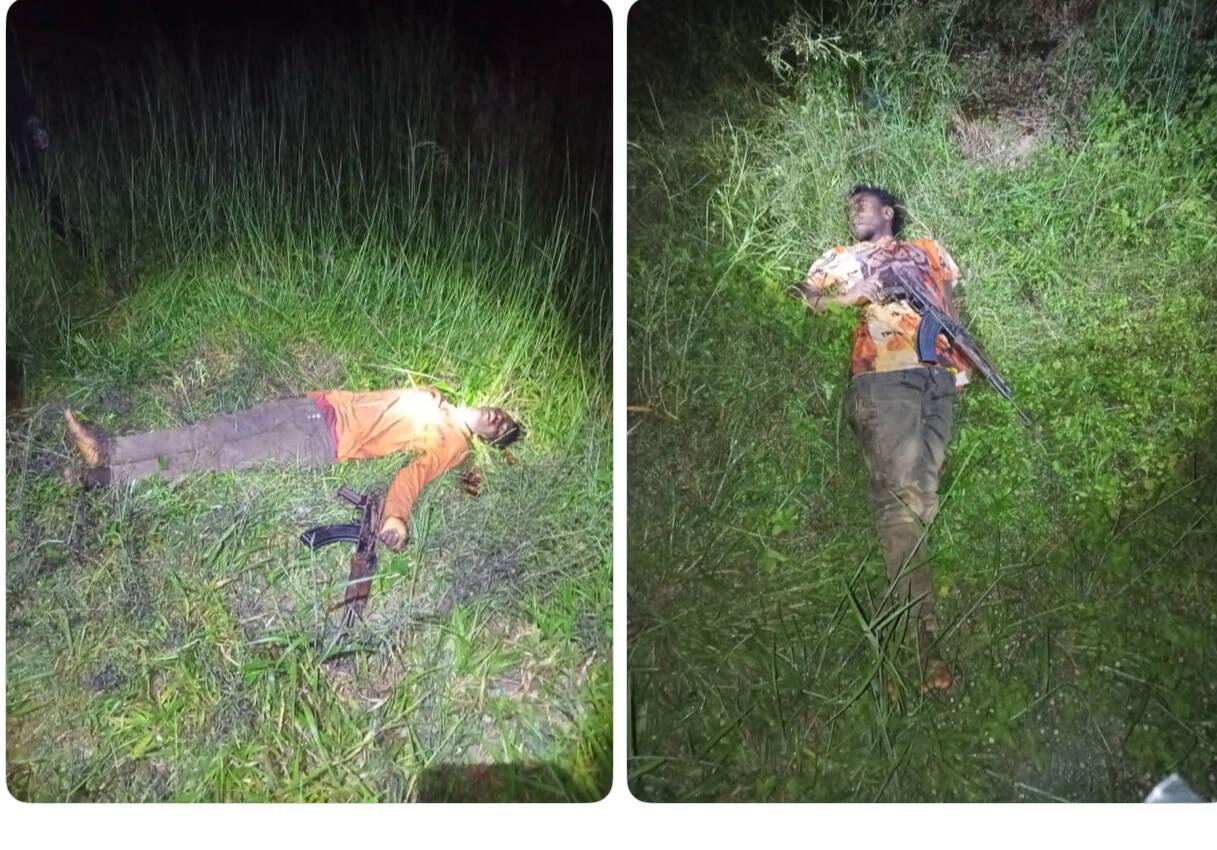
The Islamic State West Africa Province (ISWAP) has been hit by a violent internal power struggle in its stronghold within the Timbuktu Triangle, with several fighters reportedly killed after rival commanders turned their weapons on one another over a disagreement on a planned attack.
Intelligence sources told Zagazola Makama that the clash occurred on Friday, June 27, following a heated dispute between senior field commanders over the conduct of an operation that had been scheduled for the previous night.
According to the sources, one of the commanders, identified simply as Abu Ali, reportedly refused to allow fighters under his control to participate in the planned attack. His decision was said to have angered another senior commander, who accused him of deliberately frustrating the operation and questioned his loyalty to the group.
What began as an argument between the rival factions quickly degenerated into an exchange of gunfire inside the group’s enclave in the Timbuktu Triangle, one of ISWAP’s most fortified hideouts in the Lake Chad region.
Multiple intelligence sources familiar with developments in the area said several fighters were killed during the confrontation, while one of the rival commanders is believed to have died from injuries sustained in the clash. Security agencies are still working to establish the identities of those involved and determine the full casualty figure.
The incident marks one of the most serious cases of internal fighting recorded within ISWAP in recent months and points to growing cracks in the group’s command structure.
Sources said the dispute was not an isolated disagreement but the culmination of weeks of rising tension among commanders over operational decisions, dwindling resources and the management of logistics inside the enclave.
Sources believe the refusal to approve the planned attack merely exposed deeper grievances that had been building within the organisation, with rival commanders increasingly competing for influence, manpower and control of supplies.
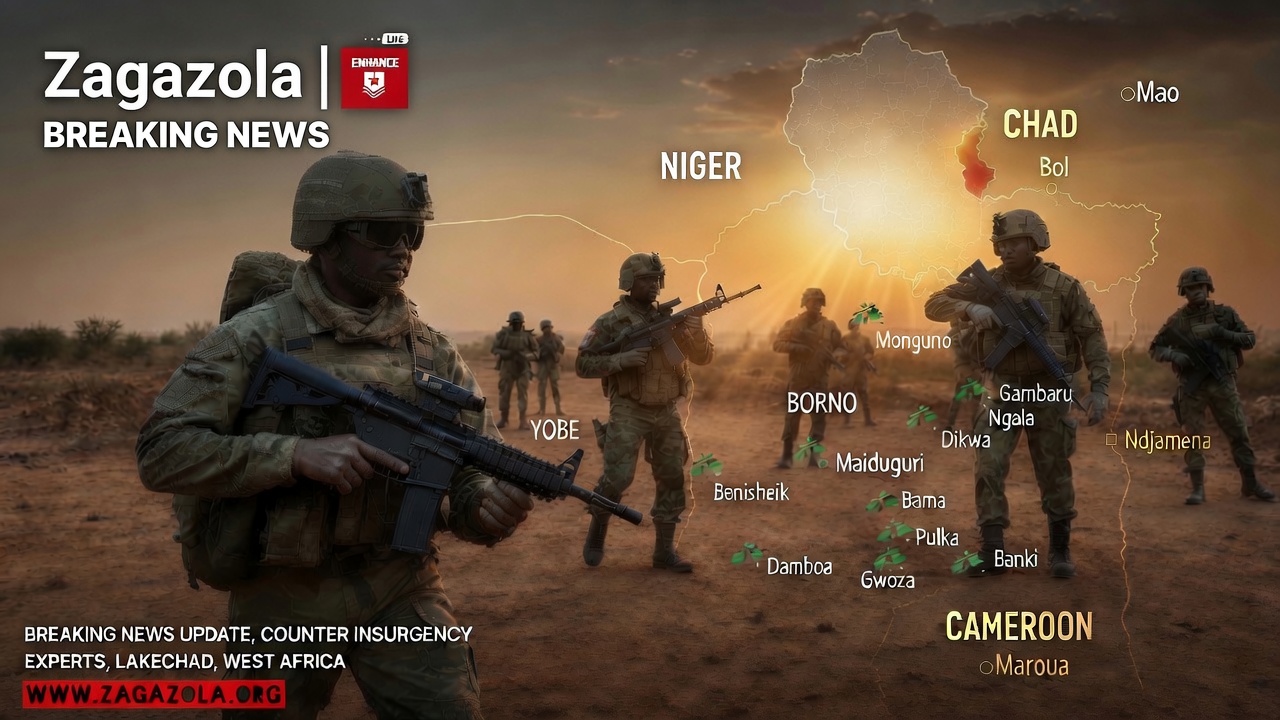
The Timbuktu Triangle has for years remained one of ISWAP’s principal operational bases, serving as a sanctuary for commanders, training camps and logistics hubs from where attacks are coordinated across parts of the Lake Chad Basin. Any disruption to command within the enclave is therefore considered significant from an operational standpoint.
Security sources said the latest confrontation is expected to affect the group’s ability to coordinate attacks in the immediate term as distrust spreads among commanders and fighters.
“The incident has created divisions within the camp. There is now suspicion among different factions, and this could affect decision-making, logistics and operational planning until the leadership is able to reassert control,” one intelligence source familiar with the situation said.
There are also concerns that the killing of a senior figure could trigger retaliatory attacks within the group, as loyalists seek revenge against those they hold responsible. Such reprisals have historically deepened divisions within terrorist organisations and weakened internal cohesion.
The latest development reflects the cumulative pressure ISWAP has come under in recent months as sustained military operations continue to target its commanders, logistics networks and freedom of movement across the Lake Chad region.
Although the group remains capable of carrying out attacks, security analysts believe persistent military pressure has increased competition over scarce resources and intensified mistrust among field commanders, creating conditions for internal conflict.
The incident offers a rare glimpse into the growing strains within one of the region’s most organised terrorist groups, suggesting that, beyond the battlefield, ISWAP is increasingly confronting a struggle for cohesion and control from within.
The development is also viewed as an opportunity for ongoing counter-terrorism efforts. Intelligence officials believe divisions within the group could encourage defections and make it more difficult for ISWAP to plan and execute coordinated operations if the internal crisis persists.