UNDP, Operation Hadin Kai deepen partnership on non-kinetic operations, civil protection in North East
By: Zagazola Makama
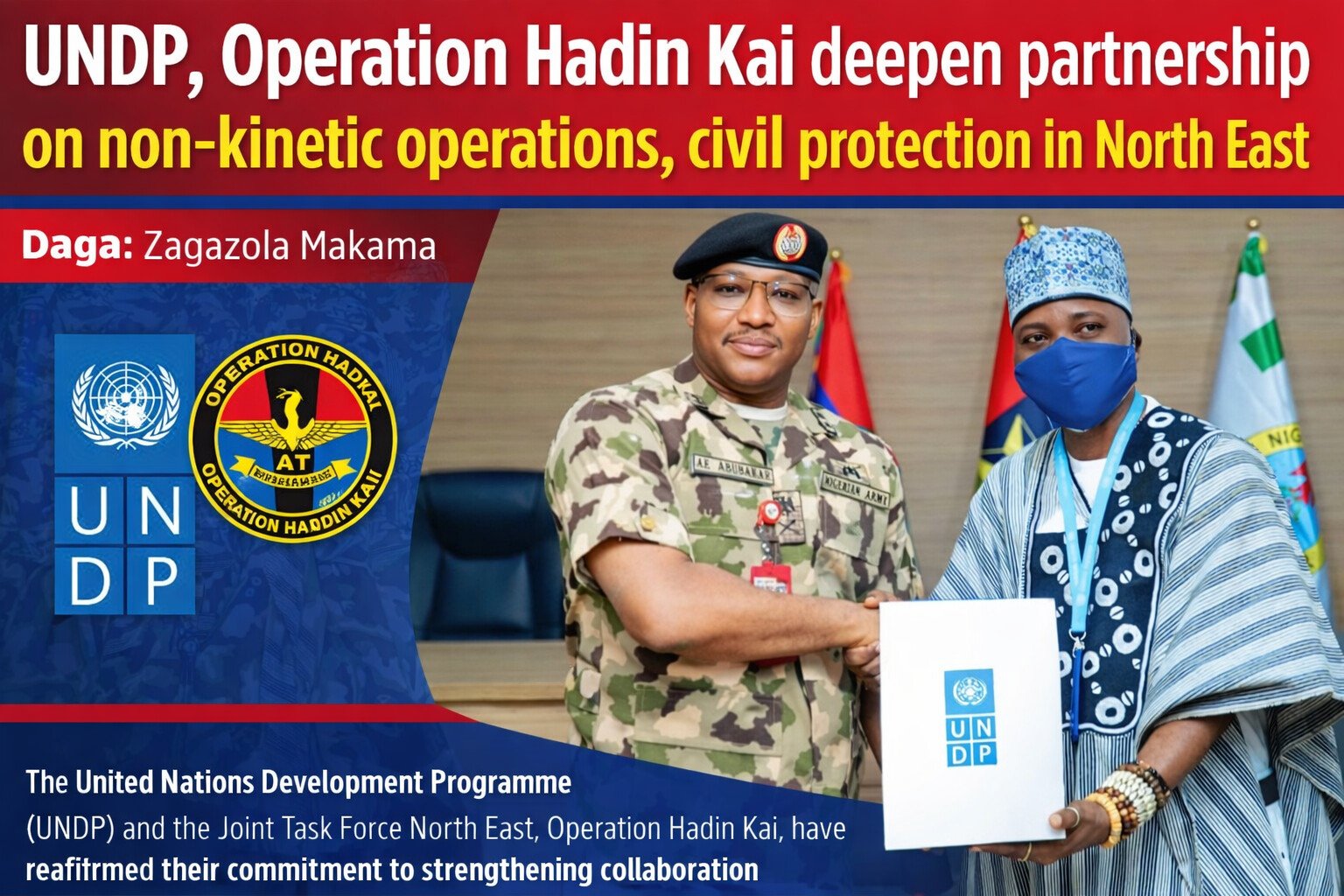
The United Nations Development Programme (UNDP) and the Joint Task Force North East, Operation Hadin Kai, have reaffirmed their commitment to strengthening collaboration on non-kinetic operations, civil protection and institutional capacity-building to accelerate socio-economic recovery in the North East.

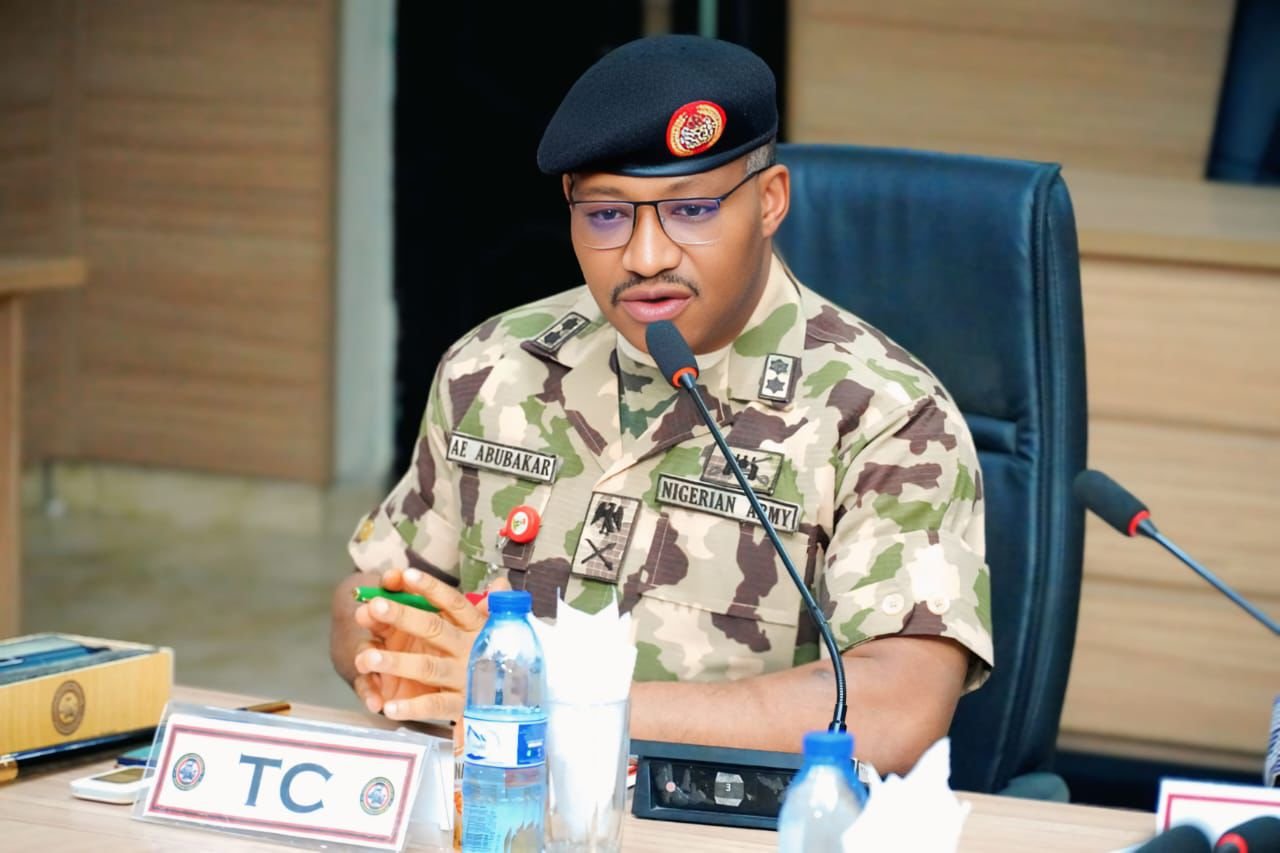
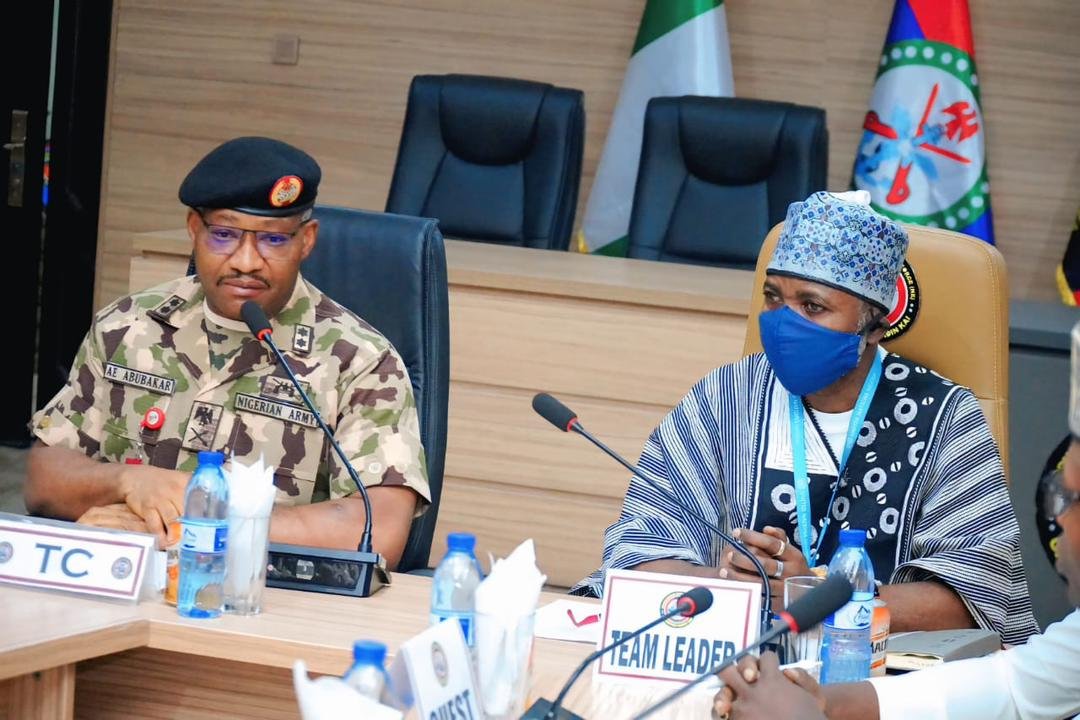
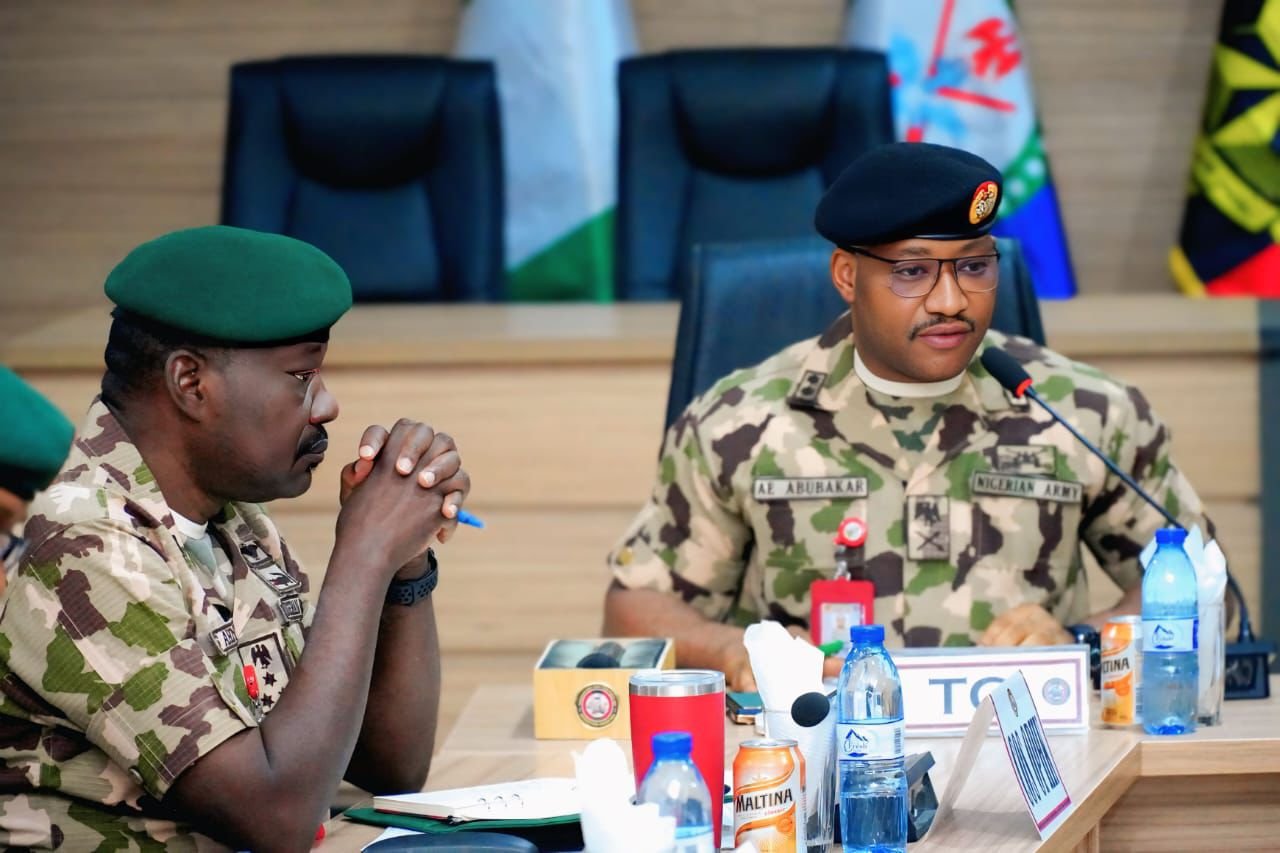
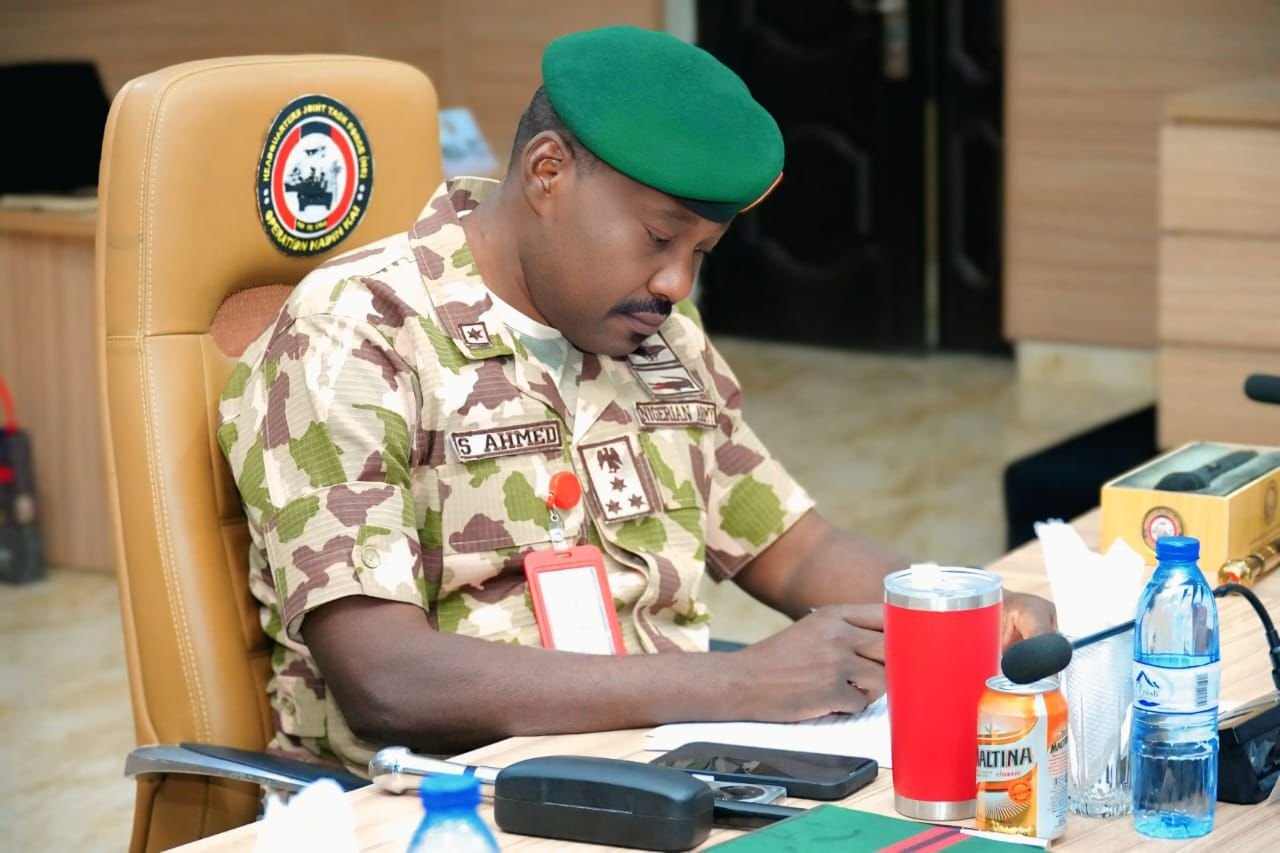
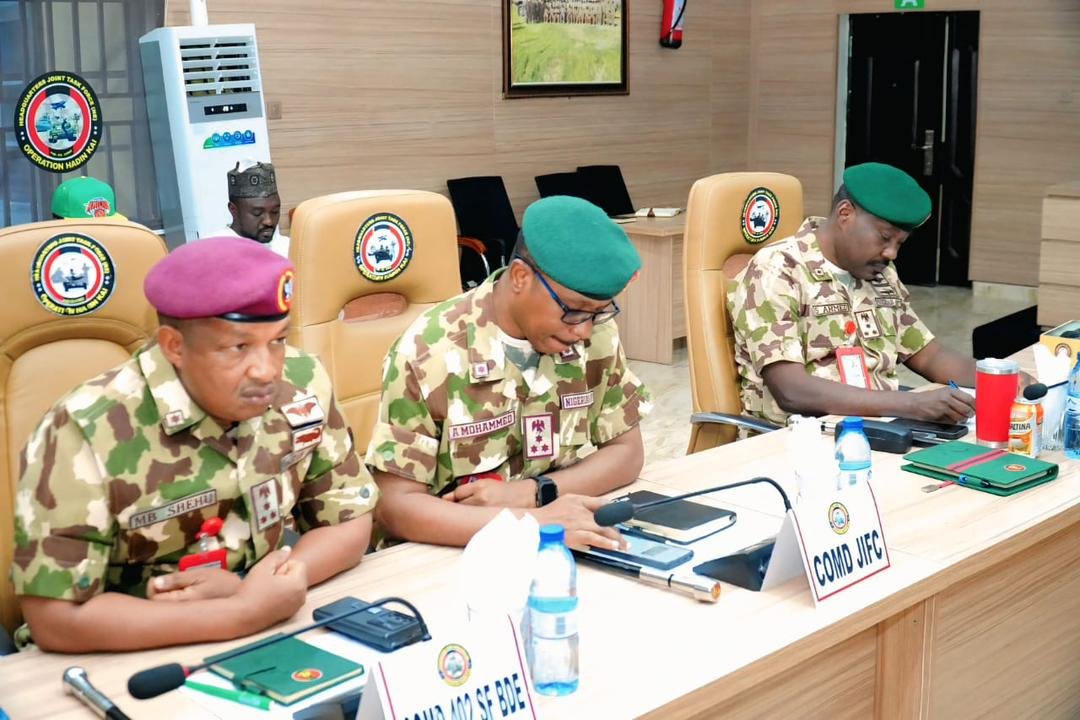
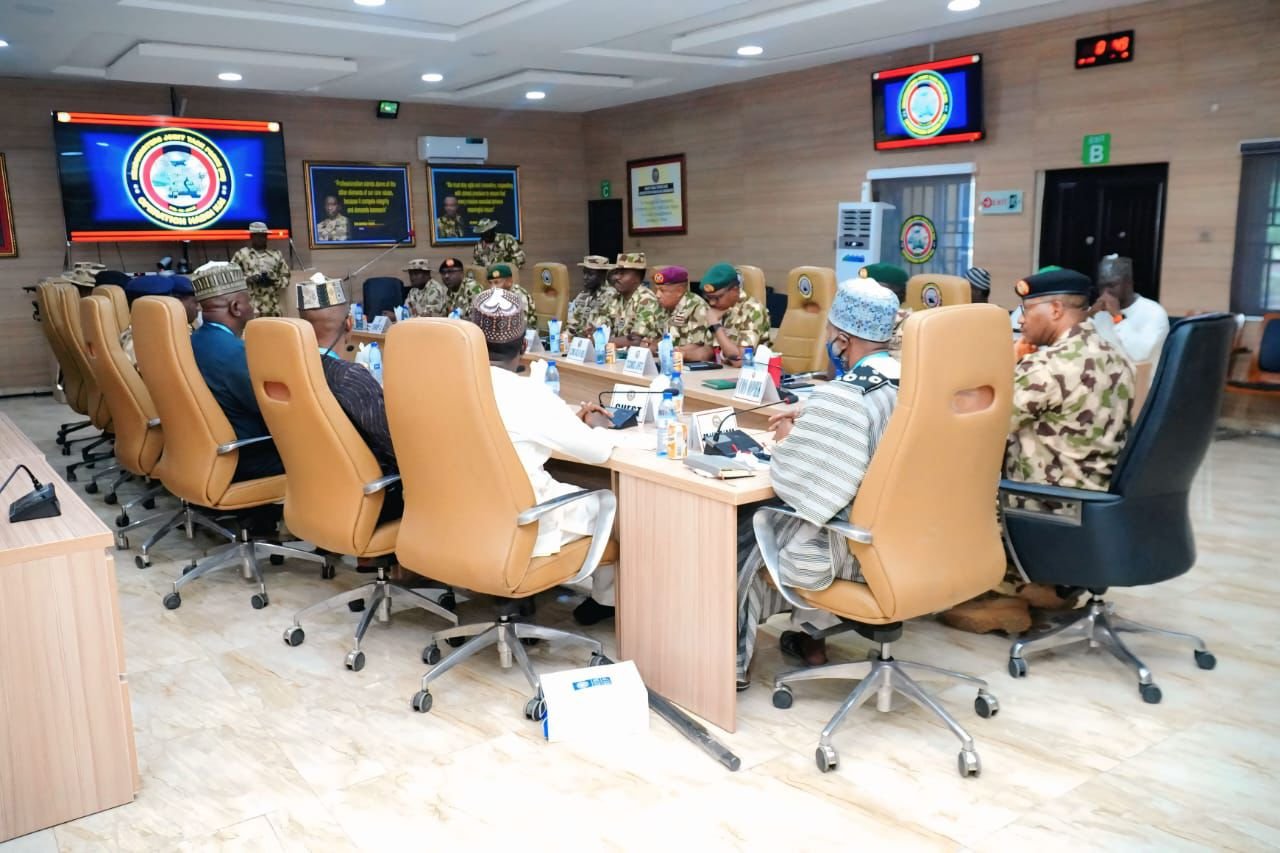
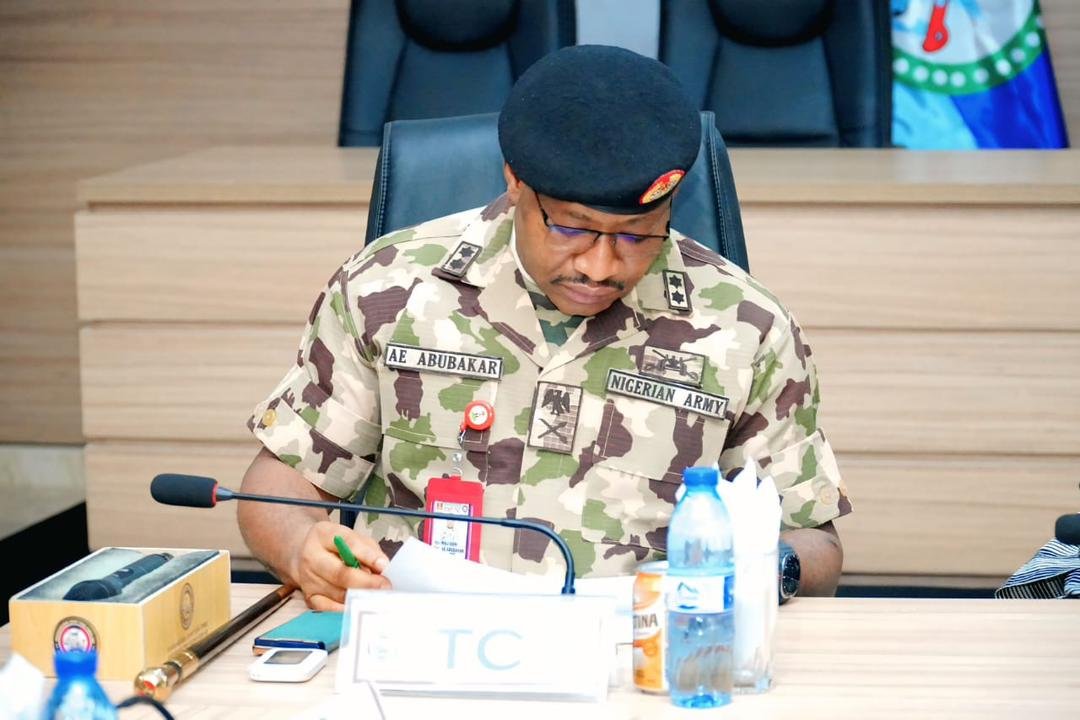
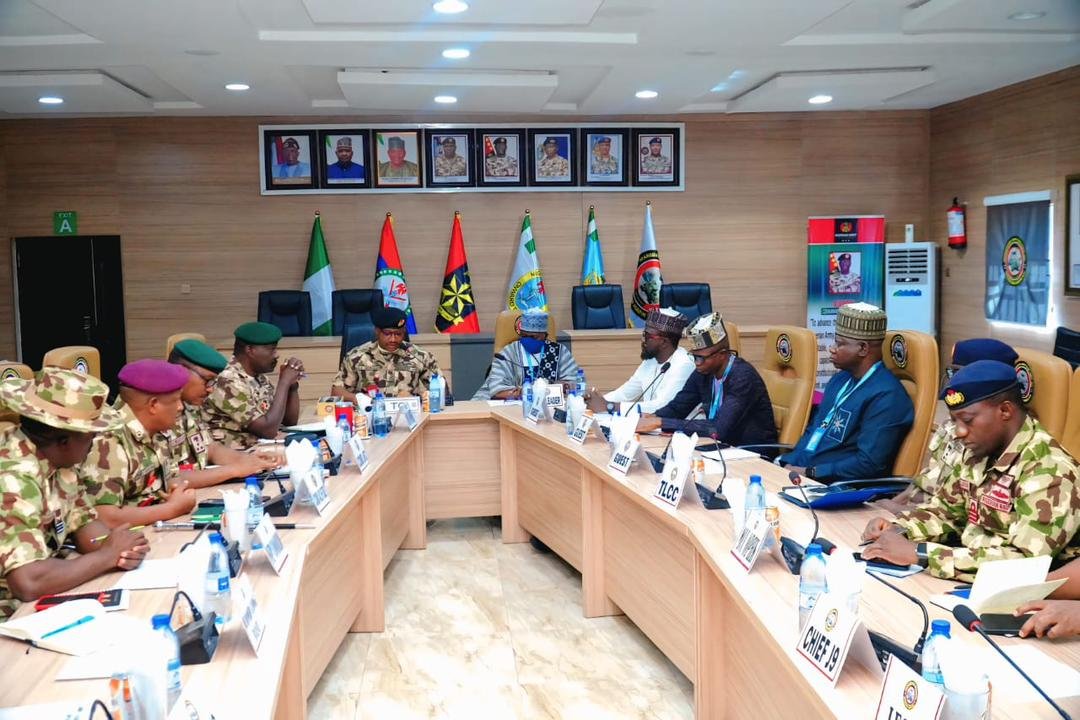
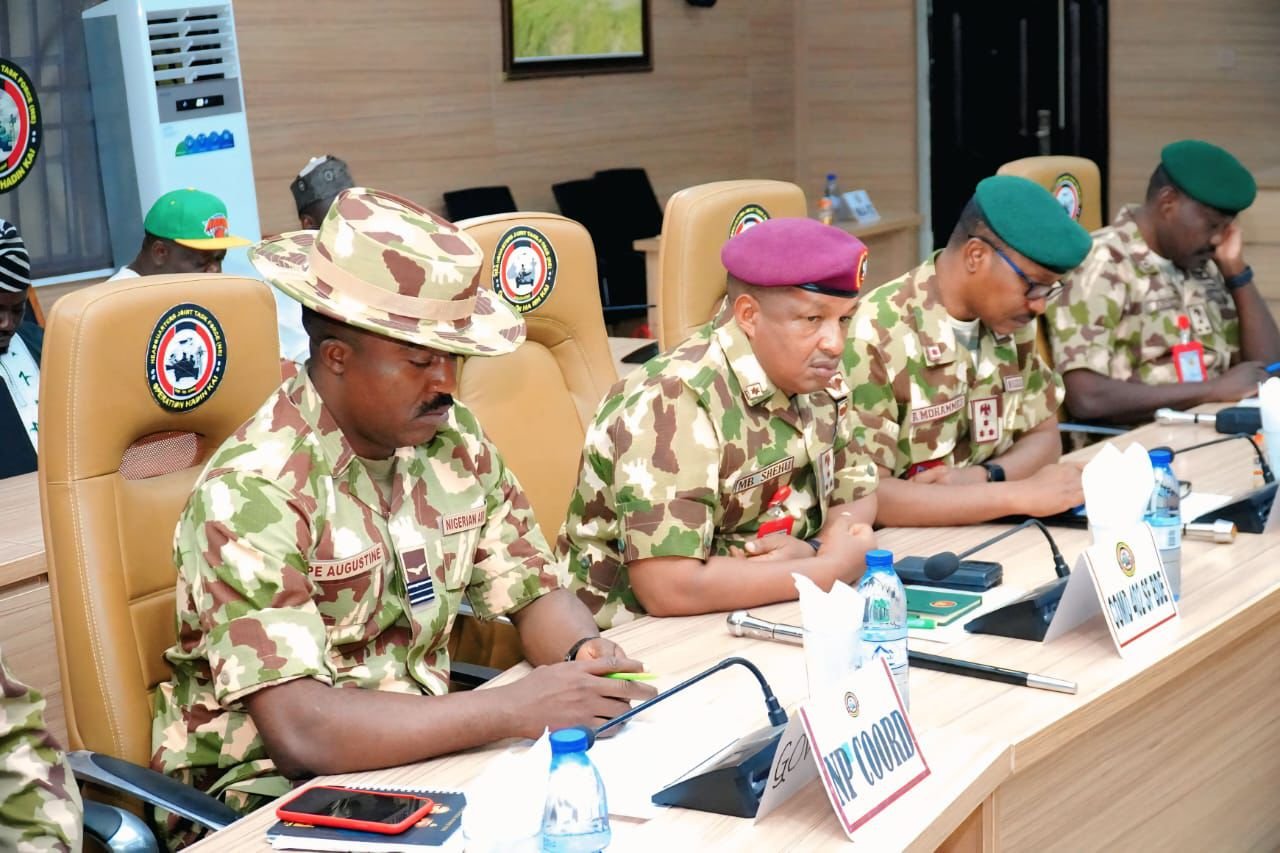
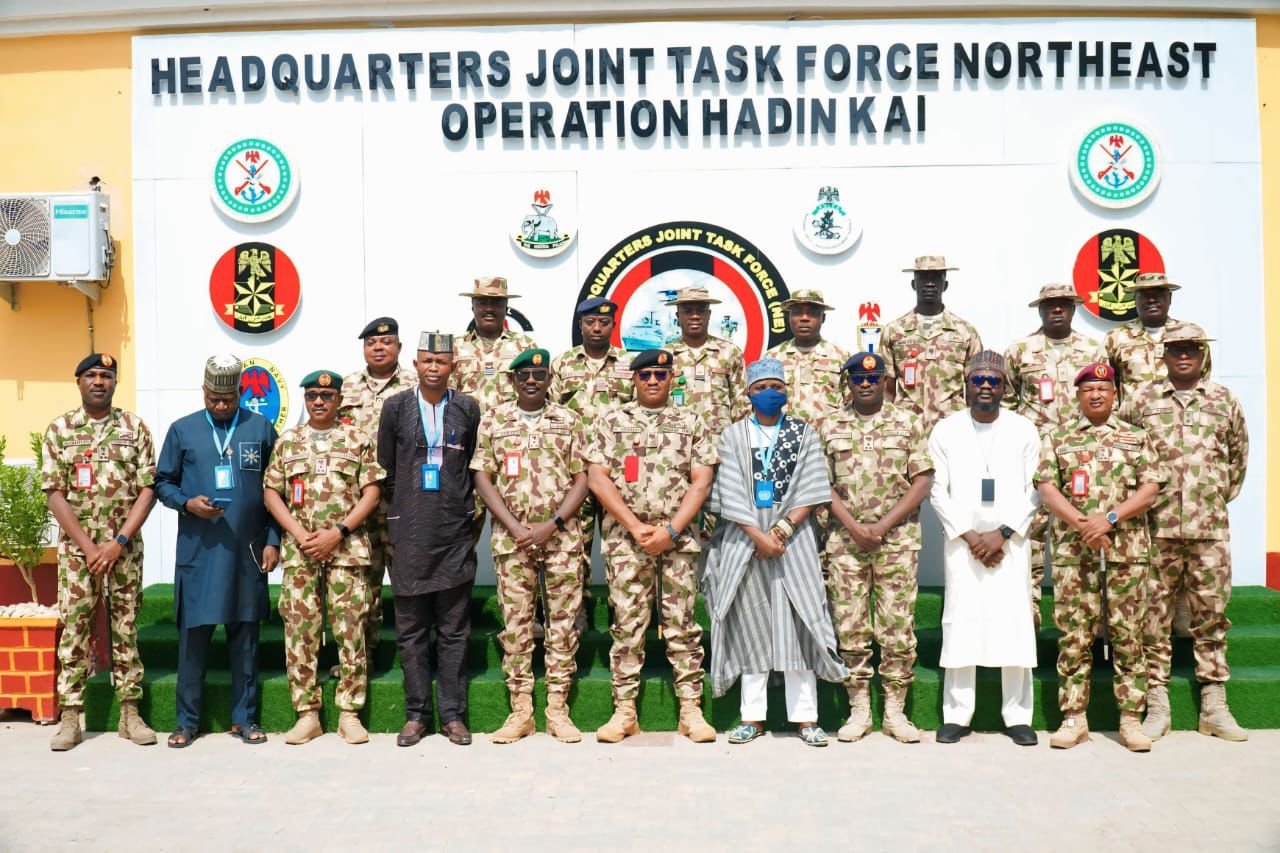
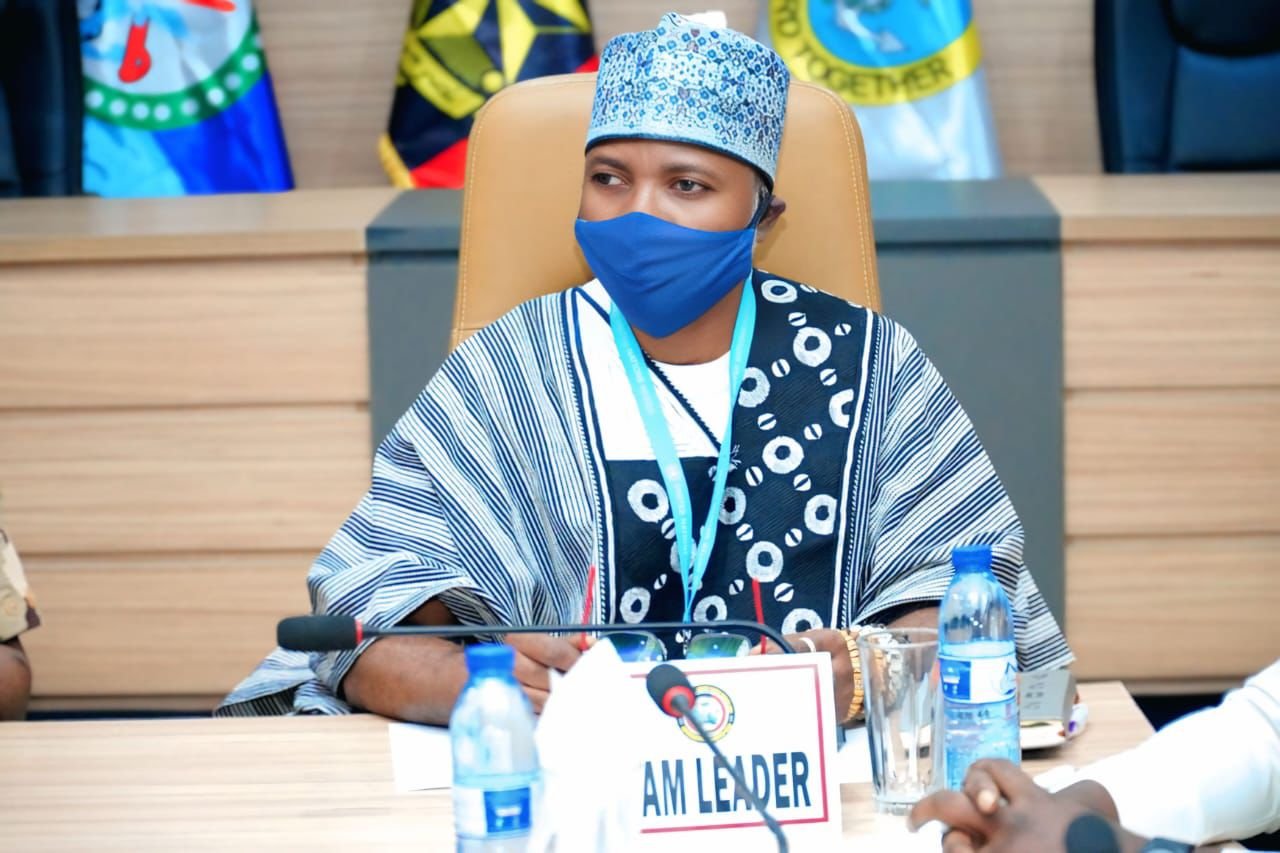
This was the thrust of discussions on Thursday at the Headquarters of Operation Hadin Kai in Maiduguri during a courtesy visit by the Head of UNDP’s North-East Nigeria Office, Mr. Charles Nash, and his delegation to the Theatre Commander, Maj.-Gen. Abdulsalam Abubakar.

The UNDP team included the Public Security Coordinator, the Field Security Analyst and other senior officials.
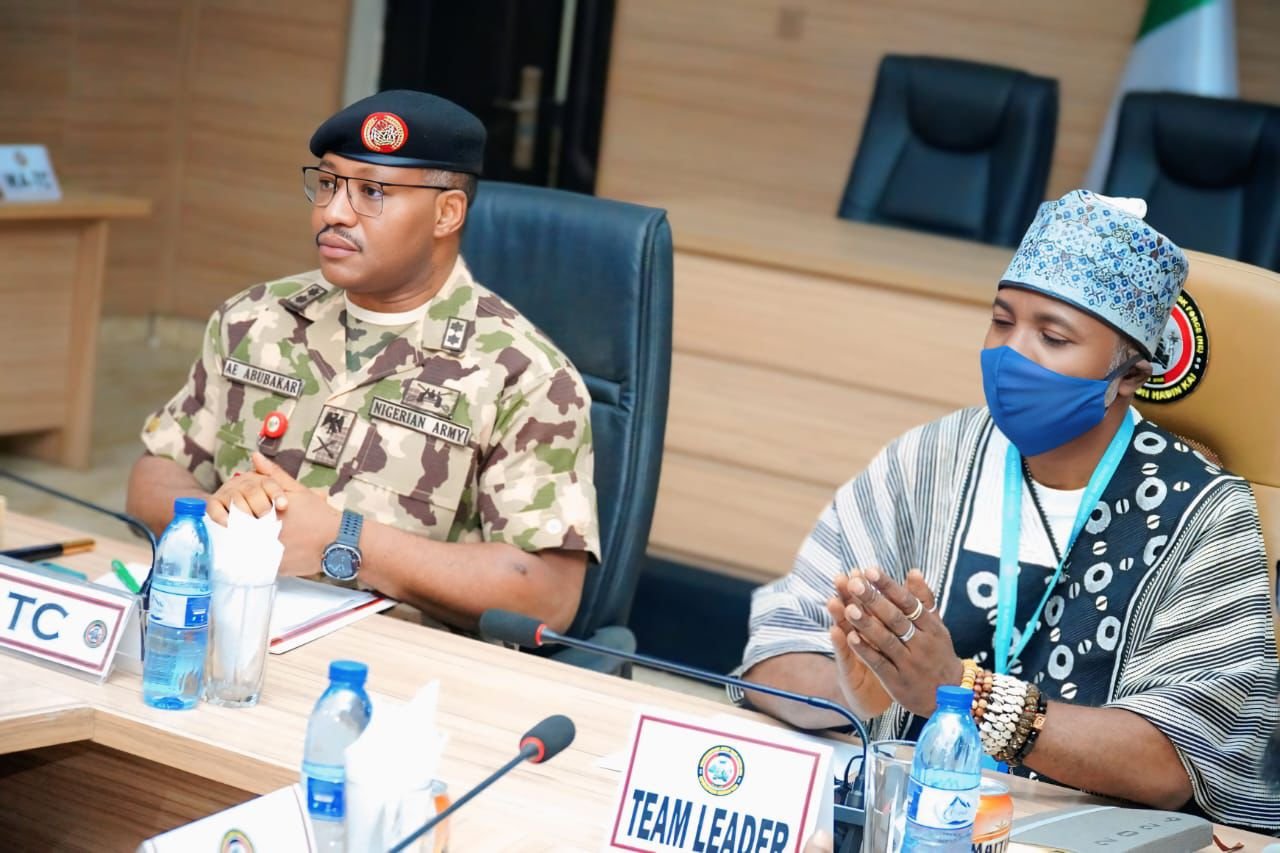
Speaking at the meeting, Nash said he was delighted to be at the Headquarters and used the opportunity to extend UNDP’s best wishes for the New Year to the Theatre Command.
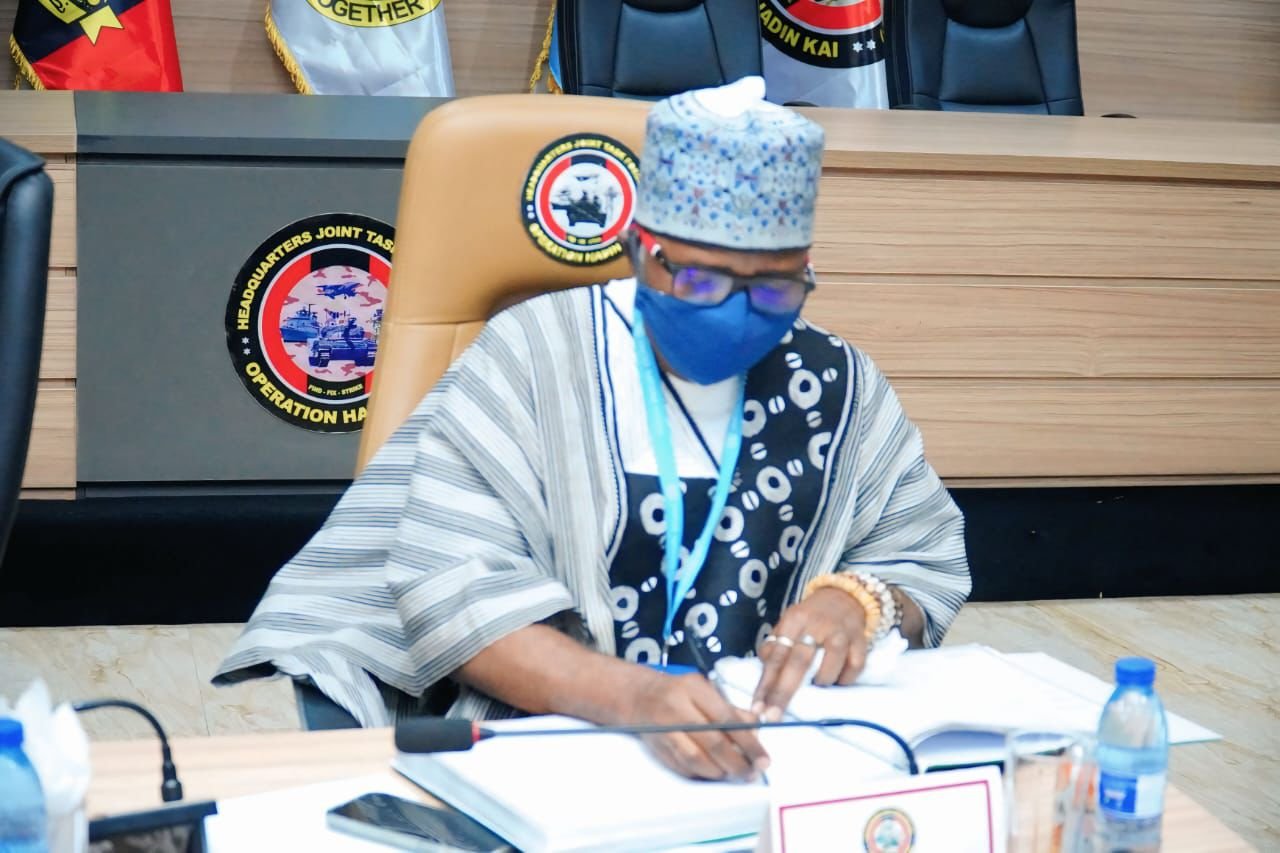
He thanked the military leadership for the “continued collaboration and strong working relationship” between UNDP and Operation Hadin Kai, describing the partnership as critical to stabilisation and recovery efforts in the region.
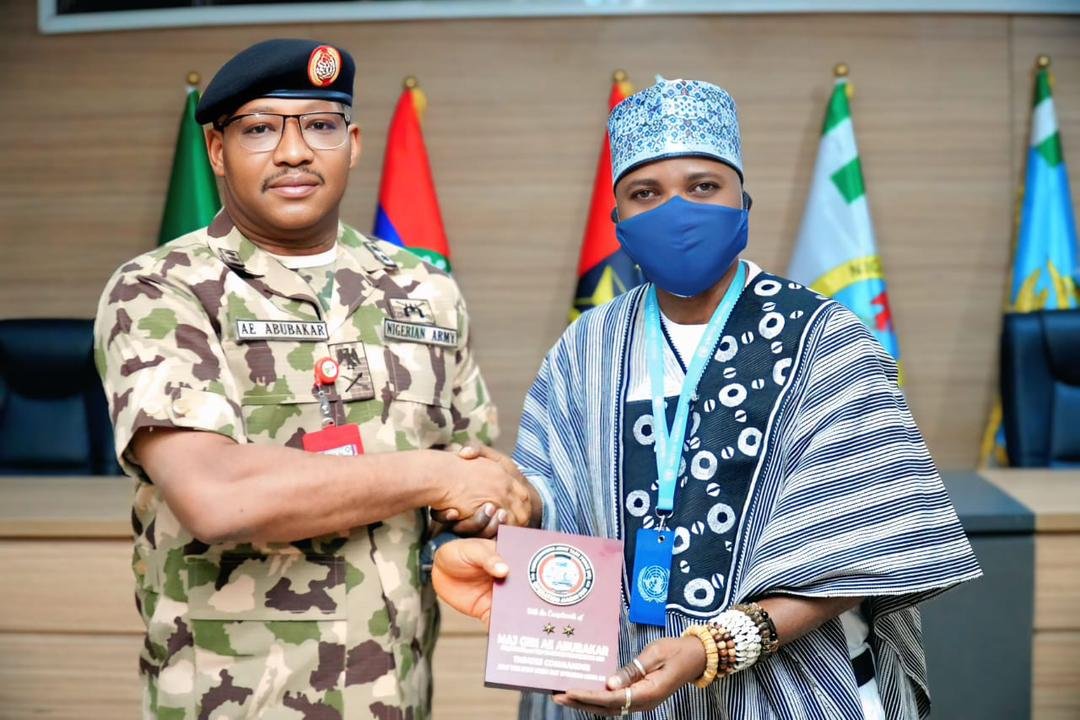
Nash also conveyed a message from the former UNDP Country Representative, Mrs. Elsie Atakwa, expressing appreciation for the consistent openness and support extended to UNDP and its programmes in the North East.
He recalled the joint Mental Health and Psychosocial Support (MHPSS) Training and Law Enforcement Workshop held last year in Abuja and Maiduguri, noting that it had produced two major outputs – a Law Enforcement Training Manual and an Operational Guide for implementing MHPSS.
“These are practical tools that will continue to guide engagement with law enforcement and security agencies in supporting the mental wellbeing of personnel and affected communities,” he said.
Nash disclosed that UNDP would soon submit a formal request for the nomination of focal persons for wellness to be supported in 2026, adding that capacity development remained a core pillar of UNDP’s engagement with the security sector.
Looking ahead, he outlined UNDP’s strategic directions for 2026, including the consolidation of interventions from the federal to the local level, with a focus on policy coherence, civil protection and sustainability.
He said one of the key outcomes of UNDP’s Regional Strategy and Facility Board Meeting in Abuja last November was the proposal for the deployment of a CCTV-enabled monitoring system to strengthen early-warning and preventive capacity of security forces.
“We intend to support this by providing long-range cameras and related equipment to enhance situational awareness and protection of civilians,” Nash said.
He reaffirmed UNDP’s commitment to harmonious collaboration with Operation Hadin Kai, stressing that the organisation remained guided by military coordination protocols and shared operational standards despite the difficult global financial environment.
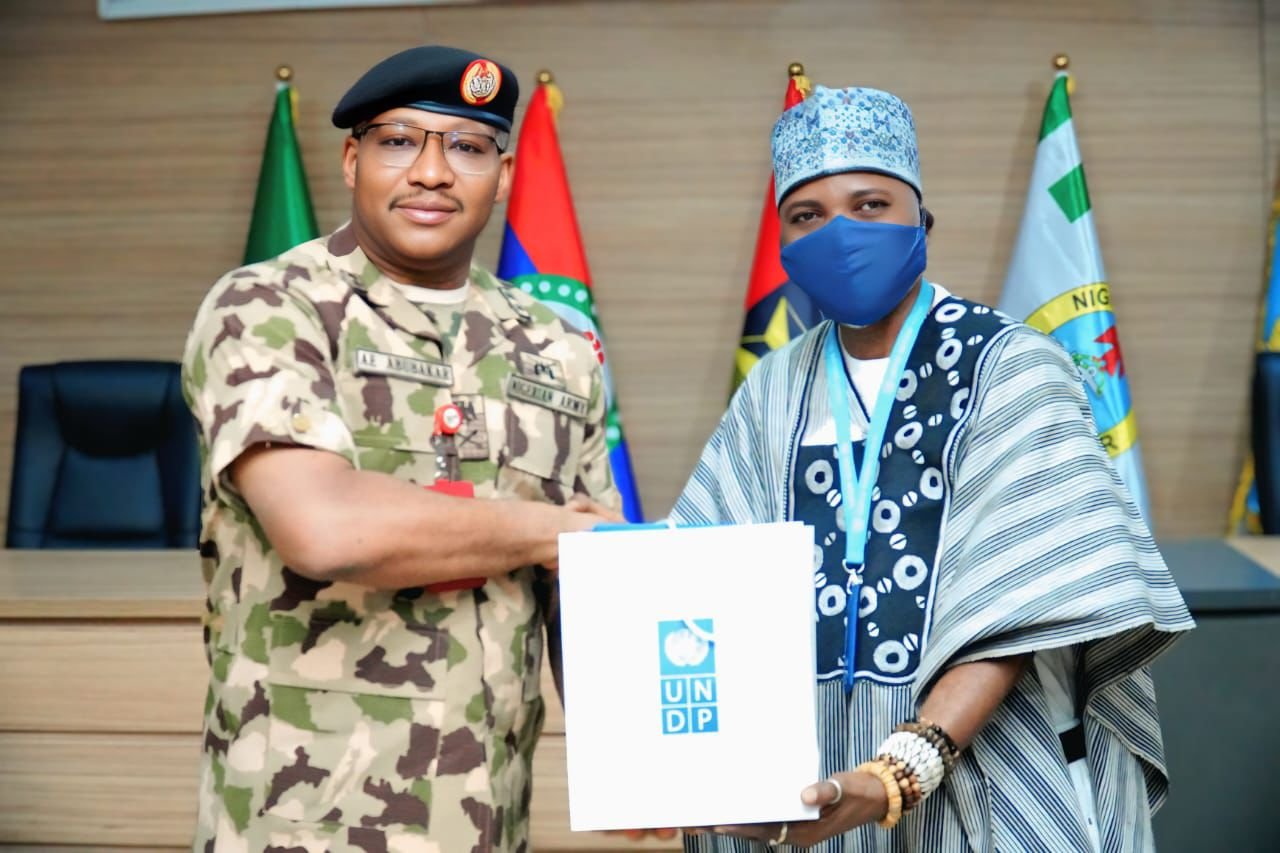
In his response, Maj.-Gen. Abubakar warmly welcomed the UNDP delegation and commended the organisation for its consistent support to stabilisation and recovery in the North East.
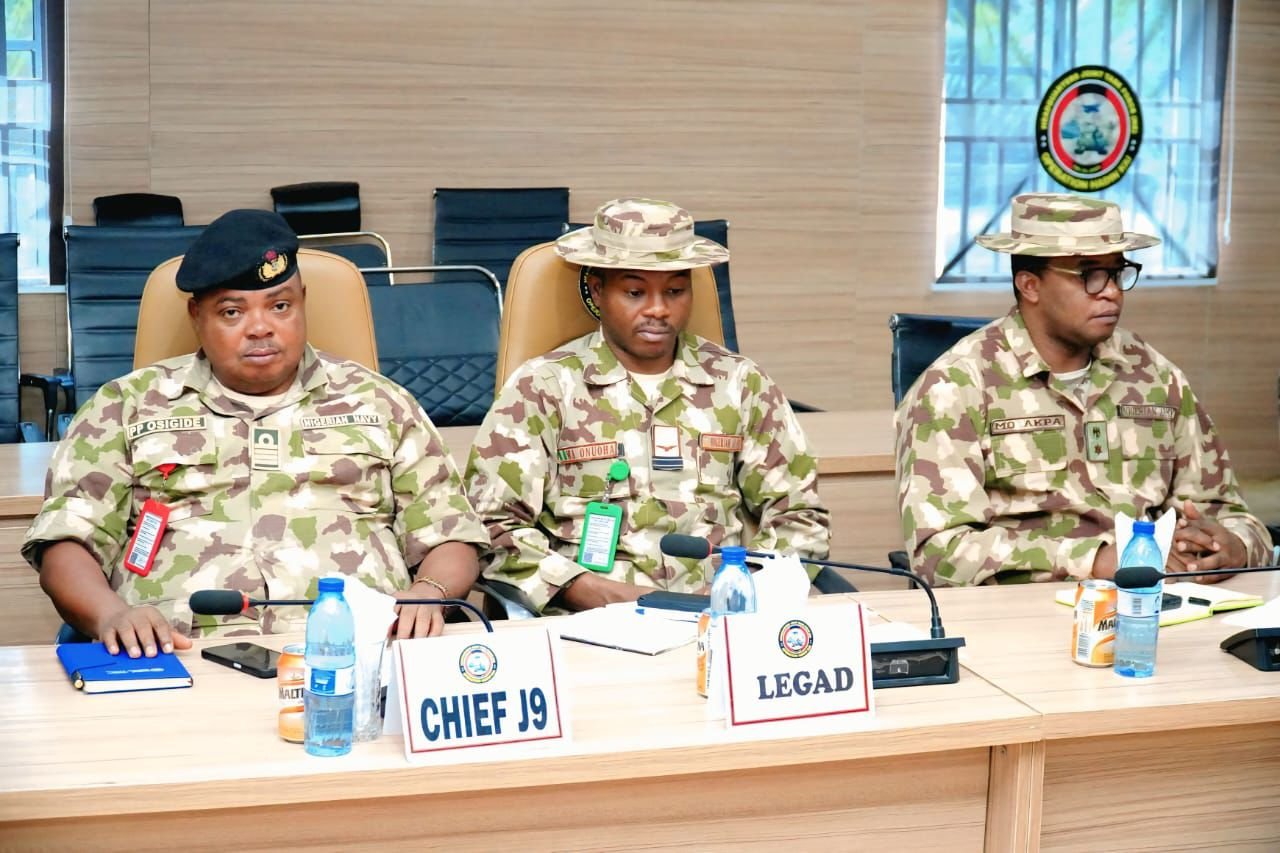
He said the mandate of Operation Hadin Kai went beyond combat operations, stressing that restoring socio-economic activities across the region depended largely on effective non-kinetic engagements.
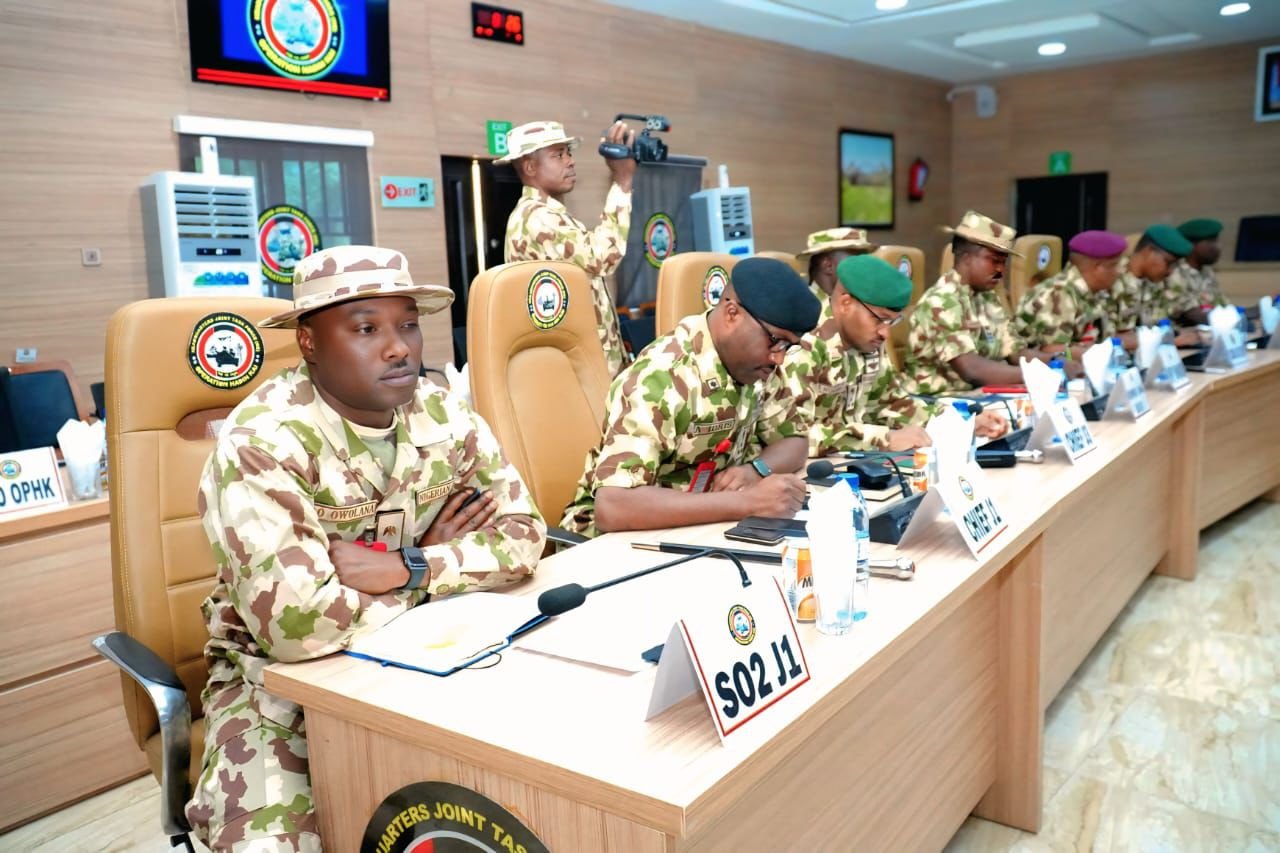
“In asymmetric warfare, only about 30 per cent of success is achieved through kinetic means. The remaining 70 per cent comes from non-kinetic lines of operation. That is where UNDP plays a very critical role,” he said.
Abubakar described UNDP as one of the Command’s most strategic partners in the fight against insurgency and pledged continued cooperation.
He appreciated the training opportunities UNDP had extended to government institutions and military formations over the years, and said the Command placed “a very high premium” on training as a means of enhancing operational effectiveness.
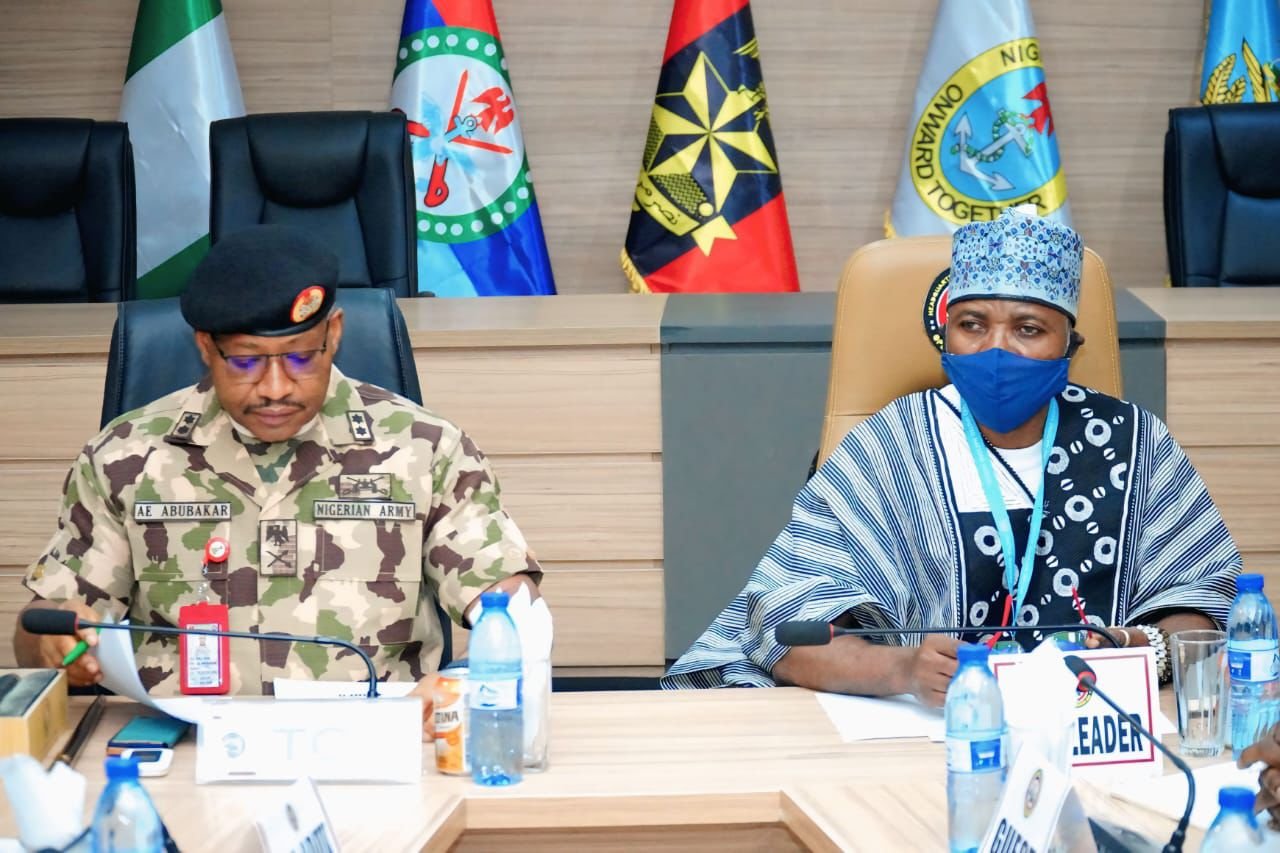
The Theatre Commander welcomed UNDP’s focus on institutionalising interventions and grassroots participation, noting that the protection of civilians and civilian harm mitigation were also key priorities for the military.
He said Operation Hadin Kai had benefitted from several trainings in these areas, particularly in relation to the use of air platforms.
On the proposed CCTV-enabled system, Abubakar said the Nigerian Army had already invested significantly in developing a Military Command and Control Centre that would link all 161 military locations in the North East.
“We have received a pledge of over N200 million from the Chief of Army Staff to support this project, which will enable real-time monitoring and better early-warning responses,” he said.
He called for close coordination with UNDP to avoid duplication and ensure synergy.
Abubakar also raised concerns about the global funding environment and the likelihood of downsizing by international partners, urging governments to begin planning to fill emerging gaps in humanitarian response, nutrition and medical support.
He appealed to UNDP to continue advocating for increased domestic responsibility in its engagements with government stakeholders.
“Over the years, we have built capacity and gained experience. Now is the time to start looking inward, so that any shortfall does not negatively affect stability and operations in the theatre,” he said.
The visit ended with both sides reaffirming their shared commitment to deepening cooperation in 2026 and beyond, in support of peace, security and sustainable development in the North East.