Al-Shabaab and the Emerging Debate Over a Taliban-Style Political Transition
By Zagazola Makama
A growing debate within Al-Shabaab’s media ecosystem over the possibility of negotiations with the Federal Government of Somalia may signal an important internal discussion about the future direction of the militant group.
The debate has gained attention following the publication of two articles by a writer using the alias Eng. Kurtun Hassan, whose writings have appeared extensively in Al-Shabaab-affiliated media.
The articles raise questions about whether Al-Shabaab could eventually pursue a path comparable, in some respects, to the political transition undertaken by the Taliban in Afghanistan, including negotiations and eventual engagement with the international community.
The emerging discourse is significant because it goes beyond battlefield developments and touches on the central question of whether Al-Shabaab could evolve from an insurgent organisation into a political and governing authority.
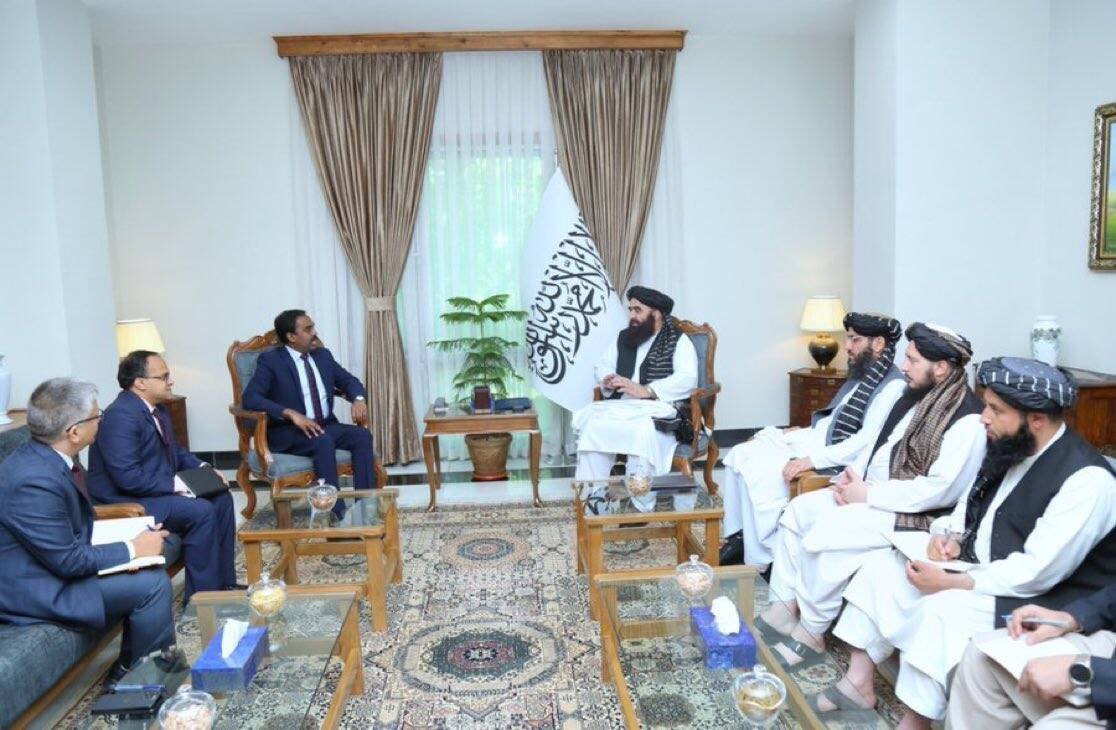
Sources cited in the emerging reporting suggest that elements within Al-Shabaab’s leadership may be considering negotiations with the Federal Government of Somalia, potentially through foreign intermediaries trusted by both sides.
The reported discussions, however, have not been publicly acknowledged by the Somali government or Al-Shabaab leadership as a formal negotiation process.
According to the assessments, the militant group’s leadership may be waiting for what it considers favourable political and security conditions before making any public decision.
Such a development, if eventually confirmed, would represent a major departure from Al-Shabaab’s longstanding strategy of armed insurgency.
For nearly two decades, the group has sought to challenge the Somali state and establish its own interpretation of Islamic governance, while maintaining links to the broader jihadist movement.
Another important aspect of the emerging debate is the reported interest among some Al-Shabaab members in developments in Afghanistan and Syria.
Sources indicate that senior members and sympathisers are closely following questions surrounding governance, military affairs, state administration, security and economic management in those countries.
In some Al-Shabaab-controlled areas, including Jilib, Bu’aale and Kunyoo Barrow, discussions are reportedly becoming more open about whether the organisation could transform itself into a governing authority.
Some members and sympathisers are said to be comparing Al-Shabaab’s existing administrative structures with armed groups that emerged during the Syrian conflict.
The argument reportedly advanced by some of them is that Al-Shabaab already possesses taxation systems, administrative structures and mechanisms for controlling territory that could potentially be adapted into a broader system of governance.
Al-Shabaab remains one of the most powerful jihadist organisations in Africa. Its manpower is difficult to establish with certainty, but available assessments have placed its overall strength at around 20,000 members, including approximately 12,000 armed combatants.
The organisation has also developed significant revenue-generating mechanisms, including taxation, extortion and illicit economic activities.
Estimates of its annual revenue have exceeded $100 million, although such figures are difficult to independently verify.
At the same time, the group has faced growing financial pressure over the past three years as the Somali government, supported by regional and international partners, has intensified efforts to disrupt its financial networks.
The pressure could be contributing to internal discussions about the sustainability of prolonged armed conflict.
If the reported discussions are eventually confirmed by independent sources, they could represent one of the most significant strategic debates within Al-Shabaab since its emergence as Somalia’s dominant jihadist insurgency.
A transition from armed jihad towards negotiations and political participation would fundamentally alter the security landscape in Somalia and potentially across the wider Horn of Africa.
However, the comparison with the Taliban should be treated cautiously. The Taliban’s eventual return to power was shaped by a unique combination of military, political, diplomatic and regional circumstances. Al-Shabaab operates in a different political and security environment, and there is no guarantee that its internal debate will produce a similar outcome.
More importantly, discussions about negotiations do not necessarily mean that the group has abandoned its jihadist ideology.
Militant organisations have historically used political engagement, negotiations and ceasefires for a variety of strategic purposes, including gaining time, reducing military pressure or improving their bargaining position.
Perhaps the most consequential issue is whether Al-Shabaab is genuinely reconsidering the transnational jihadist ideology that has guided its activities for years. Reports suggesting that elements within the organisation are studying governance models in Afghanistan and Syria may indicate an attempt to rethink the group’s long-term political identity.
But this remains an area requiring substantial corroboration.
There is currently insufficient evidence to conclude that Al-Shabaab as an organisation has formally abandoned its jihadist ideology or decided to enter negotiations with Mogadishu.
The writings attributed to Eng. Kurtun Hassan are therefore important less because they constitute an official policy declaration, and more because they provide a window into a debate that may be taking place within the group’s wider media and ideological environment.
The key question now is whether the debate will remain an intellectual discussion among Al-Shabaab’s members and sympathisers or evolve into an actual political strategy endorsed by the group’s senior leadership.
Several indicators will be important to watch: changes in Al-Shabaab’s public messaging, statements from senior commanders, shifts in its relationship with foreign jihadist organisations, changes in its taxation and governance practices, and any indications of contact with Somali authorities or foreign intermediaries.
For now, the evidence points to an emerging debate rather than a confirmed political transition.
Nevertheless, the fact that questions about negotiations, governance and engagement with the international community are reportedly being discussed within Al-Shabaab’s own media environment deserves close attention.
If the debate eventually moves from discussion to policy, it could mark the beginning of a fundamentally different phase in Somalia’s long-running conflict — one in which the battlefield may increasingly give way to negotiations over power, governance and the future of the Somali state.


