How Community Takes to the Streets to Defend Suspected Killer Mwaghavul Militia in Plateau
By: Zagazola Makama
The reported mass protest by women in Maraban Pushit, Mangu Local Government Area of Plateau State, following the arrest of a suspected Mwaghavul militia member linked to the brutal killing of a Fulani herder, raises serious questions about the growing culture of communal solidarity with individuals accused of violent crimes.
While the right to peaceful protest is constitutionally guaranteed, the circumstances surrounding the demonstration demand a deeper examination of the dangerous pattern in which the arrest of a suspected criminal becomes a community-wide confrontation with security agencies.
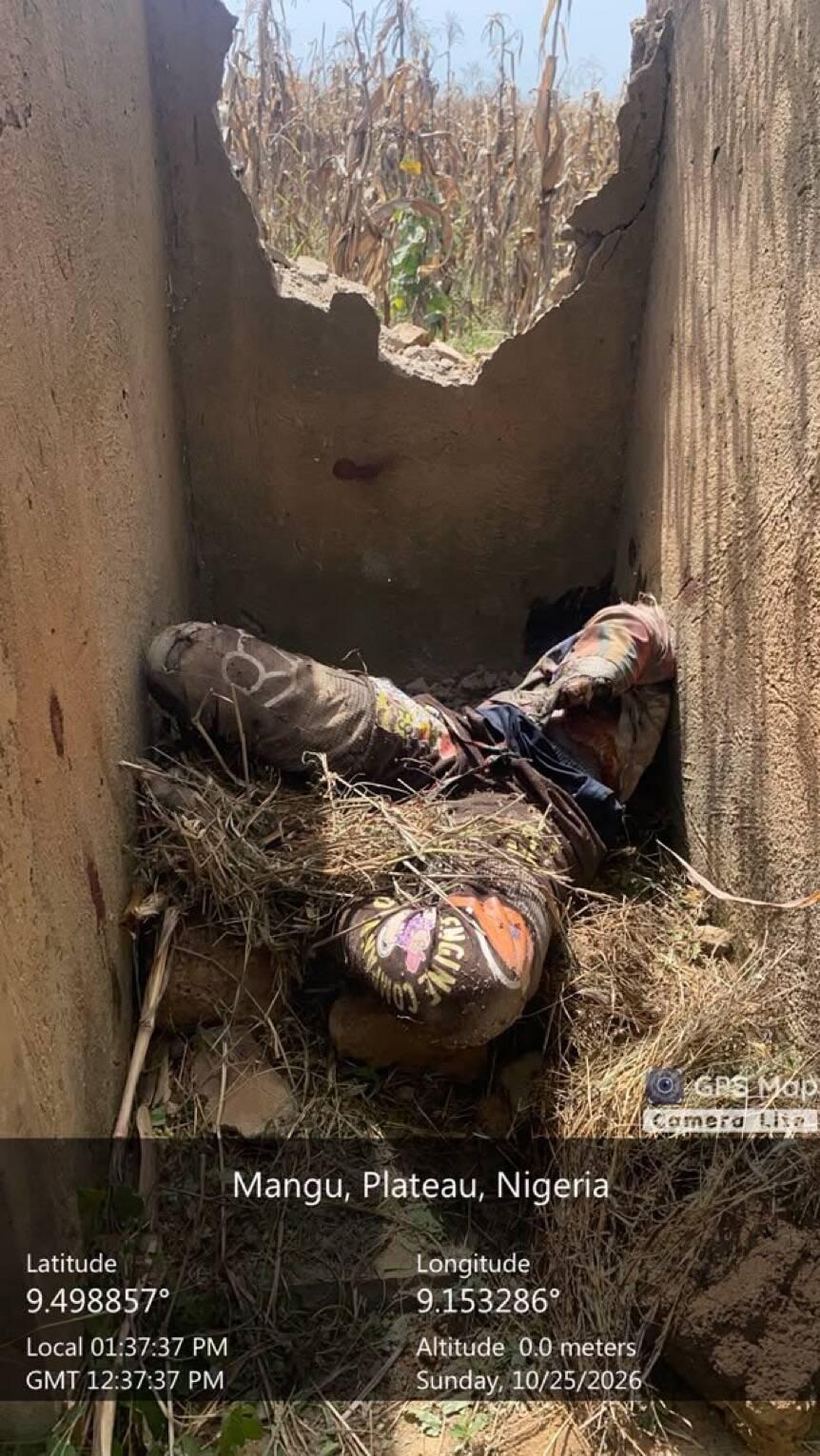
The victim, identified as Umar Jibril Jafar, was reportedly ambushed and killed along the Lamor–Gohotkung road on October 27, 2026, while travelling towards Jennaret Market.
According to the account provided by a surviving passenger, the attackers were suspected Mwaghavul militia members, one of whom was identified as Karfe, allegedly associated with a local vigilante group in Pushit District.
However, the subsequent arrest of the suspect and the reported emergence of women in large numbers to protest his detention have brought into focus a troubling question: Why does the arrest of an individual suspected of killing an innocent person so often become an occasion for communal mobilisation rather than an opportunity to demand justice for the victim?
The development in Maraban Pushit is particularly disturbing because it comes against the background of recurring violence involving farming and herding communities in Mangu and other parts of Plateau State.
When a person is accused of killing another human being, the appropriate response should be to allow security agencies to investigate, establish the facts and determine the person's culpability through the judicial process.
Instead, there are growing concerns that in some communities, the moment a suspected perpetrator is arrested, sections of the population immediately mobilise, block roads and harass security forces to demand his release. The circumstances of the alleged crime, the identity of the victim and the suffering of the victim's family appear to become secondary considerations.
The central concern is no longer whether an innocent person was killed, but whether the arrested individual belongs to the community and whether his detention can be challenged through collective pressure.
This is precisely the kind of mentality that undermines the fight against criminality.
A community cannot demand security for itself while refusing to acknowledge the suffering of innocent people allegedly victimised by individuals within its own ranks.
If the suspect is innocent, the investigation and judicial process will establish that.
If he is guilty, no amount of communal mobilisation should be allowed to shield him from the consequences of his actions.
The most disturbing aspect of the unfolding situation is the possibility that the killing of Umar Jibril Jafar could become overshadowed by the controversy surrounding the arrest of the suspected assailant.
The deceased was reportedly travelling with a woman towards Jennaret Market when they were ambushed. He was a human being with a family, a livelihood and people who depended on him. His death deserves justice.
The surviving passenger reportedly told security personnel that the attackers spared her after she pleaded for her life. That account, alongside other available evidence, must be carefully investigated.
Yet, as the arrest of the suspect reportedly triggered a demonstration, the fundamental question remains whether the same level of mobilisation would have occurred if the victim had belonged to the community now demanding the suspect's release.
Would women have taken to the streets in similar numbers to demand justice for a murdered herder?
Would the community have mobilised against the alleged perpetrators if the victim had been one of its own?
These are uncomfortable questions, but they are necessary if Plateau State is to move beyond the cycle of violence and mutual suspicion.
The larger community must also understand that the right to protest does not translate into a collective right to demand impunity for an accused person. No individual should be considered untouchable simply because he belongs to a particular ethnic, religious or communal group.
Communities must stop treating the suffering of others as an issue that concerns only the victims' ethnic or religious group. A murder remains a murder regardless of the identity of the perpetrator or the victim. The same law must apply to everybody.
The true test of a community's commitment to peace is not how loudly it mobilises to protect one of its own, but whether it is willing to demand justice when one of its own is accused of taking an innocent life.
Until that principle is embraced, communal solidarity risks becoming a shield for criminality, and the victims of violence will continue to pay the price.