Military Air Assets Decimate Terrorist Convoy, Neutralize Scores of Fighters in Coordinated Air Offensive Near Cross Kauwa
By: Zagazola Makama
The Nigerian Military, operating under the Air Component of Operation Hadin Kai (OPHK), has recorded another significant operational success against ISWAP terrorists following a series of coordinated intelligence, surveillance, reconnaissance (ISR), and precision air interdiction missions around Cross Kauwa and Ali Sherifti in northern Borno State.
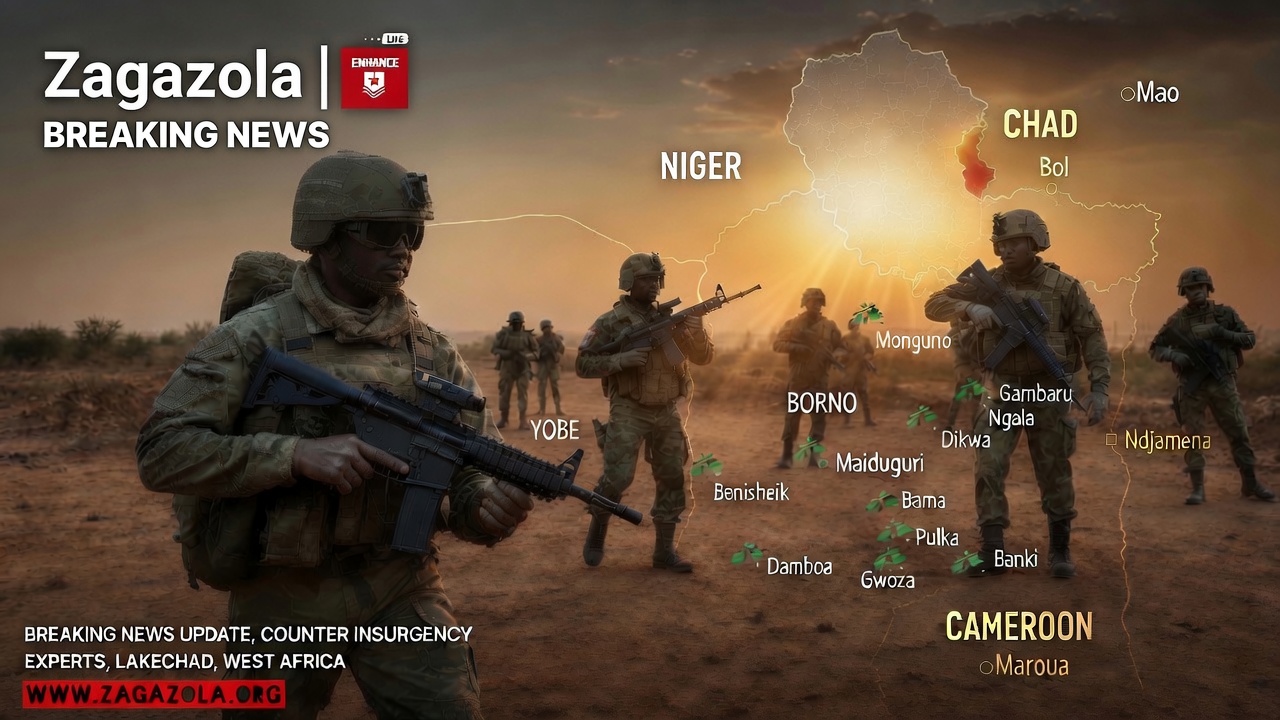
Zagazola Makama learnt that the operation dealt a devastating blow to terrorist logistics and fighting capabilities, resulting in the destruction of multiple vehicles and the neutralisation of several insurgents attempting to regroup within the Lake Chad axis.
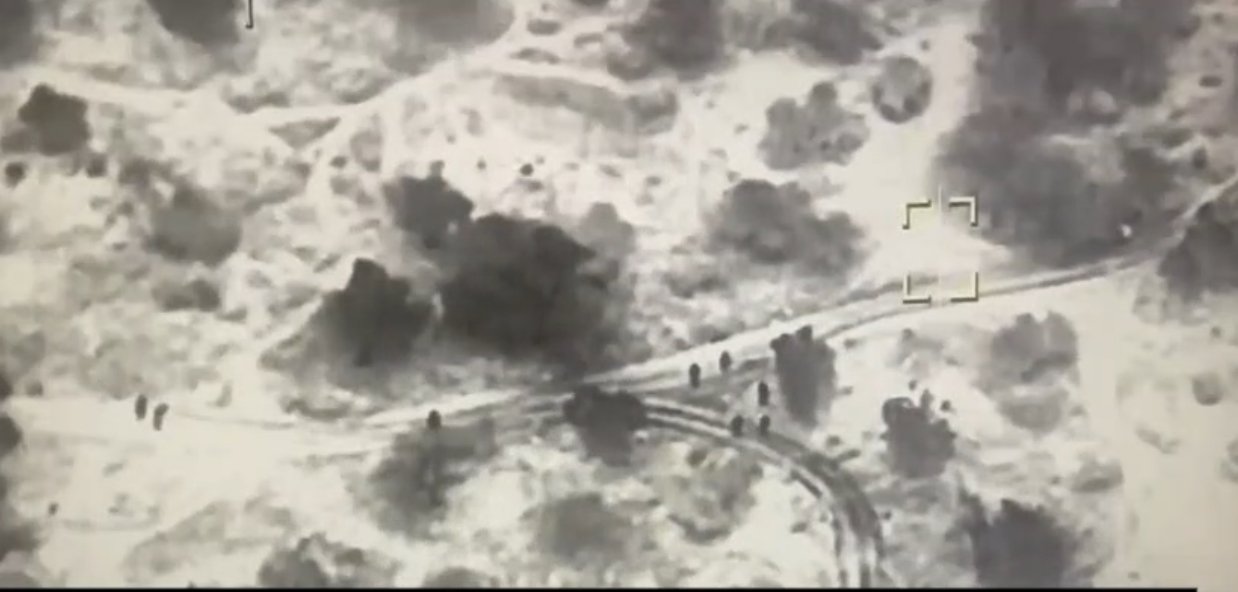
Sources said the mission commenced late on June 6 when an ISR platform established surveillance over a suspected terrorist hideout at Cross Kauwa, located along a network of tracks concealed within dense vegetation and scattered tree cover. Intelligence-driven reconnaissance revealed a significant concentration of terrorist activity in the area.
Military sources disclosed that during the surveillance mission, operators positively identified approximately 12 vehicles concealed beneath trees and observed the movement of suspected terrorists attempting to evade aerial detection by moving between cover positions.
The discovery pointed to what appeared to be a major terrorist staging area used for logistics, movement coordination, and possible attack planning.
Following confirmation of hostile activity and authorisation from theatre command authorities, a strike aircraft executed a precision attack against a cluster of vehicles within the hideout. The munition struck with remarkable accuracy, resulting in direct hits on four vehicles.
Almost immediately, flames engulfed the targeted vehicles while terrorists were seen fleeing in different directions in a desperate attempt to escape the destruction. Real-time battle damage assessment indicated that the strike had achieved its intended effect, disrupting enemy activities and creating confusion among the insurgents.
As surveillance continued, additional terrorist movements were observed around the target area. Three vehicles attempted to withdraw from the location while several fighters sought cover beneath nearby trees. Despite the initial strike, intelligence indicated that a number of terrorists remained within the vicinity, prompting commanders to prepare follow-on engagements.
Maintaining constant observation of the battlefield, two air platforms coordinated closely to exploit the developing situation and prevent the terrorists from regrouping or escaping.
At first light, the air assets established overhead coverage around the Ali Sherifti general area after receiving intelligence concerning the movement of ISWAP terrorists suspected of preparing attacks against nearby communities.
Using advanced surveillance capabilities, the aircraft located a group of eight terrorists concealed beneath a tree. The platform carefully tracked their activities and confirmed their hostile disposition before executing a precision strike.
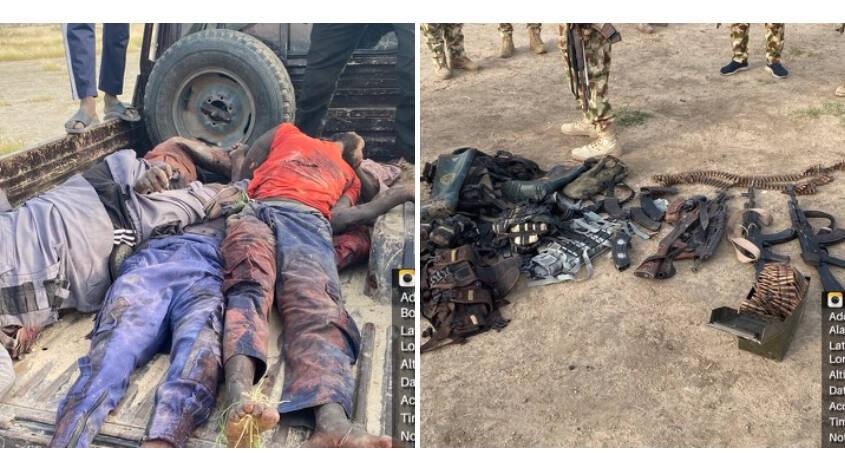
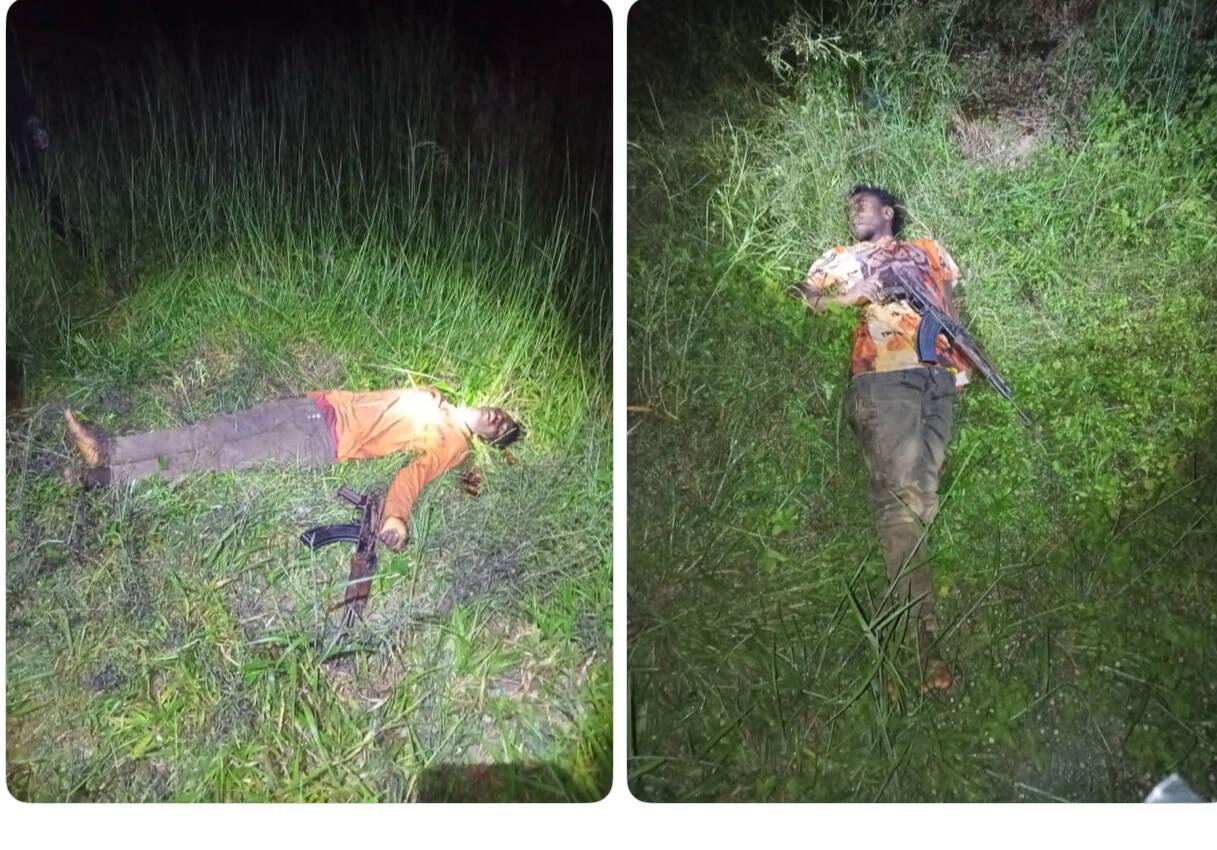
Moments before weapon release, three terrorists were observed leaving the immediate area. Nevertheless, the strike accurately impacted the target position, neutralising five terrorists. Subsequent battle damage assessment showed no further movement from the strike point, while surviving insurgents in surrounding areas were seen fleeing in panic.
Determined to capitalise on the success, the aircraft continued surveillance and soon identified four additional terrorists moving toward a vehicle hidden beneath tree cover. Recognising an opportunity to eliminate both personnel and mobility assets, the crew executed a follow-up precision strike.
The attack successfully eliminated all four terrorists and completely destroyed the concealed vehicle. The vehicle immediately burst into flames following the strike, with no signs of movement detected thereafter.
Meanwhile, the aircraft continued monitoring the Cross Kauwa target area, observing approximately 10 terrorists attempting to regroup roughly 250 metres south of the initial strike location. Several vehicles remained dispersed under tree cover, indicating residual enemy presence.
Military sources noted that the operation demonstrated the increasing effectiveness of intelligence-led air power in counter-terrorism operations. The rapid detection, identification, tracking and engagement of hostile targets underscored the growing synergy between ISR platforms and strike aircraft operating under Operation Hadin Kai.
The destruction of multiple vehicles is particularly significant, as terrorist groups operating within the Lake Chad Basin rely heavily on mobility assets for logistics resupply, troop movement, raids on civilian communities and attacks against military formations. The loss of these assets is expected to constrain their operational reach and reduce their ability to conduct coordinated attacks.
The latest strikes form part of a sustained air campaign aimed at dismantling terrorist enclaves, disrupting command and logistics networks, and supporting ground forces conducting clearance and stabilisation operations across the North-East theatre.
As Operation Hadin Kai continues to intensify pressure on insurgent strongholds, the military said it remains committed to denying terrorists freedom of movement and restoring lasting peace to affected communities.