The Blood We Have Normalised
By U.K. Umar
It happens in many parts of Nigeria, particularly across the North-West and North-Central, but I write this from the perspective of someone who has spent considerable time on the frontlines in Plateau and Benue States. I have walked through communities still smelling of burnt homes. I have spoken with soldiers who had barely returned from operations before heading out again. I have sat with grieving families whose only crime was waking up on the wrong side of an endless cycle of violence. The stories differ only in names and locations. The pain is identical.
Almost every week, another community buries its dead. Men, women and children are killed in attacks and reprisal attacks, many hacked to death in ways that defy human conscience. Yet the official response has become painfully predictable. Government condemns the killings. Officials promise that perpetrators will be brought to justice. Security agencies launch investigations. Then everyone waits until the next massacre. We have repeated this script for years while the cemeteries continue to expand.
What worries me even more is that much of the country seems to have adjusted to this reality. It is as though the killings in Plateau, Benue, Zamfara, Katsina, Sokoto or parts of Kebbi have become distant headlines rather than a national emergency. But all is not well with Nigeria. Not even close. A nation that becomes comfortable with burying dozens of its citizens every other week is a nation slowly losing its collective humanity.
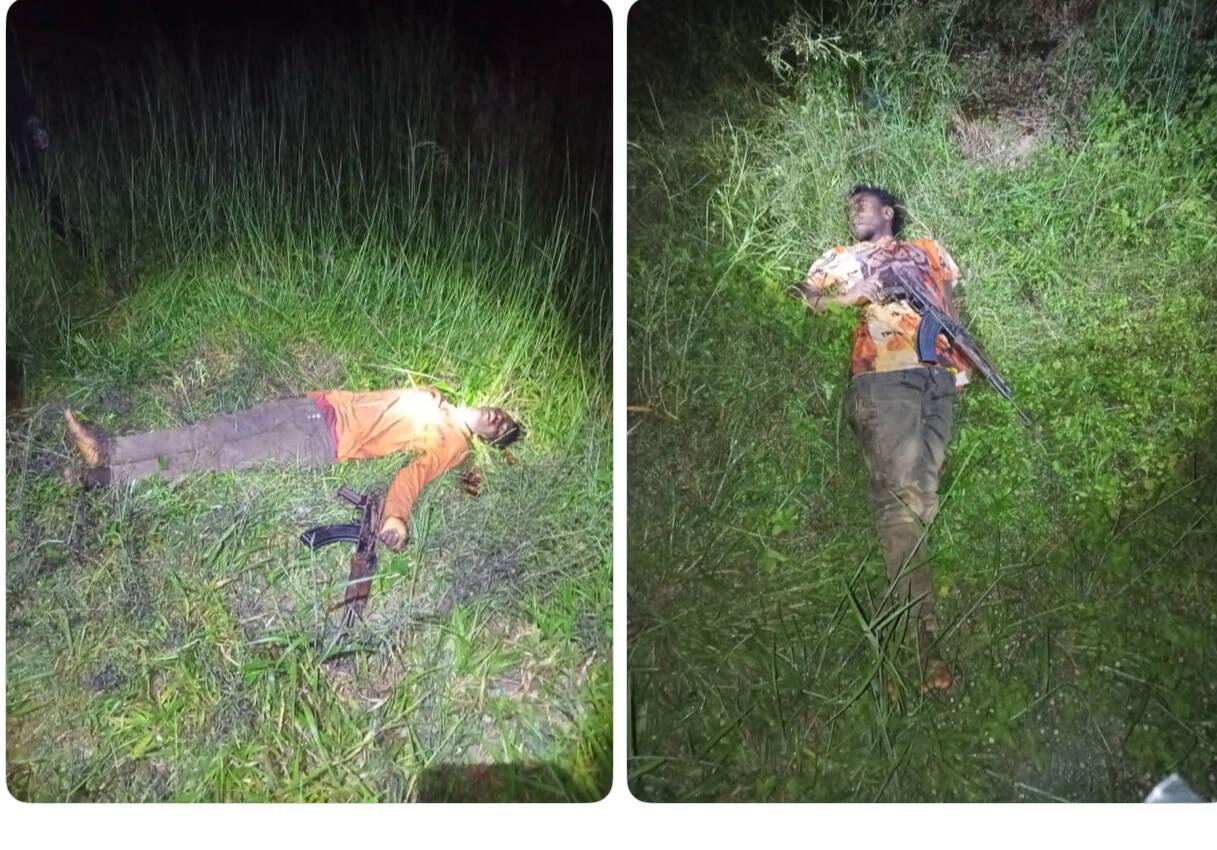
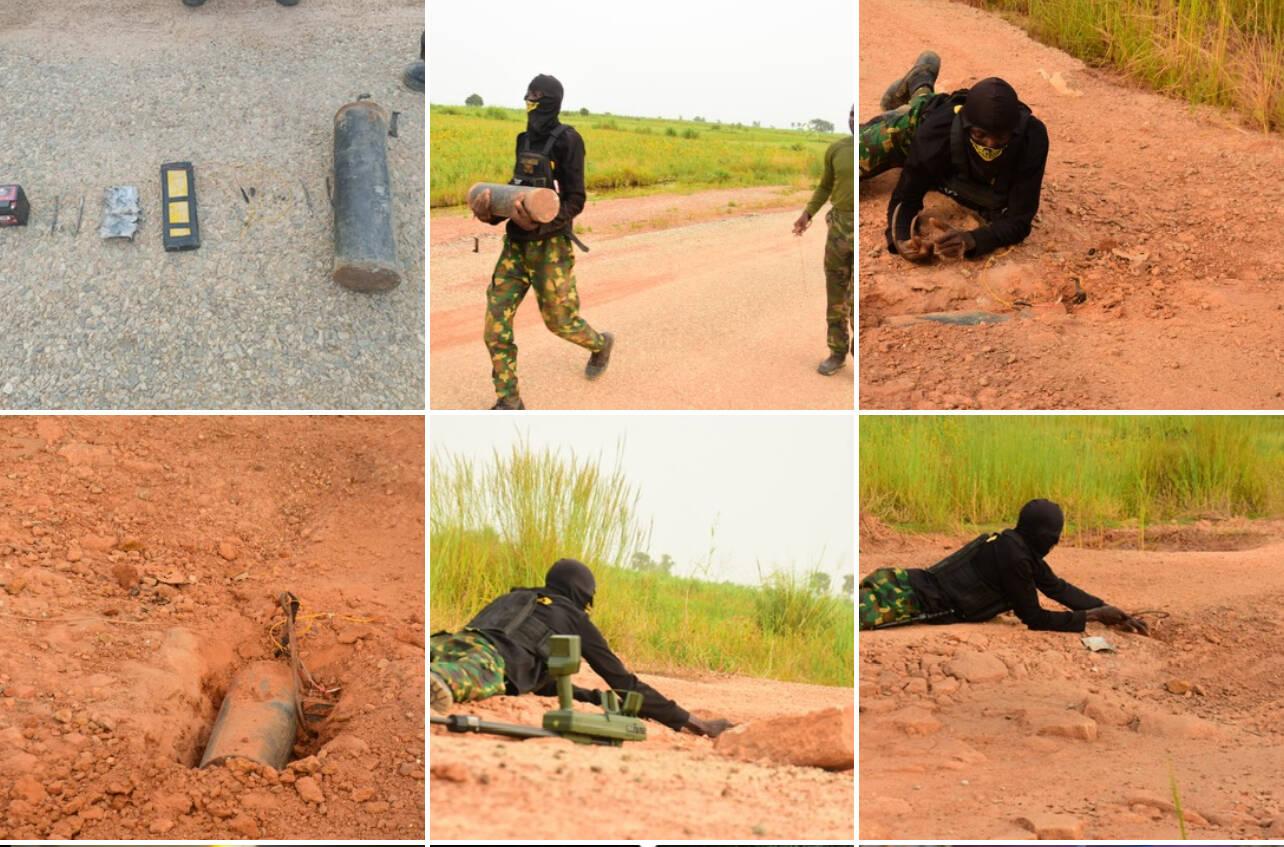
In the past few weeks alone, we have witnessed renewed violence around the National Institute for Policy and Strategic Studies (NIPSS) in Kuru, Plateau State. Security forces have had to repel repeated attacks targeting one of the country's foremost strategic institutions. Before that came attacks around Vom, deadly assaults on security personnel, and fresh recoveries of military weapons stolen from fallen soldiers. Across the border in Benue State, communities continue to count their dead after successive attacks, with entire settlements displaced and livelihoods destroyed. These are not isolated incidents. They are symptoms of a much deeper crisis.
Having recently visited military formations in both Plateau and Benue States, one truth became impossible to ignore. The Nigerian Armed Forces are carrying a burden that no military alone can solve. I met exhausted officers and soldiers who spend weeks away from their families, operating under difficult terrain and enormous psychological pressure. Many have paid the ultimate price. Others continue to fight despite losing colleagues in brutal ambushes. Their sacrifices deserve recognition, not constant vilification.
But another truth also confronted me.
In community after community, I found fear. I found anger. I found suspicion. Most painfully, I found a hatred that has become deeply entrenched between many indigenous farming communities and Fulani pastoralists. It is a hatred born from years of killings, displacement, cattle rustling, destruction of farms, revenge attacks and mutual distrust. Both sides have suffered losses that cannot simply be measured in statistics. Every family seems to have a story of someone murdered, displaced or permanently scarred.
That reality makes peace infinitely harder.
When grief is inherited from one generation to another, revenge begins to masquerade as justice. Every fresh attack becomes justification for another reprisal. Every funeral plants the seeds for another burial.
This is why simplistic narratives do not help.
Reducing the crisis to farmers versus herders, Christians versus Muslims, or indigenes versus settlers ignores the complex web of criminality, historical grievances and political failures that sustain the violence. Criminals exploit genuine community fears. Communities, in turn, increasingly shield criminals whom they perceive as protectors of their own people.
Perhaps one of my biggest observations from these visits is the alarming proliferation of arms in civilian hands. There are simply too many sophisticated weapons circulating among non-state actors. These weapons are not manufactured in villages. They arrive through organised trafficking networks and remain hidden within communities.
Unfortunately, many community members know who possesses these arms. They know who participates in attacks. They know who provides logistics and intelligence. Yet they remain silent, often out of fear, ethnic loyalty or expectation of future retaliation. That silence has become one of the greatest obstacles confronting security agencies.
No intelligence operation can succeed where communities refuse to cooperate.
Equally disturbing is the conduct of some political and community leaders whose public utterances sometimes amount to subtle calls to arms. In moments that demand restraint, they choose inflammatory rhetoric. They cast security forces as enemies rather than partners. They reinforce ethnic victimhood while carefully avoiding any condemnation of criminals operating within their own constituencies.
Words matter.
Every careless speech delivered from a podium has consequences in villages where emotions already run dangerously high. Every attempt to delegitimise the military without evidence weakens public confidence and emboldens armed groups.
This is not to suggest that the Armed Forces are infallible. Like every human institution, mistakes occur. Allegations of misconduct should always be investigated transparently and professionally. But there is an important distinction between demanding accountability and deliberately undermining the very institution standing between communities and complete anarchy.
The military can only do so much.
The larger solution sits on the tables of elected leaders—from the President to state governors and local government authorities. They alone possess the constitutional powers to drive coordinated political, economic and social interventions capable of addressing the roots of these conflicts.
Security operations must continue with greater intelligence support and improved inter-agency coordination. But security alone cannot heal communities where trust has collapsed.
Justice must be impartial.
Compensation must not depend on ethnicity.
Prosecution must not depend on political convenience.
Victims deserve equal recognition regardless of whether they are farmers or herders, Christians or Muslims, indigenes or settlers.
Government must reward those who choose peace and punish those who profit from violence without fear or favour. Anything less simply reinforces the perception that violence works.
The country also needs an aggressive programme for arms recovery, community reconciliation, youth engagement and economic revitalisation in the affected areas. Entire generations are growing up knowing nothing except conflict. That should frighten every Nigerian.
Nigeria cannot continue to normalise mass burials.
We cannot continue issuing statements while villages disappear.
We cannot continue allowing children to inherit hatred as though it were family property.
The bloodshed in Plateau and Benue is not just their tragedy. It is Nigeria's tragedy.
History will not judge us by the number of condolence messages we issued. It will judge us by whether we found the courage to stop the killing while there was still a country united enough to save.