Troops neutralise 85 bandits, rescue 283 hostages as 1 Brigade intensifies operations in Zamfara
By Zagazola Makama
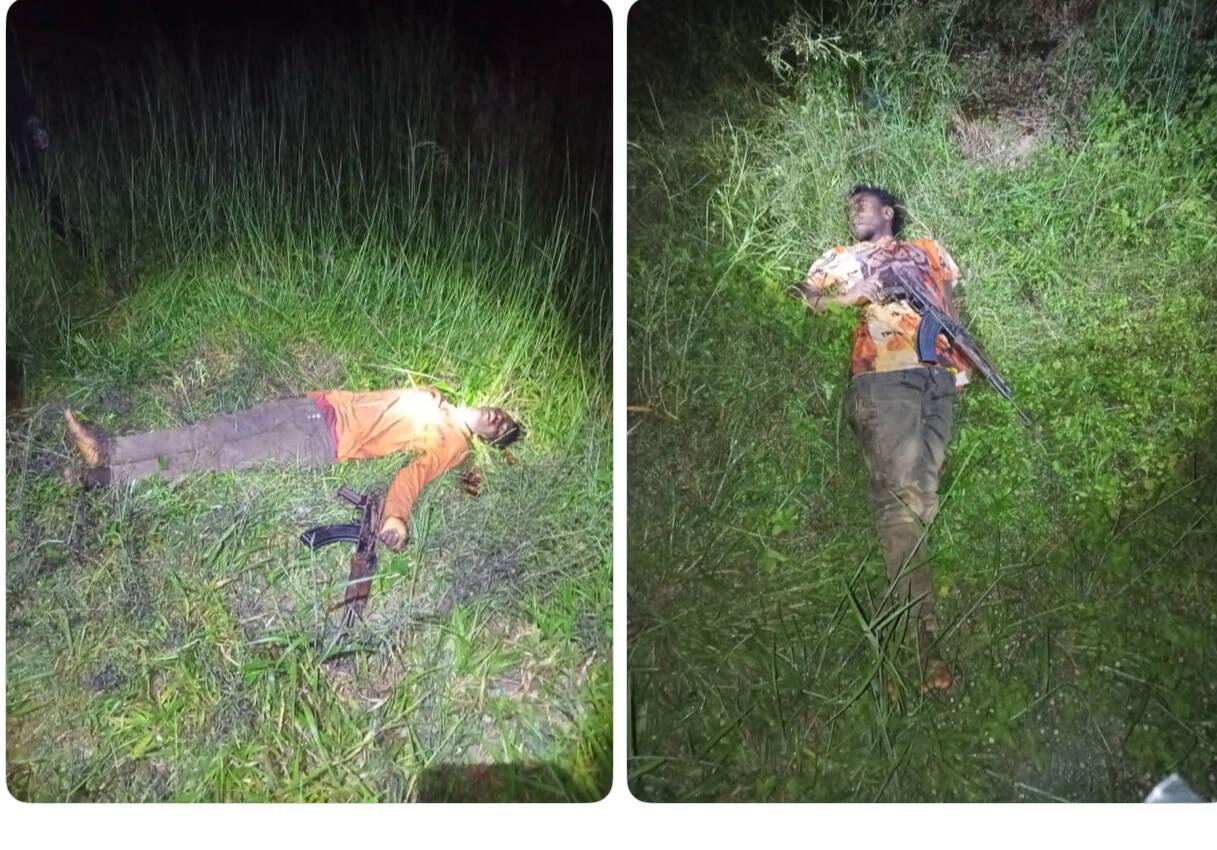
The Headquarters 1 Brigade, Nigerian Army, has recorded significant operational successes in its ongoing counter-banditry campaign in Zamfara State, neutralising 85 bandits, rescuing 283 kidnapped victims, recovering a large cache of weapons and destroying several terrorist camps through sustained intelligence-driven operations.
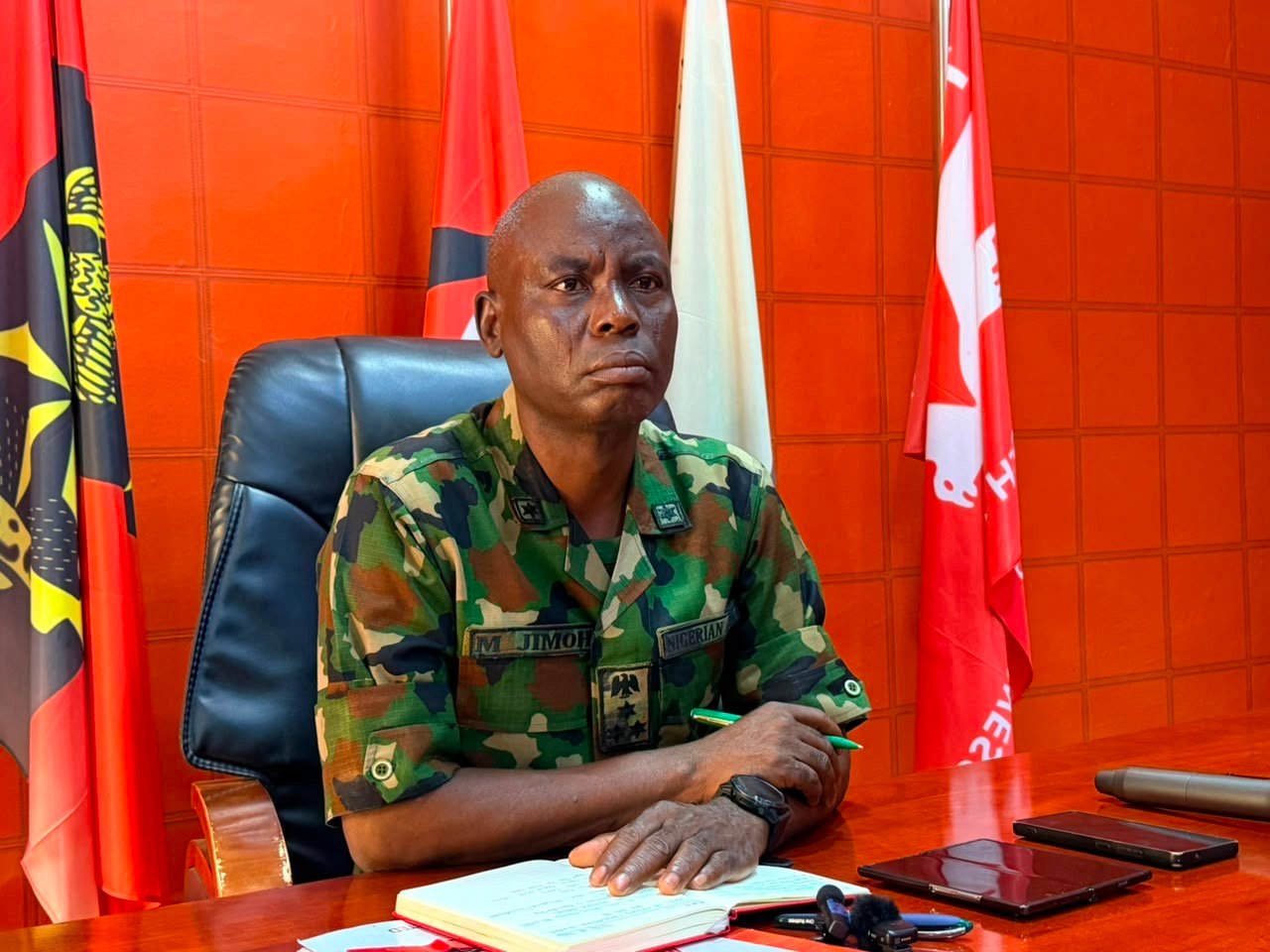
The Brigade Commander, Brig.-Gen. Mustapha Jimoh, disclosed the achievements during an operational briefing, saying the successes were recorded through coordinated kinetic and non-kinetic operations conducted across the brigade’s Area of Responsibility (AOR).
Jimoh said the operations had significantly degraded the operational capability of armed groups operating in Zamfara State, while improving security for residents, farmers and commuters.
He explained that banditry in the North-West, particularly in Zamfara, had evolved over the years from isolated criminal activities such as cattle rustling into organised violent networks engaged in kidnapping for ransom, attacks on communities, highway ambushes, destruction of public infrastructure and attacks against security personnel.
According to him, the proliferation of illicit small arms and light weapons, weak governance in remote communities and the exploitation of expansive forest reserves enabled criminal groups to establish strongholds and expand their operational reach.
He noted that from about 2011, armed groups became increasingly organised, establishing camps within the expansive forests of Kuyambana, Kagara, Kamuku and Gungu, which served as operational bases and mobility corridors for criminal activities.
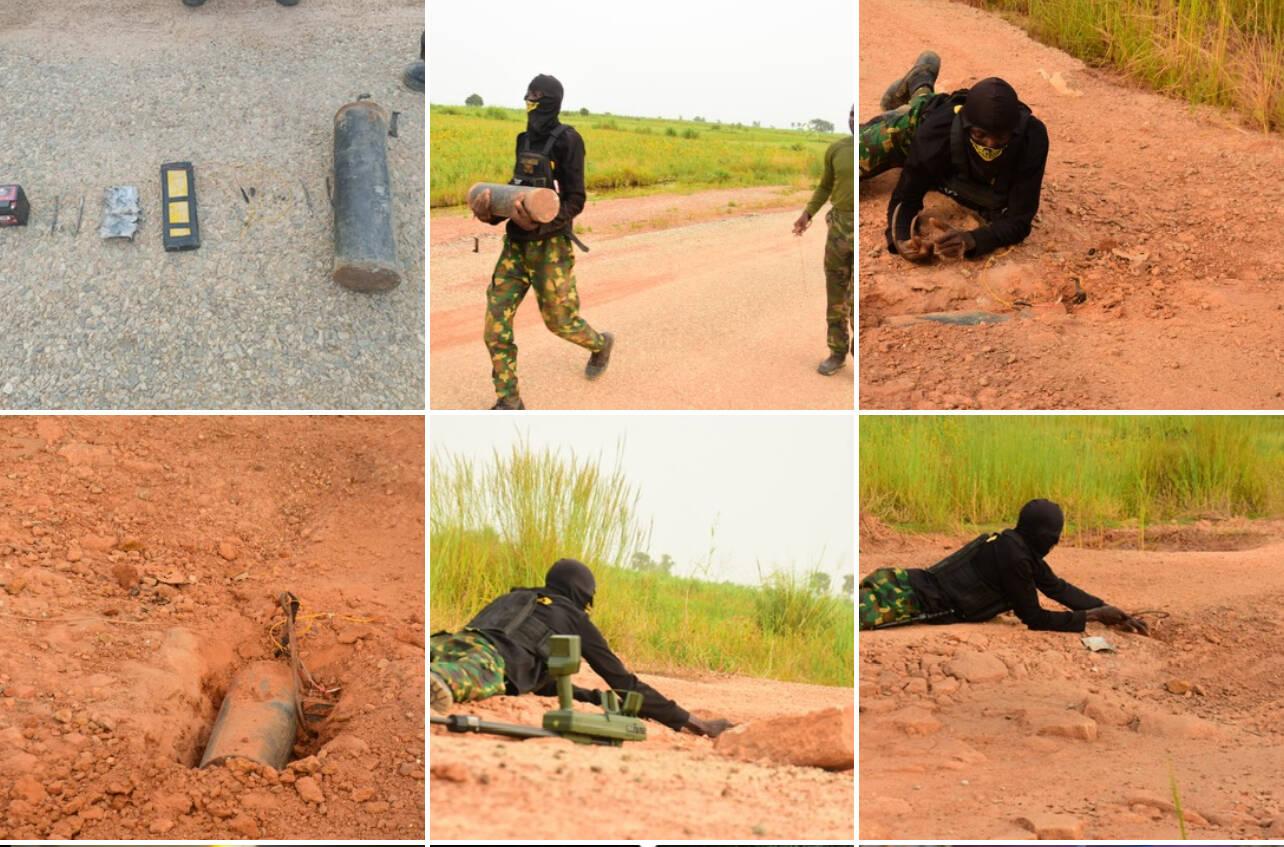
“As the security situation deteriorated, some of these criminal groups adopted tactics commonly associated with terrorist organisations, including coordinated attacks on communities, the use of improvised explosive devices, sophisticated weapons and deliberate intimidation of civilian populations,” Jimoh said.
The Brigade Commander noted that the Federal Government subsequently intensified military operations and designated several of the armed groups as terrorist organisations under Nigerian law, providing a stronger legal and operational framework for confronting the threats.
He said Zamfara remains one of the country’s major security flashpoints because of its strategic location, vast forested terrain and proximity to neighbouring states, which criminal elements continue to exploit for movement, logistics and concealment.
According to him, the activities of the criminal groups have disrupted farming and commercial activities, displaced thousands of residents, destroyed livelihoods and threatened critical national infrastructure.
Jimoh said Headquarters 1 Brigade, in collaboration with other components of the Armed Forces, security agencies and relevant stakeholders, had sustained intelligence-led operations aimed at dismantling terrorist and bandit networks, destroying their camps, rescuing kidnapped victims, recovering arms and ammunition and restoring civil authority across affected communities.
He said the Brigade’s sustained operational efforts, enhanced inter-agency cooperation and robust civil-military engagements had continued to yield positive results despite the evolving security challenges.
Providing a breakdown of recent operational achievements, the Brigade Commander disclosed that troops neutralised 85 terrorists and bandits, while also recovering 144 motorcycles used by criminal elements for mobility, logistics and attacks.
He said the seizure of the motorcycles had significantly disrupted the operational capability and movement of the criminal groups across the theatre.
Jimoh further revealed that troops recovered a substantial cache of weapons, including 46 AK-47 rifles, one PKT machine gun, two General Purpose Machine Guns (GPMGs), three Rocket-Propelled Grenade (RPG) launchers, and six locally fabricated rifles.
He added that troops also recovered large quantities of ammunition, further weakening the firepower available to the criminal groups.
According to him, additional recoveries included 48 AK-47 magazines, one handgun magazine and one locally fabricated rifle magazine, significantly reducing the terrorists’ operational effectiveness.
In one of the most significant humanitarian outcomes of the operations, Jimoh disclosed that troops rescued 283 kidnapped victims, comprising women, children, students and other civilians held captive by criminal gangs.
He added that several rustled livestock recovered during operations had been returned to their rightful owners, helping affected families rebuild their livelihoods while restoring public confidence in security forces.
The Brigade Commander also disclosed that troops destroyed several terrorist camps, logistics bases and command hideouts during clearance operations, thereby denying criminal elements safe havens from which to launch attacks.
He noted that the Brigade had maintained sustained area domination through offensive clearance operations, fighting patrols, ambushes, long-range patrols, cordon-and-search operations and rapid response missions across identified flashpoints.
Jimoh explained that Headquarters 1 Brigade is responsible for military operations across Zamfara and Kebbi states, adding that while Kebbi remains relatively peaceful, Zamfara continues to experience persistent threats from banditry, kidnapping, cattle rustling and related violent crimes, particularly in the central and western senatorial districts.
To dominate the operational environment, he said the Brigade had established Forward Operating Bases (FOBs), combat locations, checkpoints and fighting patrols across vulnerable areas to ensure rapid response and sustained military presence.
The Brigade Commander described the operating environment as particularly challenging due to the vast forest reserves, rugged terrain and widely dispersed rural settlements, which provide concealment and mobility corridors for criminal elements.
Despite these challenges, he said sustained intelligence-led operations had considerably degraded the capabilities of armed groups, leading to improved freedom of movement for residents and safer conditions for farming, commerce and other socio-economic activities.
Jimoh assured that the Brigade would continue to intensify intelligence-driven offensive operations while strengthening collaboration with other security agencies and local communities to achieve lasting peace across Zamfara and Kebbi states.
“The evolving nature of the threat requires sustained military operations, credible intelligence, responsible media engagement and continuous support from local communities to achieve enduring peace and security,” he said.
He reaffirmed the Brigade’s commitment to protecting lives and property, restoring civil authority and creating a secure environment that would support sustainable socio-economic development across its area of responsibility.