Mwaghavul Militia Killed Three herders, Slaughter 36 cattle in unprovoked attack in Plateau
By: Zagazola Makama
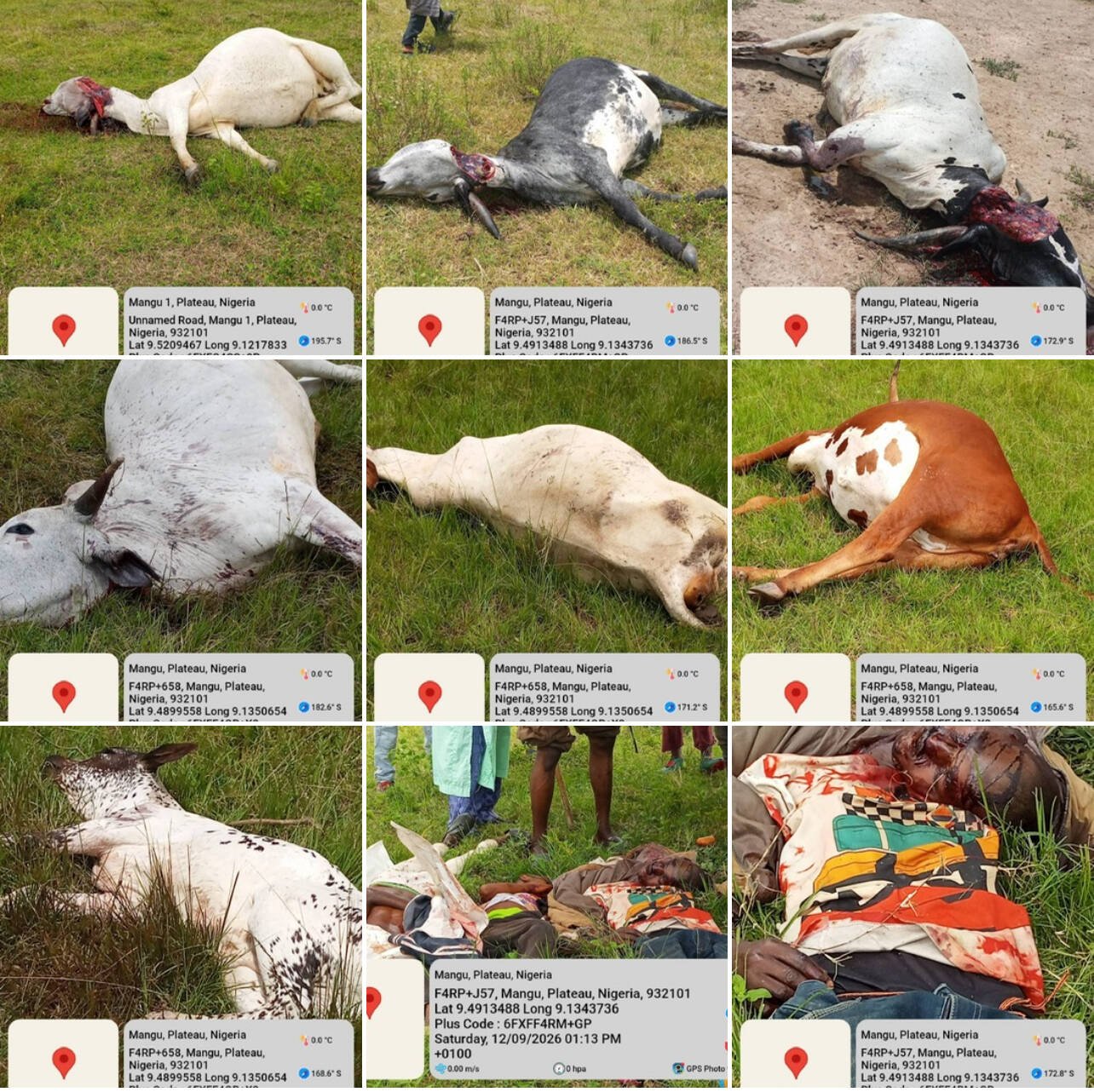
Three Fulani herders have been killed and two others reported missing after armed Mwaghavul Militia attacked a group of herders at Alohom community in Sabon Gari District of Mangu Local Government Area of Plateau State.
The attack, which occurred on Saturday, Sept. 12, also resulted in the deaths of 36 cattle, while 12 other cattle sustained gunshot wounds, according to a military situation report obtained by Zagazola Makama.
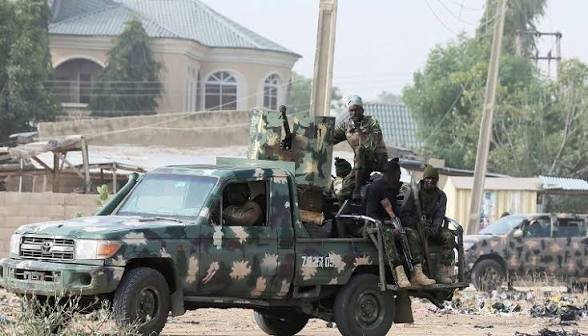
Troops of Sector 8, Operation Enduring Peace, were alerted after receiving information that herders grazing in the area had come under attack. Soldiers deployed from Sabon Gari immediately moved to the location and found the bodies of three herders.
Military sources said the victims had suffered fatal injuries, while the dead cattle were found with gunshot wounds. The surviving herders told troops that two other members of their group were missing, although efforts to establish their whereabouts were ongoing.
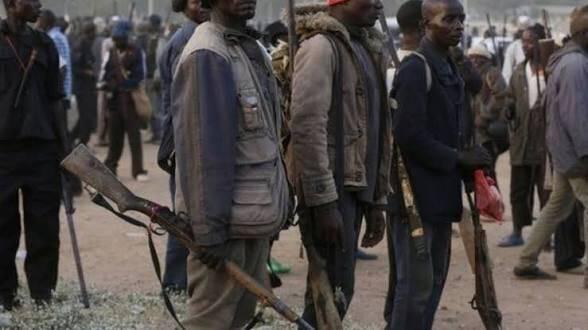
Some Fulani eyewitnesses alleged that the attackers were militia men suspected to be from the Mwaghavul ethnic group in Alohom, Gaude and Mangu Halle general areas.
There were also allegations from some Fulani bystanders that some security personnel from sister agency were sighted around the area during the incident without making efforts to prevent the gruesome killings.
Sources said the allegation was also being investigated. Empty tear-gas canisters were reportedly recovered from the scene, although their circumstances and connection to the attack had yet to be established.
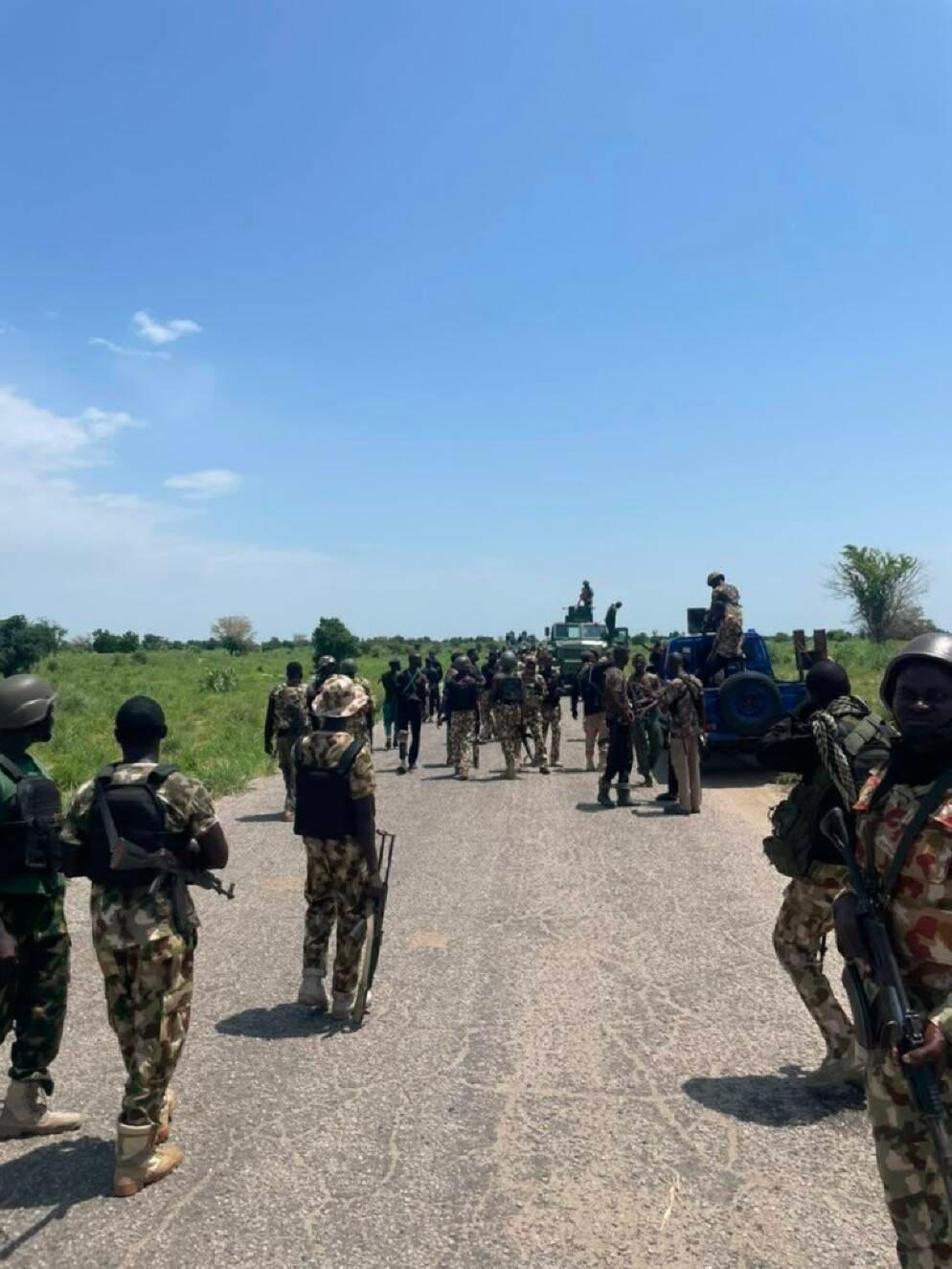
The incident has left the area tense, with troops conducting clearance patrols and dominating the general area to prevent further violence and identify those responsible.
A dangerous cycle
Security sources expressed concern that the attack could trigger the familiar cycle of reprisal violence between communities, particularly in an area where disputes and attacks involving herding communities have previously escalated rapidly.
The killing of three herders, the disappearance of two others and the destruction of livestock could fuel anger within the affected community, while any retaliatory attack could in turn produce fresh casualties.
The military has therefore warned the Fulani community against taking the law into its own hands, urging residents to allow constituted authorities to investigate the incident and bring those responsible to justice.
The situation demonstrates how attacks on civilians in Plateau can quickly move beyond the immediate victims, with the killing of people or livestock potentially provoking revenge attacks against other communities that had no direct involvement in the original incident.
The latest attack has also renewed concerns over what many affected communities perceive as selective condemnation of violence in Plateau State, particularly where victims are from the herder community.
For years, critics have accused The Plateau State Government, youth groups and advocacy platforms in Nigeria of responding more forcefully when attacks affect farming communities, while remaining comparatively muted when herders are killed, their cattle are attacked or their communities come under assault.
That perceived imbalance has become a source of deep resentment among herders and communities who argue that the value of a civilian life should not depend on ethnicity, religion or which community is accused of being the aggressor.
The danger in such selective outreach is that silence after one attack can become fuel for the next retaliation. When victims believe that authorities and influential voices will only speak when violence affects the other side, confidence in official channels weakens and the temptation to seek revenge outside the law grows.
Security officials have repeatedly warned that this cycle is particularly dangerous in Plateau, where a single killing can rapidly generate rumours, mobilise youths and provoke attacks against completely unrelated civilians.
Troops under Operation HARD KNOCK are continuing operations in the area to apprehend the perpetrators and prevent further escalation.
The military said its troops remain deployed across the general area to forestall any breakdown of law and order.