Buratai emphasizes on whole of society Approach to end insecurity
By: Zagazola Makama
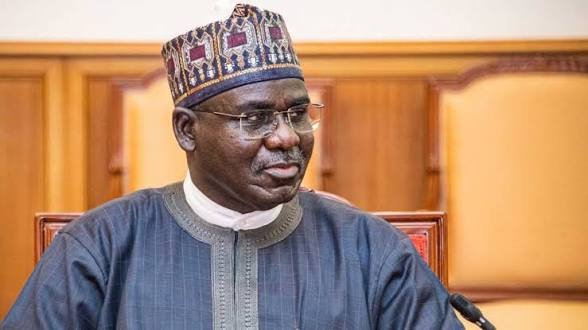
A former Chief of Army Staff, Lt.-Gen. Tukur Buratai (rtd), has renewed calls for a “whole-of-society approach” to tackle Nigeria’s lingering insecurity, warning that over-reliance on the military could undermine long-term stability.
Buratai, who spoke during an interview on Channels Television, said insurgency, particularly by groups such as Boko Haram, should not be seen as the sole responsibility of the armed forces.
He stressed that while the military had sustained operations across troubled regions, other critical institutions and stakeholders must complement these efforts through governance, development and social interventions.
The whole country is over-relying on the military,” he said, noting that multiple agencies and levels of government had defined roles in addressing insecurity.
Buratai recalled that Nigeria’s National Security Strategy 2019 Nigeria had already outlined a comprehensive framework involving economic, social and infrastructural measures, but questioned whether its implementation had been sustained over time.
According to him, defeating insurgency requires addressing underlying socio-economic challenges, including unemployment, poverty and lack of infrastructure, which he described as enablers of instability.
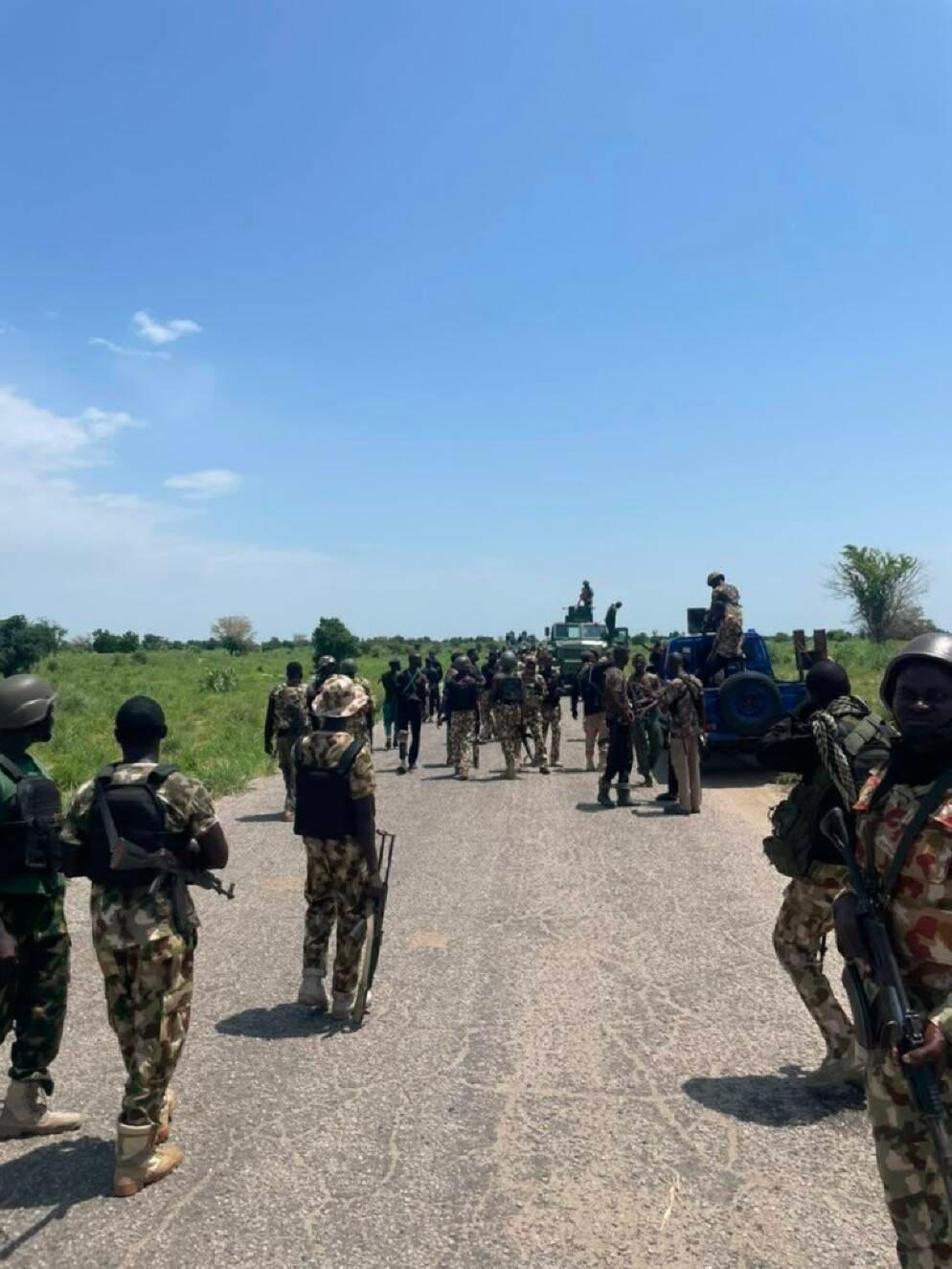
What he meant was that poor road networks in conflict zones was a major operational challenge, explaining that bad roads not only slow down troop movements but also expose them to threats such as improvised explosive devices (IEDs).
“In some instances, an operation that should take two hours could take up to five hours due to bad roads,” he said, adding that such delays create opportunities for insurgents to plant explosives and stage ambushes.
The former army chief emphasised that improving infrastructure, particularly road networks, would significantly enhance military efficiency and reduce vulnerabilities in the field.
He also called on state governments to play a more active role in addressing the root causes of insecurity by investing in youth development.
According to him, meaningful engagement of young people through employment, skills acquisition and economic empowerment is critical to preventing their recruitment into violent groups.
On the controversial issue of naming alleged financiers of terrorism, Buratai maintained that the focus should be on decisive action rather than public disclosure.
He explained that identifying and prosecuting such individuals falls within the mandate of relevant institutions, adding that intelligence reports and documentation already exist within government systems.
“It is not just about naming names; what is important is taking action,” he said, while expressing concern that some suspects linked to insurgent activities had yet to face prosecution.
Buratai reiterated that insecurity in Nigeria remains a complex challenge requiring sustained collaboration among the military, government institutions and the wider society.
He added that it was not too late for the country to fully implement the whole-of-society strategy to achieve lasting peace and stability.