
Dachomo's Dangerous Double Standards: When a Pastor Turns Security Operations Into a Religious Conspiracy
By: Zagazola Makama
There is a difference between a religious leader speaking for grieving communities and a self-appointed crusader deliberately turning every security incident into an opportunity to attack the Nigerian Army, inflame religious tensions and accuse the Federal Government of orchestrating killings without presenting credible evidence.
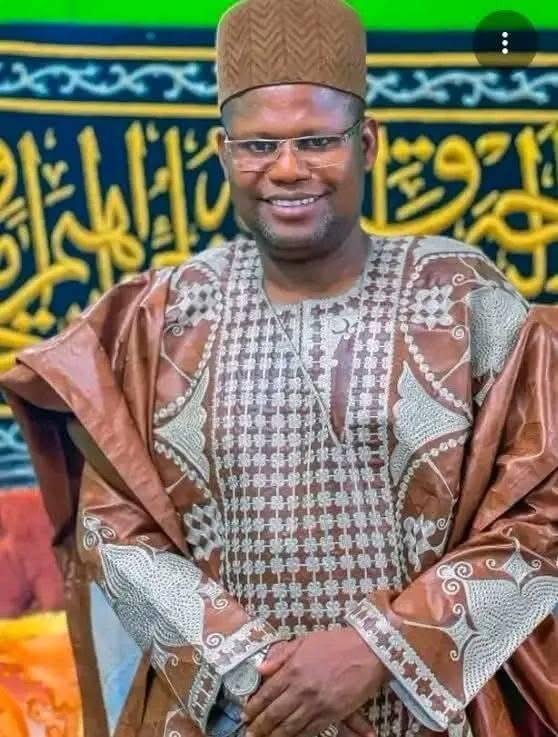
Reverend Ezekiel Bwede Dachomo appears to have crossed that line repeatedly, and his latest outburst following the Barkin Ladi incident is another disturbing example of how dangerous rhetoric can become when a man who claims to preach peace begins speaking as though an entire religious community is under siege by the state.
Dachomo spends hours accusing the Nigerian Army of complicity in the suffering of his people, yet suddenly discovers nothing worth condemning when members of his own community allegedly attack the Army and other security personnel performing their lawful duties.
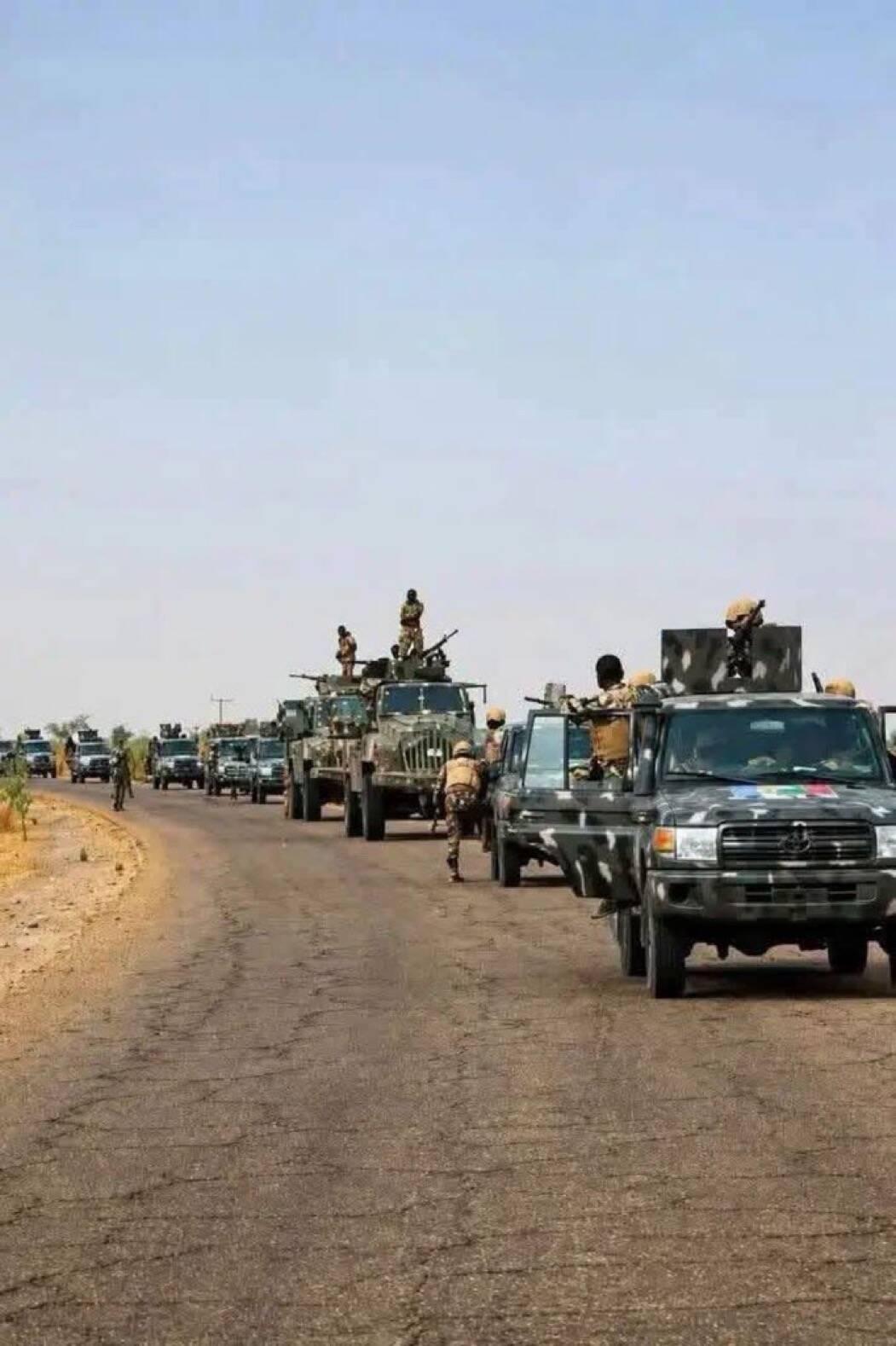
But what exactly does Dachomo want the Nigerian Army to do? When four people were reportedly killed at Angwan Sabo community in Barkin Ladi Local Government Area on October 29, troops of Operation Enduring Peace (OPEP) did not sit in their barracks, issue empty statements or wait for another tragedy to happen. The troops of Sector 4 launched a cordon-and-search operation at about 4:00 a.m. on October 31.
The troops reportedly encountered heavy firing from the Fass community upon arrival. During the engagement, two suspected criminals were neutralised, while a house went up in flames. The troops also apprehended one Abdulkadir and his group, who the military said were allegedly responsible for the killings. These are established facts which certainly do not support the sweeping FALSE narrative that the Nigerian Army is deliberately working to destroy Christian communities.
Dachomo made another extraordinary allegation accusing the Federal Government of being fully behind the killings in Plateau State without providing any evidence to back it up. This same man, in emotional theatrics, will praise the state governor, saying that he knows that his hands are full (full of what?).
If Dachomo possesses credible information showing that government officials are sponsoring violence, he should present it to the public. But simply standing before a crowd, blaming the Federal Government and portraying the military as an instrument of a religious agenda is dangerously misleading. He is trying to deepen hostilities, suspicion, inflame existing divisions and make the work of restoring peace more difficult for the troops in Plateau State.
Perhaps the most infuriating aspect of Dachomo's speech is his attempt to portray the Nigerian Army as an institution that only becomes active when it wants to implicate his people.
This is a reckless generalisation. Why is the arrest of a suspected murderer more worthy of his outrage than the alleged murder of the victim?
A peaceful Fulani elder was reportedly killed along the Jipun–Jennaret road. Security agencies subsequently arrested a suspected Mwaghavul militia member identified as Karfe, who was allegedly linked to the killing. Instead of allowing the investigation to proceed, Dachomo and his youth leaders conspirators mobilised protesters who reportedly took to the Jos–Mararaban Pushit–Pankshin highway, barricaded the road and demanded the release of the murderer.
They did not protest peacefully; they reportedly attacked soldiers and injured a mobile police personnel. According to security sources, troops of Operation Enduring Peace (OPEP) initially attempted to resolve the situation through dialogue, which failed. The protesters allegedly continued to assault security personnel, prompting the Commander of 236 Tank Battalion to lead the Sector 8 Quick Reaction Force to the location to restore traffic.
The troops reportedly removed the barricades, after which the protesters allegedly attacked security personnel with stones and other harmful objects.
In a similar incident , Lance Corporal Gbonogbe Mensewon of the Nigerian Army was again attacked by local residents in Bukuru town, Jos South Local Government Area of Plateau State, on October 29, 2026, at about 5:45 p.m. The soldier sustained machete wounds to his chest, stomach and head during the incident, while two civilians also suffered gunshot injuries.
This is the same kind of conduct that should have attracted immediate and unequivocal condemnation from every responsible religious leader in Plateau State. Yet Dachomo's public outrage appears to have been reserved for the military.
He wants the Army to explain itself when it arrests a suspect, but where is his condemnation when the Mwaghavul militia attacked and killed an innocent man? Why was he quiet when the protesters attacked the Army and other security personnel? That is the hypocrisy at the heart of this controversy.
When the Army does not respond on time due to the adverse terrain or bad roads, it is accused of abandonment. When it responds, it is accused of conspiracy. When it pursues criminal suspects, it is accused of persecution. When it stops the youths from unleashing terror on Fulani communities, they are accused of working with the Fulani terrorists. What exactly is the acceptable position?
The Nigerian Army is not a religious militia. It is a neutral and a responsible national institution operating in coordination with the authority of the state. Its personnel are deployed to protect lives, maintain security and apprehend criminals, regardless of their religion or ethnicity. Soldiers are not disposable instruments to be sent into dangerous communities without regard for their lives.
They are human beings operating in difficult circumstances, often facing armed resistance, intelligence limitations and the danger of being attacked by the very criminals they are pursuing.
It is legitimate to demand accountability from the military. It is equally legitimate to recognise that soldiers risk their lives in the execution of lawful duties. What is not legitimate is to deliberately misrepresent their operations simply because the outcome does not fit a preferred political or religious narrative.
A pastor should not turn the suffering of victims into a religious mobilisation campaign.
What kind of pastoral responsibility is being exercised when a religious leader tells fellow Christians that their political choices amount to selling their birthright? Nigeria is a constitutional democracy. Citizens have the right to support political candidates based on their convictions, interests and assessment of leadership.
A pastor may express his political opinion, but he has no authority to declare that Christians who disagree with him have betrayed their faith. The same applies to his allegations that the Federal Government is handing over states, villages and communities to Muslims. When he claims that the Federal Government is sponsoring killings, when he portrays the military as an instrument of religious persecution, and when he tells Christians that supporting a particular political arrangement makes them spiritually condemned, he is not merely expressing personal frustration.
He is contributing to a narrative that can deepen hostility, undermine public confidence in security institutions and make peaceful coexistence more difficult. The country's security challenges are real. Communities have suffered killings, displacement, destruction of property and prolonged insecurity. But the existence of these tragedies does not automatically validate every allegation made in their name.
A responsible religious leader should be encouraging peaceful coexistence. Unfortunately, Dachomo has repeatedly called for people to take up arms and go to war. Dachomo's rhetoric risks reducing this universal responsibility to a struggle between religious identities. That is precisely the kind of thinking that makes reconciliation more difficult and encourages communities to interpret every incident through the lens of collective religious victimhood.
The suffering of Christians must not be used to erase the suffering of Muslims, and the suffering of Muslims must not be used to dismiss the suffering of Christians. There is no justification for killing innocent people. There is no justification for displacement. There is no justification for retaliatory violence. And there is no justification for using the pulpit to encourage people to see an entire religious community as an enemy.
Dachomo must understand that his words have consequences.
A religious leader addressing a traumatised community has a responsibility to understand the weight of his words. He should be reminded that a pastor's responsibility is not to manufacture enemies. It is to encourage truth, justice, compassion and restraint.
The Nigerian Army is not the enemy of any religious community. The enemy is criminal violence, impunity, misinformation and the dangerous politics of collective blame.
And a man who claims to speak in the name of God should be the first to understand that truth cannot be sacrificed for political convenience.
Zagazola Makama is a Counter Insurgency Expert and Security Analyst in the Lake Chad Region.