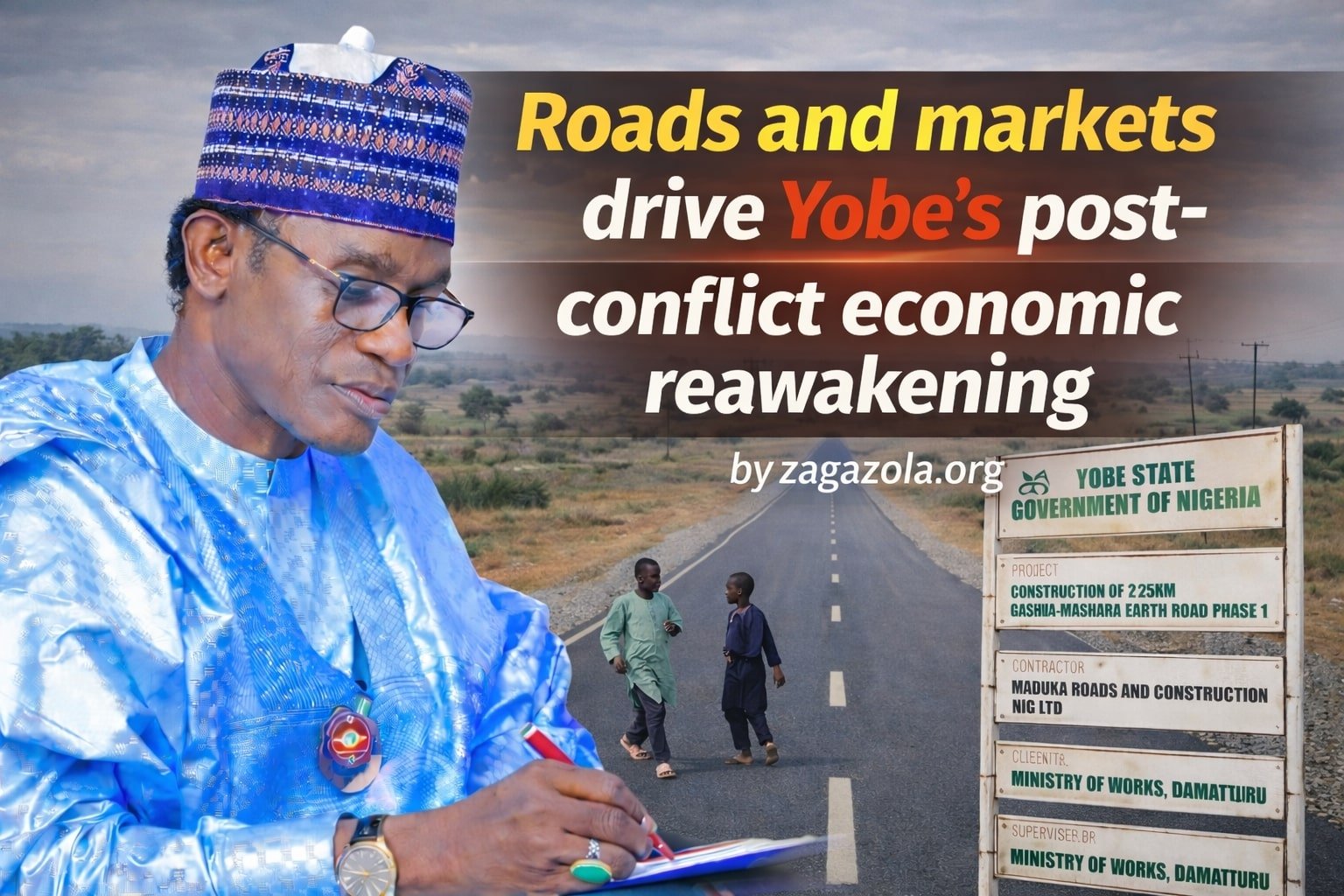
Roads and markets drive Yobe’s post-conflict economic reawakening
By: Zagazola Makama
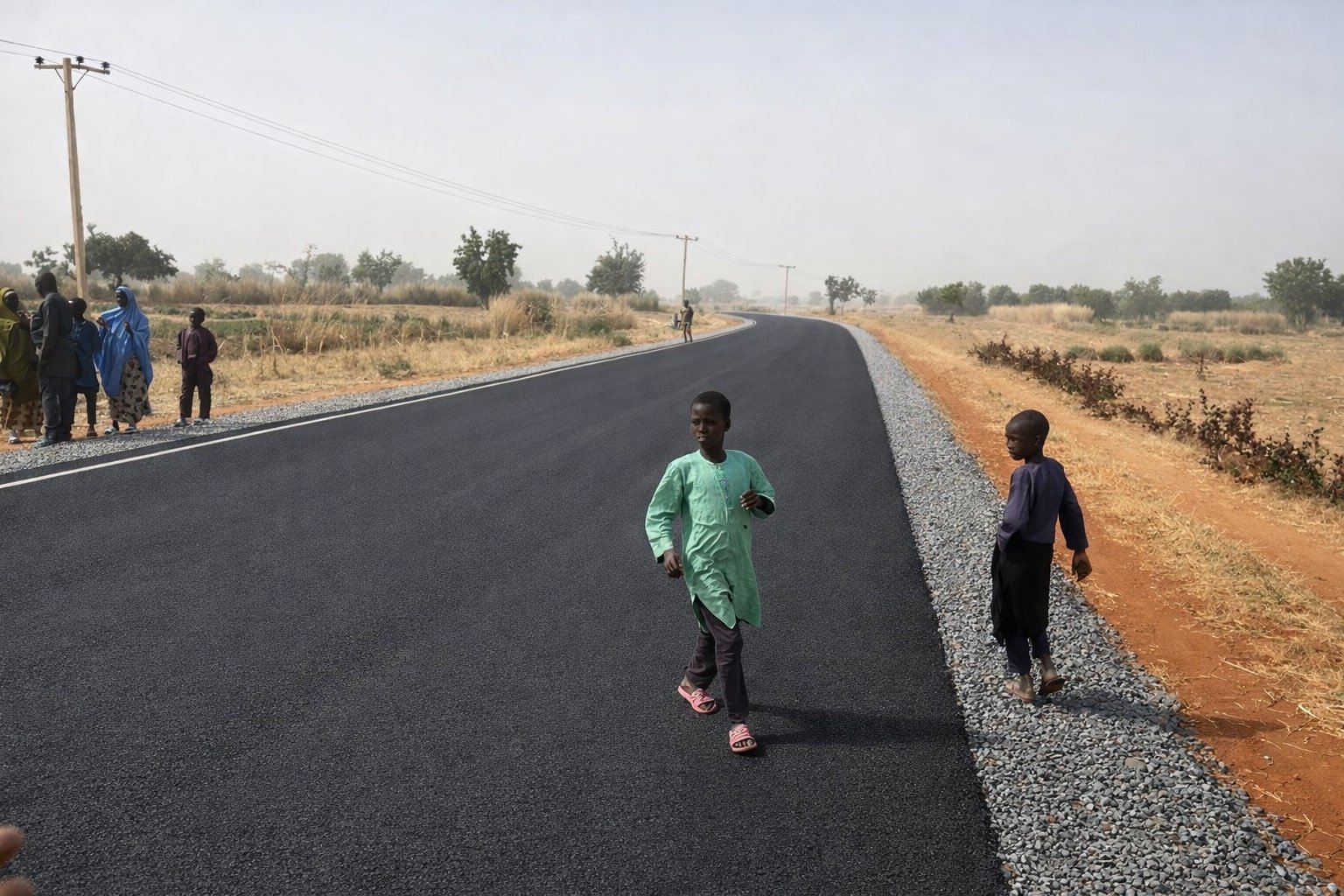
The nearing completion of the Gashua–Masaba Road alongside the opening of nine new modern markets across Yobe State points to a deliberate and coordinated development strategy aimed at unlocking economic recovery, deepening inclusion and repositioning the state as a viable commercial hub in the North-East.
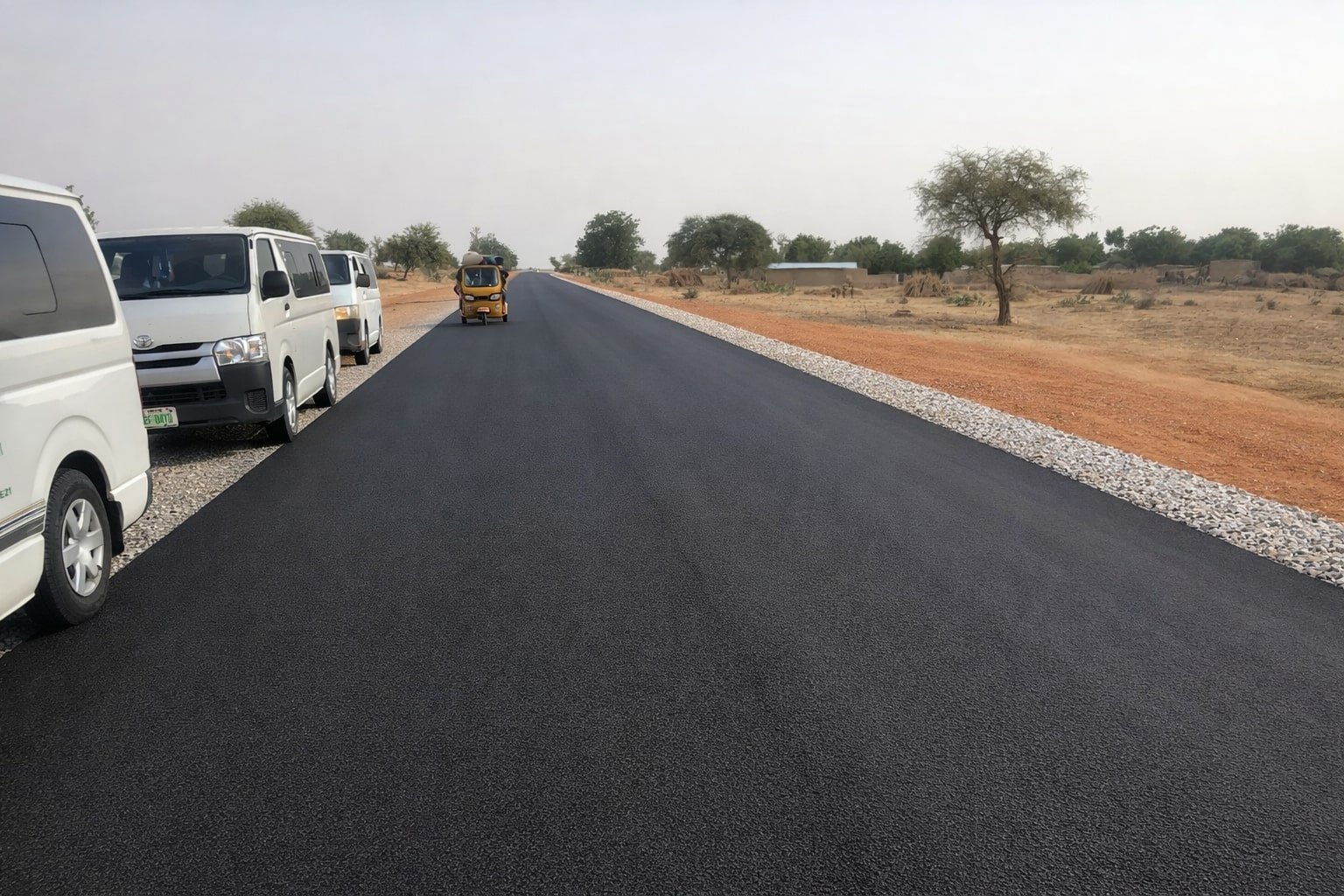
Individually, both projects address long-standing infrastructure gaps; taken together, they reflect a broader policy logic that links mobility to markets and access to opportunity. For a state emerging from years of insurgency-induced isolation, the convergence of road and market infrastructure represents a critical turning point.
The 25-kilometre Gashua–Masaba Road, valued at N4.4 billion and scheduled for completion by November 2026, is designed to connect 14 largely rural communities to major trading centres. Engineer Kabir Muhammad, who oversees the project, said the semi-arid earth road would link Gashua and Masaba with neighbouring towns such as Gadene and Dumburi, opening up areas that have historically suffered from poor access.

From an economic perspective, the road’s importance lies in its ability to reduce transaction costs for farmers and traders. In agrarian communities where produce often spoils due to lack of access to markets, improved connectivity directly translates into higher incomes, food security and stronger local economies.
Commissioner for Home Affairs, Information and Culture, Hon. Abdullahi Bego, described the project as a practical expression of Governor Mai Mala Buni’s inclusive development philosophy, noting that previously landlocked communities are now being deliberately integrated into the state’s economic framework.
The social impact is equally pronounced. For residents of Masaba Ward, the road is more than infrastructure; it is the fulfilment of a 20-year aspiration. The route linking Gashua through Tabawa, Daskum, Gadine, Gangawa, Dumburi and Masaba Giruwan to Dadigar was once synonymous with hardship and isolation. Its transformation signals renewed state presence and a sense of belonging for communities long on the margins.
Complementing the road network is the completion and opening of nine modern markets across the state a move that shifts the recovery narrative from access to productivity. According to the Commissioner for Housing and Urban Development, Architect Ahmed Buba Kyari, the markets were conceived as economic enablers, built to support traders, create jobs and improve living standards.
Five of the markets are ultra-modern facilities located in Damaturu, Potiskum, Gashua, Nguru and Geidam, while four others are sited in Ngalda, Yunusari, Machina and Buni Yadi. Their spread reflects an effort to balance urban commercial growth with rural inclusion.
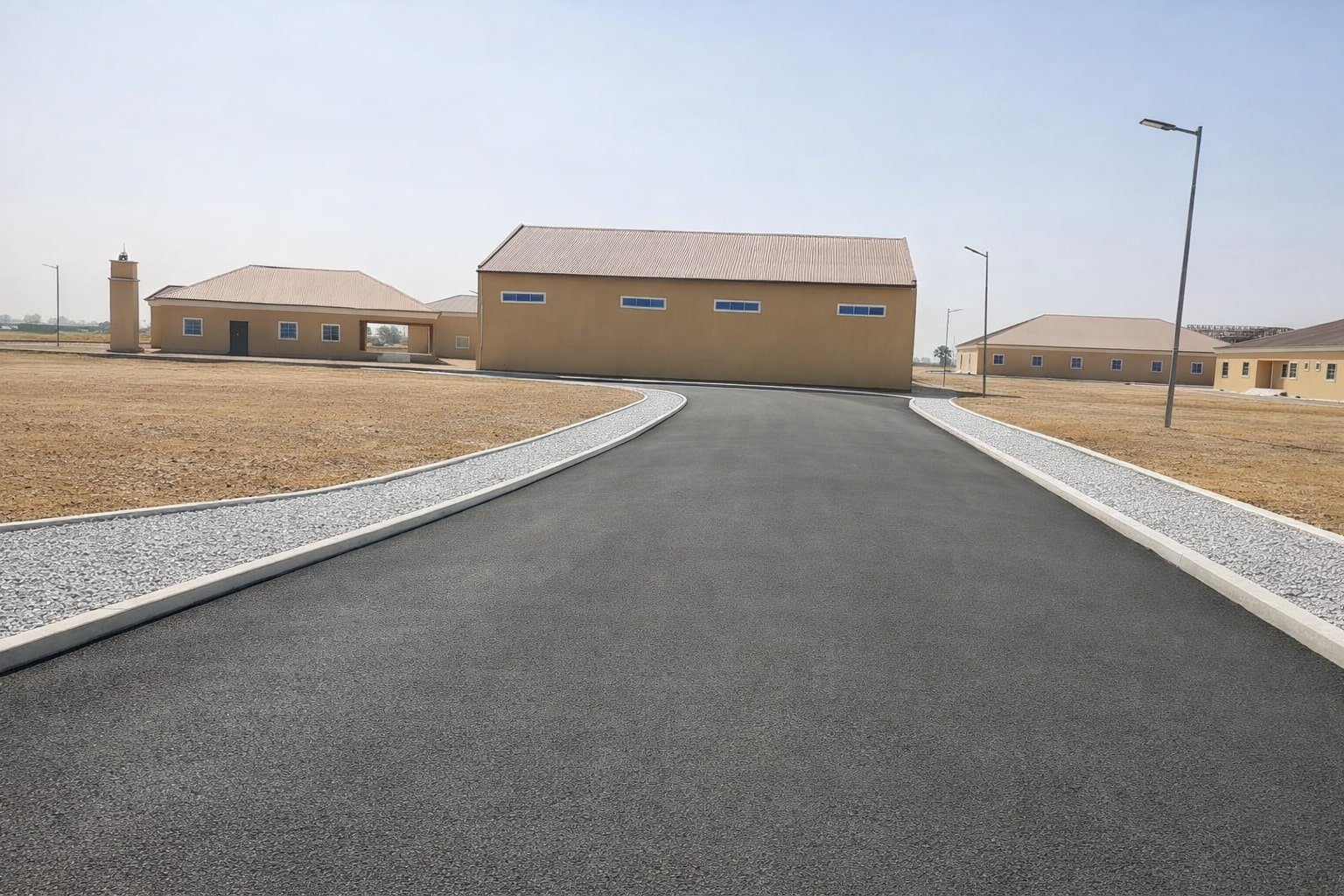
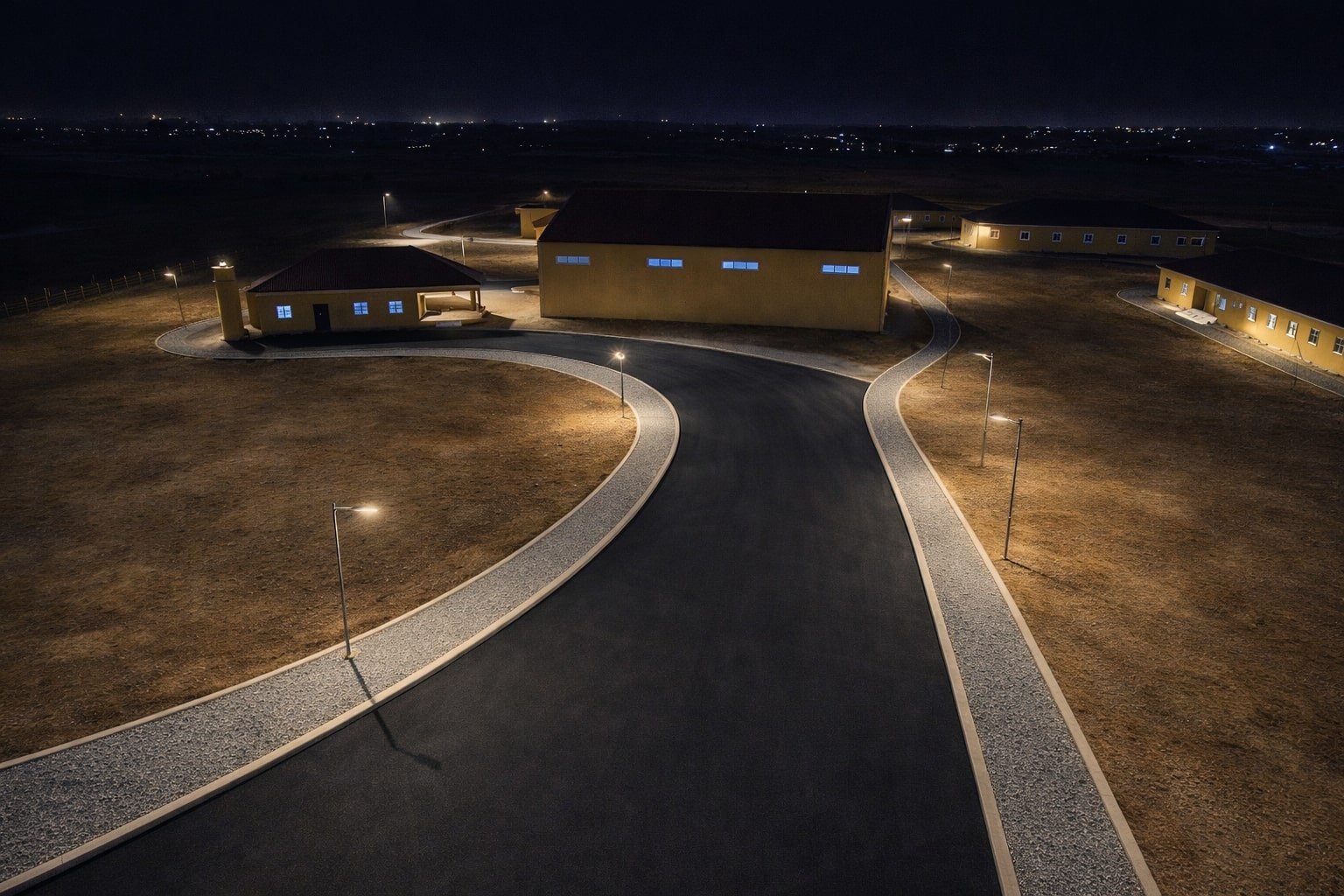
Equipped with shops, abattoirs, offices and extensive parking facilities, the markets are structured to address inefficiencies that have long constrained trade. In practical terms, they reduce congestion, improve hygiene, enhance security and provide the scale required for high-volume trading.
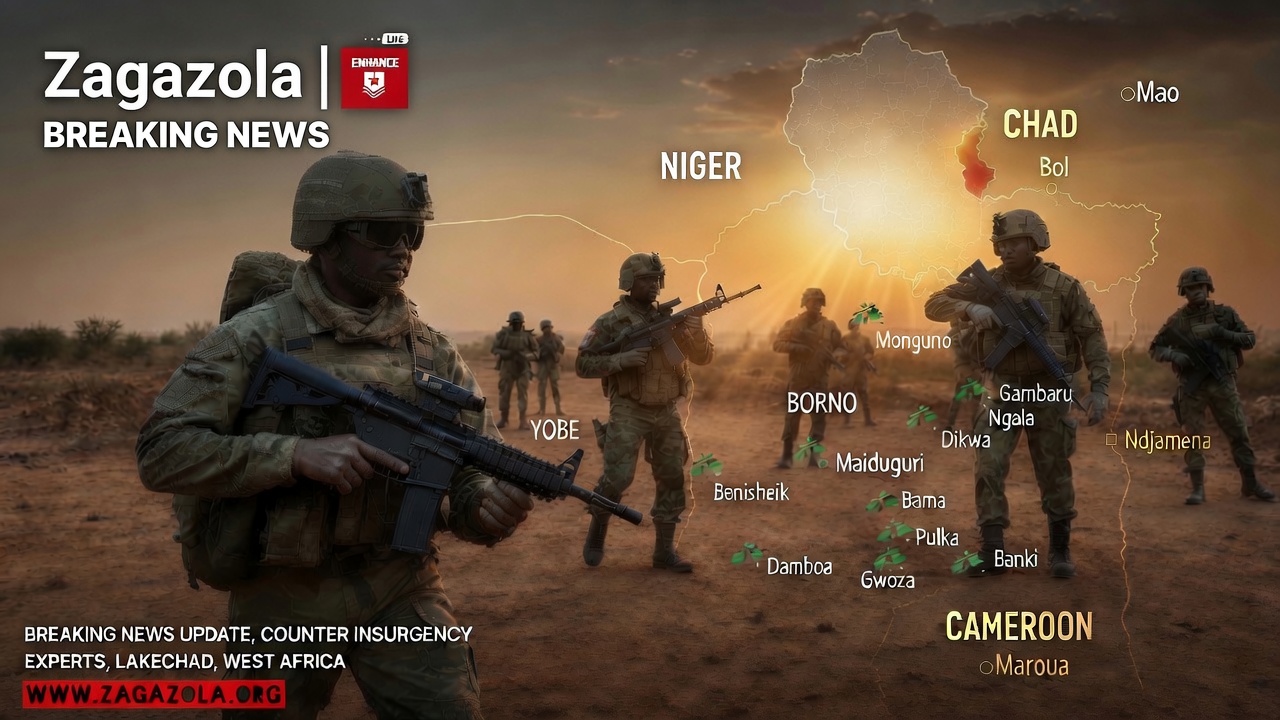
Strategically, the markets tap into Yobe’s historic role as a cross-border trading corridor linking Nigeria with Chad, Cameroon and Niger. Architect Kyari noted that revitalising market infrastructure is key to restoring trade flows disrupted by years of insecurity. Improved roads such as the Gashua–Masaba corridor further strengthen this objective by ensuring smoother movement of goods to and from these commercial centres.
Revenue generation is another central consideration. Hon. Abdullahi Bego said the markets are expected to boost internally generated revenue and help Yobe compete more effectively in livestock and agricultural produce markets within the sub-region. In a state seeking to reduce reliance on federal allocations, expanding the local revenue base is a critical policy goal.
Viewed together, the road and market projects suggest a shift from emergency-driven governance to development-led planning. Rather than focusing solely on relief, the state is investing in infrastructure that enables productivity, private enterprise and long-term resilience.
While challenges remain, particularly in sustaining security and maintaining the facilities the scale and coordination of these interventions indicate a clear development trajectory. Roads now lead to markets; markets, in turn, create incentives for production and trade.
In this sense, the Gashua–Masaba Road and the new modern markets are not isolated achievements. They are interconnected pillars of Yobe’s post-conflict recovery, signalling a gradual but determined transition from isolation to integration, and from survival to growth.