Sustained US- Nigeria Offensive Tightens Noose on ISWAP as Leadership, Logistics Networks Come Under Pressure
By: Zagazola Makama
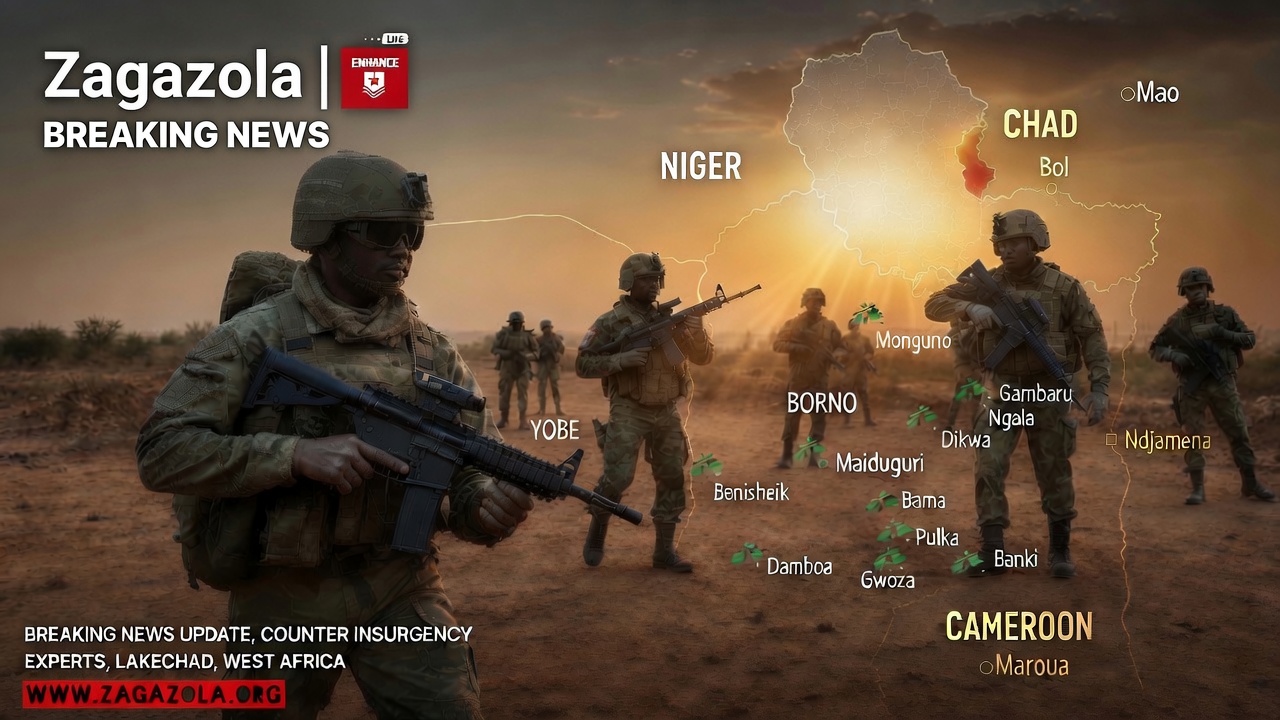
Sustained military operations by US AFRICOM- Nigerian forces are placing increasing pressure on the Islamic State West Africa Province (ISWAP), with recent intelligence assessments indicating significant disruptions to the group’s leadership structure, foreign and logistics networks and operational capabilities across the Lake Chad Basin.
Security sources said a series of coordinated intelligence led air and ground operations conducted under in recent weeks have targeted key terrorist enclaves, supply routes, command centres and logistics hubs in parts of Borno State and the wider Lake Chad region.
The latest indication of the pressure facing the insurgent group emerged from messages attributed to ISWAP, which reportedly acknowledged that traditional routes used by foreign fighters seeking to join the group had become increasingly inaccessible due to intensified military operations.
According to security sources, such routes have historically served as vital channels for the movement of fighters, weapons, supplies and external support into insurgent-controlled territories.
The sources noted that restrictions on those corridors could complicate recruitment, logistics and operational planning for the terrorist group.
Military sources attributed the development to sustained intelligence-driven operations that have degraded several insurgent strongholds, decapitated top leadership and disrupted mobility across the theatre.
One of the most significant developments in the ongoing campaign was the reported neutralisation of senior ISWAP commander Abubakar Mainok, also known as Abu Bilal Al-Mainuki.
Security sources described Mainok as a highly influential figure within the organisation who allegedly exercised authority over operations extending across Nigeria, Niger, Chad and Cameroon.
Sources said battle damage assessments from recent air operations indicated that Mainok was killed alongside several close associates and senior aides.
Among those reportedly neutralised were Abu Huraira, described as a key operational commander; Ba Yuram, who allegedly coordinated logistics, procurement and weapons acquisition; and Mallam Haruna, identified as Mainok’s chief security aide.
The loss of multiple senior figures in a single operation has already created challenges for command coordination within the organisation.
“The significance is not merely the loss of one commander but the reported disruption of an entire command ecosystem responsible for planning, logistics, security and operational coordination.
Military sources disclosed that precision strikes conducted around Kirta, Arina Ciki and other locations in the Lake Chad region on July 1, resulted in the neutralisation of more than 50 insurgents. The operations also reportedly destroyed logistics facilities, supply depots, shelters and support infrastructure used by the group.
Additional strikes at Arege in Kukawa Local Government Area were said to have neutralised 21 more insurgents after intelligence confirmed the presence of terrorist elements planning hostile activities.
According to the sources, the strikes formed part of a broader campaign aimed at dismantling terrorist sanctuaries and denying insurgents freedom of movement. Battle damage assessments indicated that several strategic locations were affected.
At Garin Abu Bilal, also known as Sahel, military sources reported the destruction of operational vehicles carrying weapons and supplies. At Garin Ba Bunu, security officials said a major food storage facility and taxation coordination centre used by insurgents were destroyed.
Similarly, at Satir-Kanama, strikes reportedly eliminated logistics workshops and destroyed dozens of motorcycles, engines, batteries and repair equipment used for mobility and maintenance. At Kwatan Fulani, identified by security officials as a commercial and logistics hub, several supply facilities, fuel depots and operational vehicles were destroyed.
Security sources also pointed to indications of internal uncertainty within ISWAP’s leadership hierarchy. According to intelligence assessments, senior commander Ba’a Shuwa has reportedly shown reluctance to assume a broader leadership role following Mainok’s reported death.
Sources suggested that the growing vulnerability of senior terrorist leaders to intelligence-led operations may be contributing to hesitation among potential successors. Leadership transitions within insurgent organisations are often sensitive periods that can generate rivalries, succession disputes and operational disruptions.
The challenge for the group is replacing experienced commanders who combined operational leadership, logistics management, propaganda oversight and links to external networks.
Security officials said the current situation is the result of sustained military pressure over an extended period rather than a single operation.
In recent months, troops have reported the destruction of terrorist camps, recovery of weapons and ammunition, arrests of suspected collaborators, rescue of abducted civilians and increased numbers of insurgents and their family members surrendering to authorities.
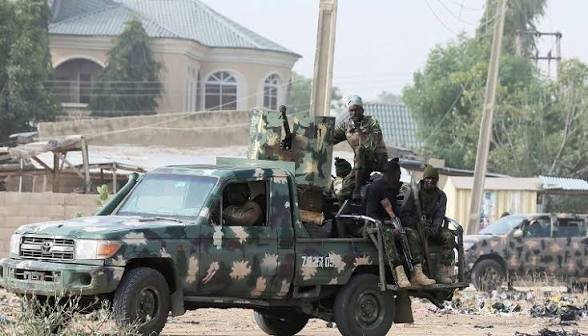
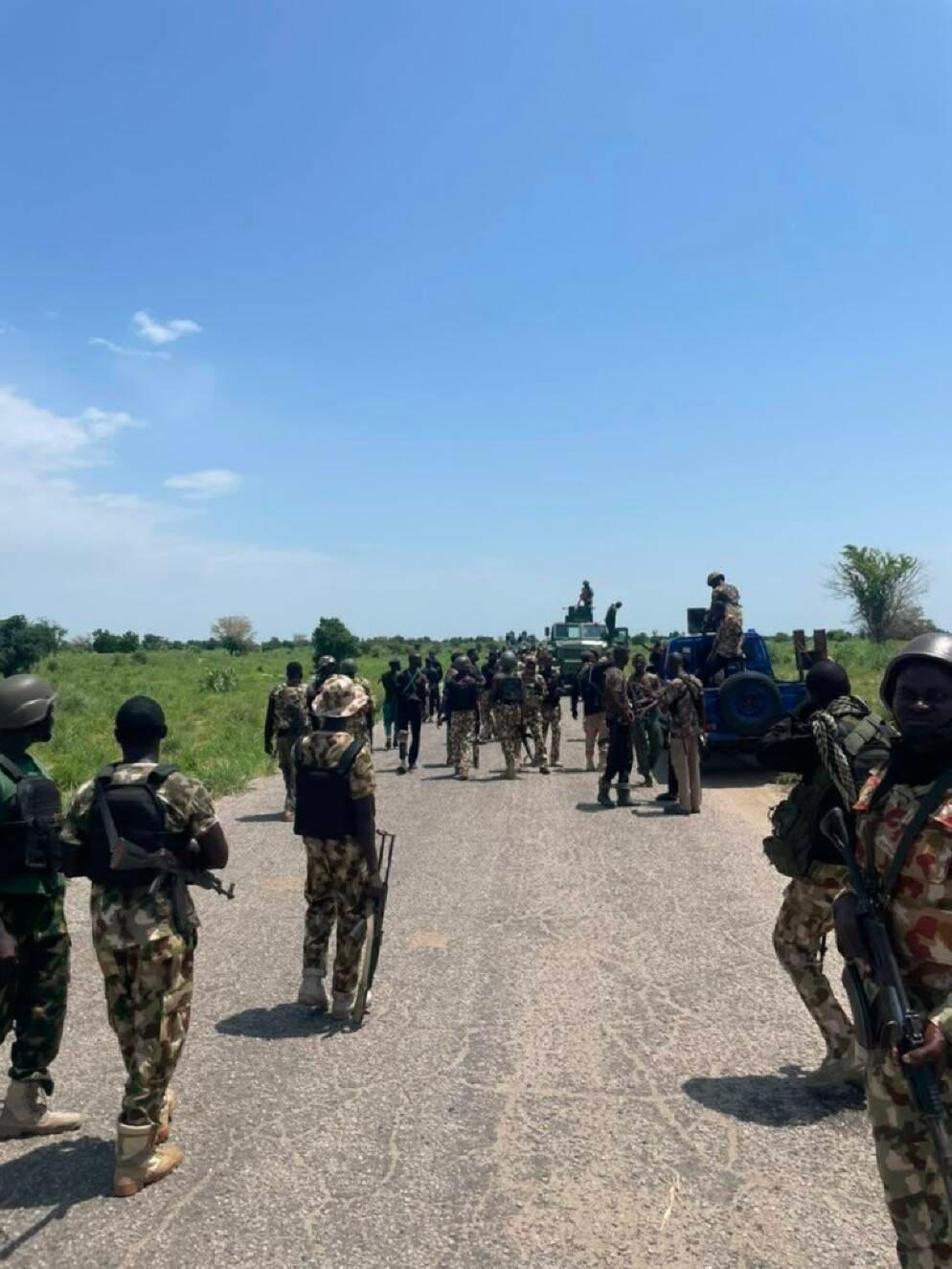
Special forces troops have continue to make incursions into terrorists enclaves around Timbuktu Triangle, Sambisa Forest and Bulabulin in Yobe State. One of the most recent was the elimination of more than 80 terrorists by 198 Special Forces Battalion Katarko in the North-East Yobe state. The same type of victory was recorded in Malam Fatori where 84 terrorists met their waterloo.
Military operations of Operation HADIN KAI have also targeted movement corridors linking terrorist enclaves across remote parts of the Lake Chad Basin.
The pressure has reportedly forced some insurgent elements to abandon traditional island sanctuaries and relocate to less secure locations where they remain vulnerable to surveillance and precision strikes.
The terrorist organisations rely heavily on secure logistics networks to sustain operations, recruit fighters and maintain influence over local populations. Disrupting those networks, they said, can have long-term effects on operational effectiveness.
Despite the reported gains, Zagazola cautioned that ISWAP remains a capable and dangerous organisation with the ability to adapt and reorganise.
Several enclaves are believed to remain active across parts of the Lake Chad region, and security forces continue surveillance and offensive operations against surviving elements.
Military sources said troops remain committed to sustaining pressure through coordinated air and ground operations designed to dismantle remaining terrorist infrastructure.
According to the sources, the recent operations demonstrate the increasing effectiveness of intelligence-driven targeting, enhanced cooperation among security agencies and collaboration with international partners.
They added that while challenges remain, the cumulative impact of recent operations has significantly constrained the group’s freedom of movement, weakened key components of its logistics architecture and increased pressure on its leadership structure.
Security officials expressed confidence that sustained operations would further consolidate gains already recorded in the North-East and contribute to ongoing efforts to restore peace and stability across the Lake Chad Basin.