Mali attack: fuel convoy ambushed in Kayes, dozens of tankers destroyed
By: Zagazola Makama
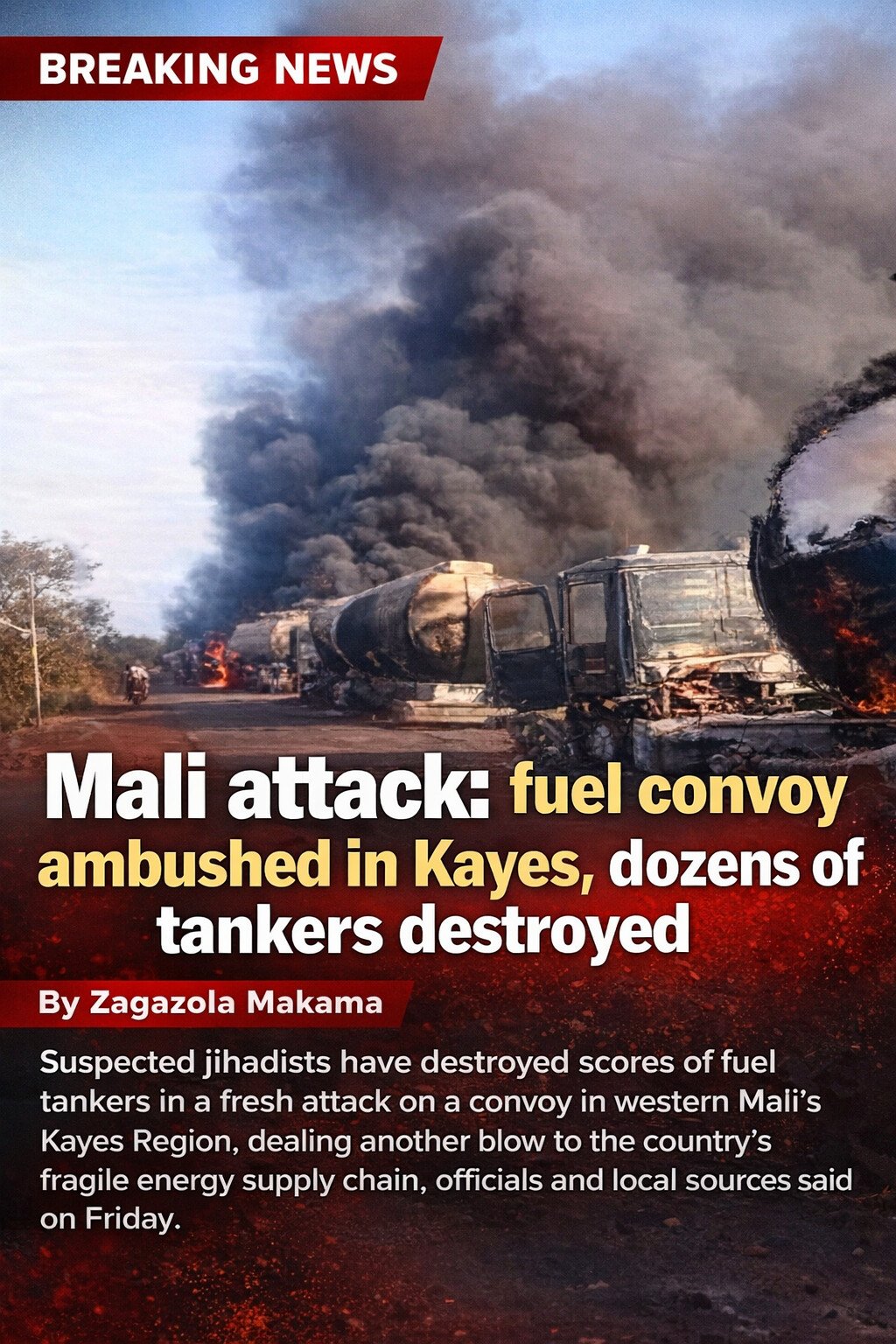
Suspected jihadists have destroyed scores of fuel tankers in a fresh attack on a convoy in western Mali’s Kayes Region, dealing another blow to the country’s fragile energy supply chain, officials and local sources said on Friday.
The assault, attributed to the al-Qaeda-linked Group for the Support of Islam and Muslims (JNIM), occurred on the highway linking Kayes to the Senegalese border, a key corridor for fuel imports into Mali.
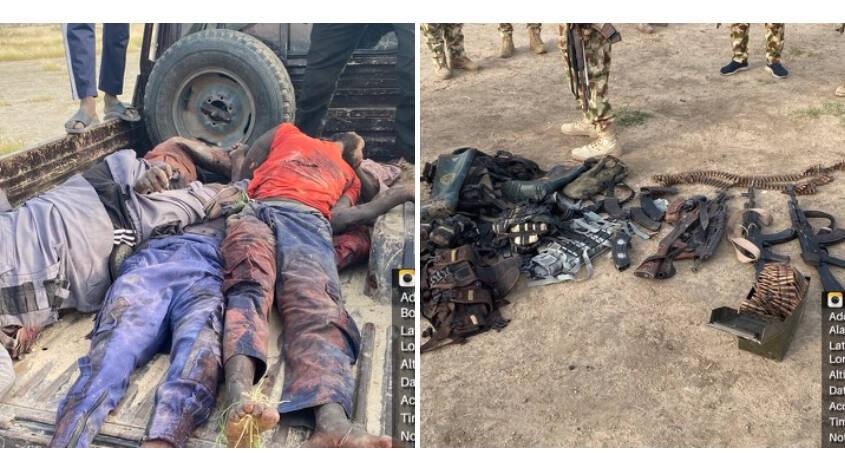
Local officials said the convoy was travelling under military escort when it came under attack. An elected official, quoted by international media, reported that at least three Malian soldiers and four attackers were killed. Two civilian bodies were later found along the same axis, while several soldiers who were part of the escort were still unaccounted for as of Friday.
An official of the Malian Office of Petroleum Products said the incident would not immediately affect national fuel availability. However, analysts warn that the repeated targeting of tankers could strain supplies, especially with Ramadan less than three weeks away.
The attack also came shortly after the transitional authorities announced new fuel-rationing measures aimed at curbing hoarding and black-market sales. Under the plan, cars are to refuel once every three days and motorcycles once every two days.
Kayes is considered strategic for Mali, serving as a gateway for imports from Senegal and Côte d’Ivoire and hosting important mining activities. Over the past four months, JNIM has sought to impose an economic blockade across southern and western Mali by attacking transport routes and logistics.
Although joint escorts by Malian forces and allied foreign troops had eased pressure on supply lines late last year, renewed attacks since early January have again threatened the flow of fuel to Bamako and other cities.
Security sources said efforts were under way to reinforce convoy protection and track the missing personnel as the government works to stabilise distribution and prevent further disruption.