Plateau survivors recounts lynching as reprisals fuel fresh killings
By: Zagazola Makama
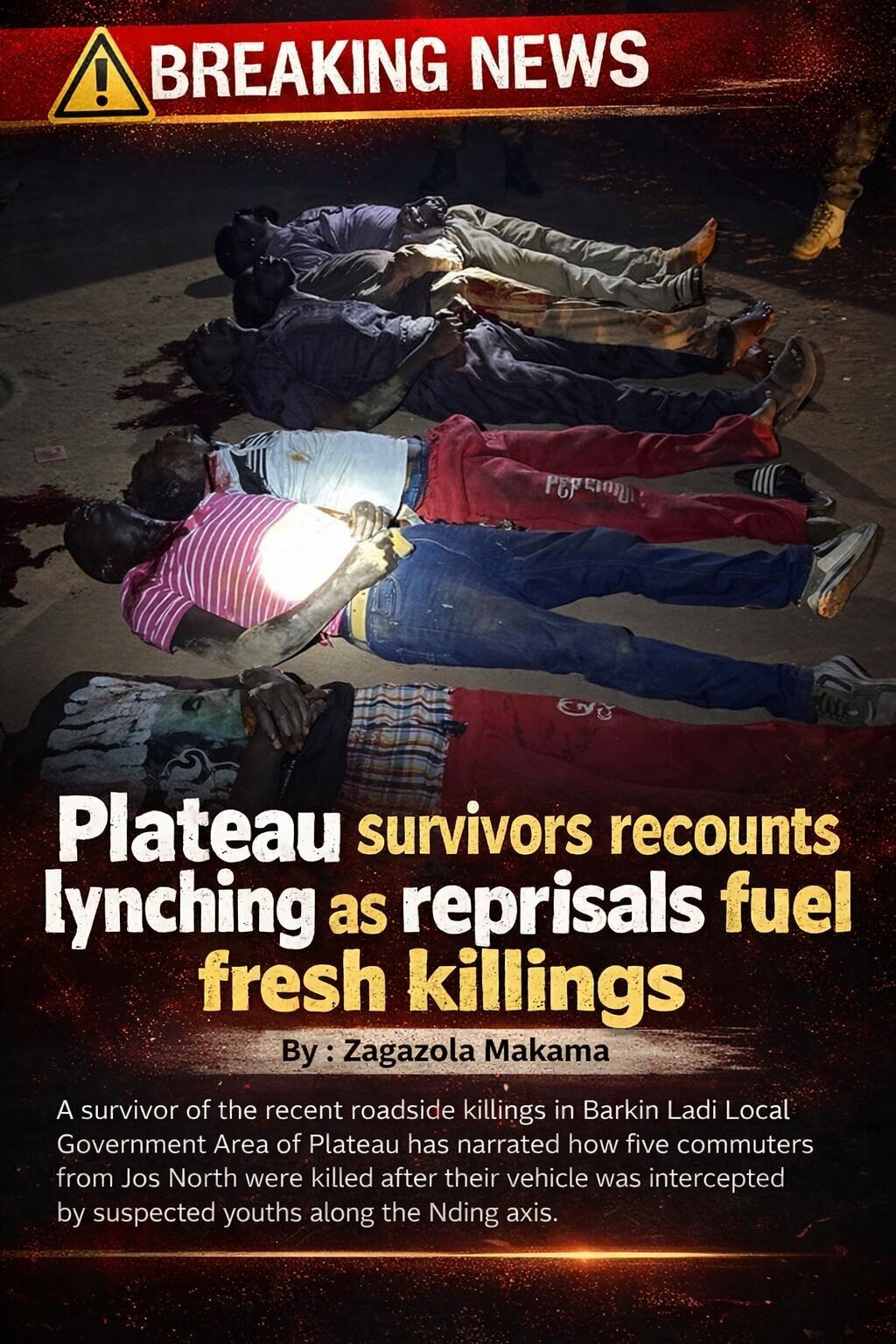
A survivor of the recent roadside killings in Barkin Ladi Local Government Area of Plateau has narrated how five commuters from Jos North were killed after their vehicle was intercepted by suspected youths along the Nding axis.
The incident occurred hours after seven persons were reportedly killed in Ratatis community, Dorowa Babuje, by suspected armed Fulani bandits.
 |
 |
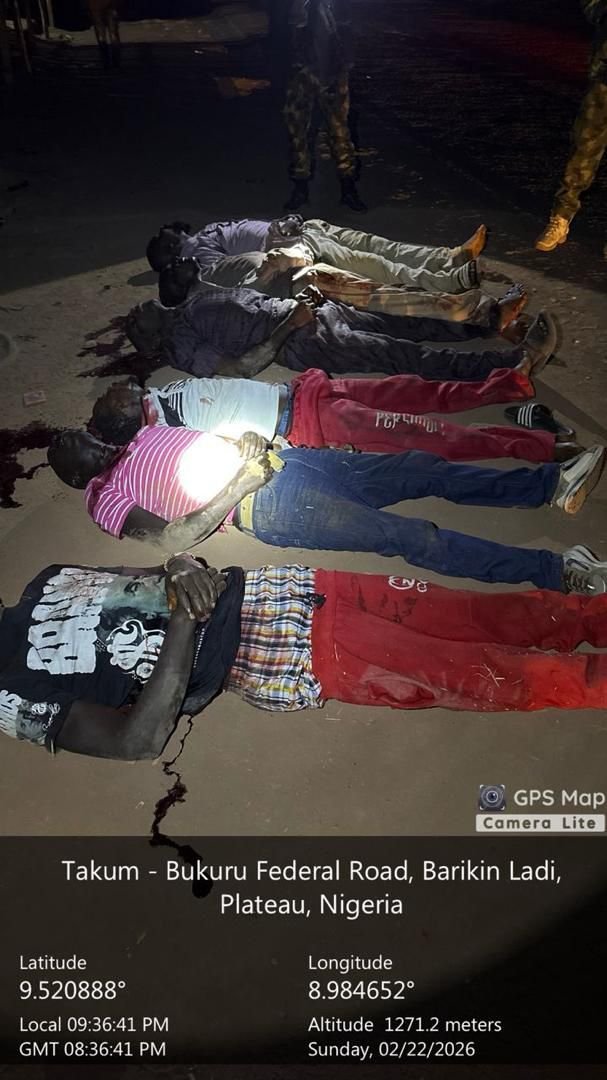
Sources confirmed that a passenger Opel Vectra conveying civilians was stopped at a road blockade mounted by suspected Berom youths. Four passengers were reportedly killed on the spot, while a fifth later died from injuries.
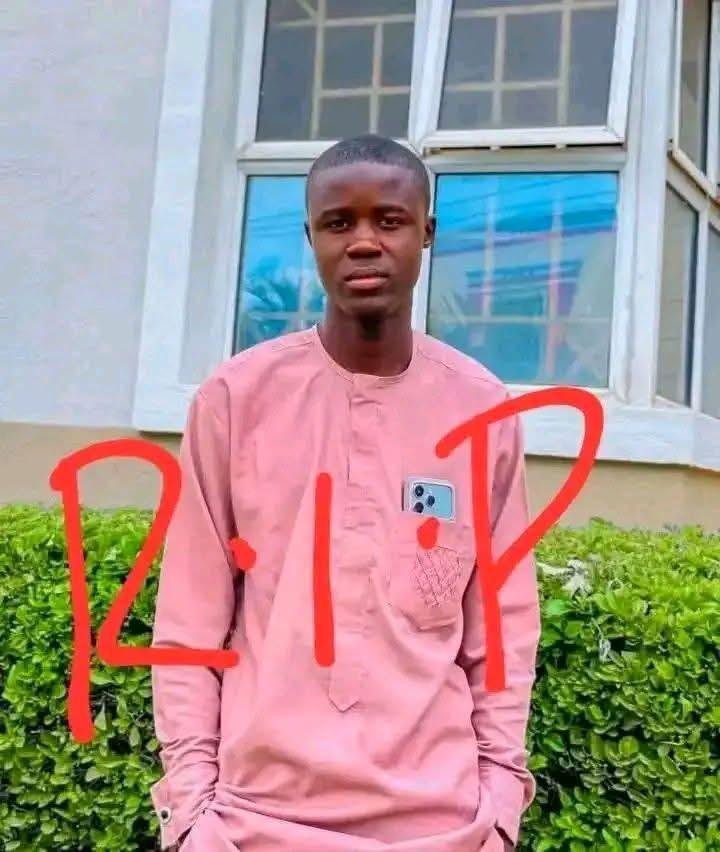
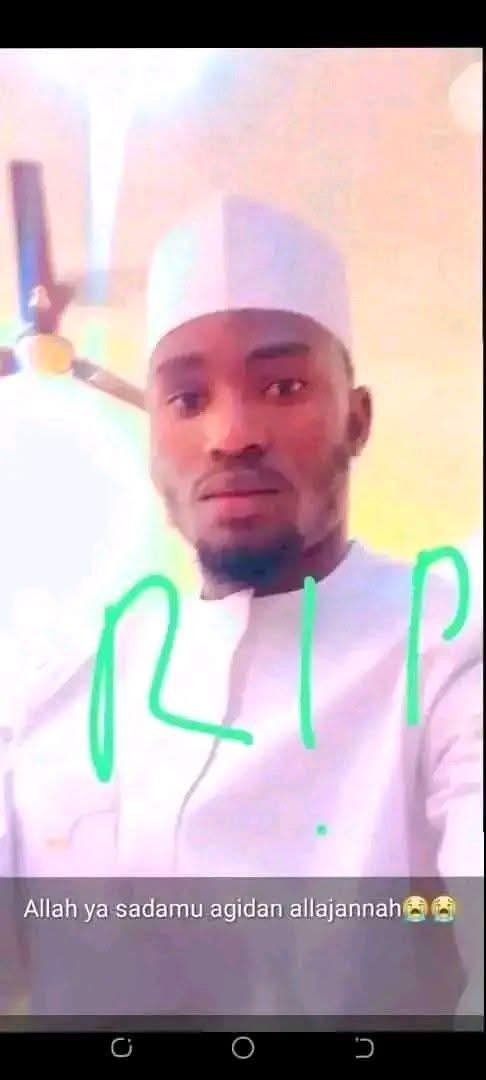
All the victims were identified as Hausa residents of Gangare in Jos North. They were said to be traders travelling to Pankshin for their businesses.
 |
 |
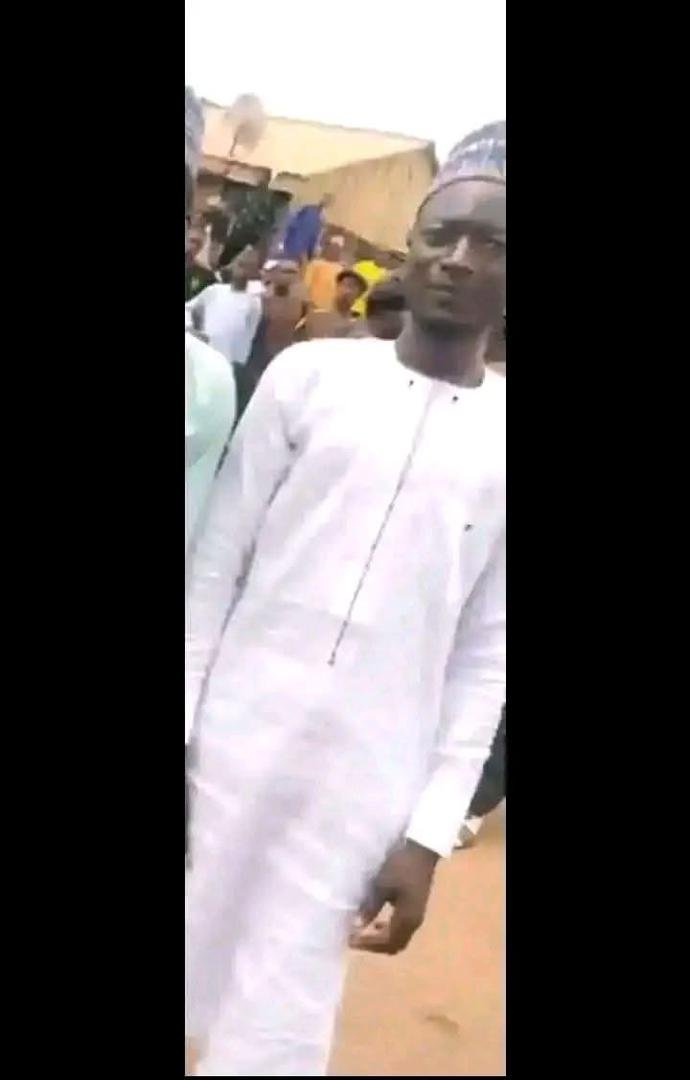
Abdulalim Ibrahim, one of the survivors, said the attackers demanded to know their identities before opening fire.
“We were heading to the market in Pankshin when we were stopped by the protesters and asked who we were. The driver tried to calm them and told them we were all one. But the protesters rejected. Suddenly, there was gunfire. One person sitting at the back seat was shot inside the car while four others were dragged out by the youths,” he said.
 |
 |
They dragged others out of the vehicle and began shooting at them. I immediately told the driver to drive off with speed and leave the scene. When we arrived in Mangu, we contacted our parents and family friends. We were advised to go to the nearest security outfit, where soldiers were attached to provide security for us. (watch video below )
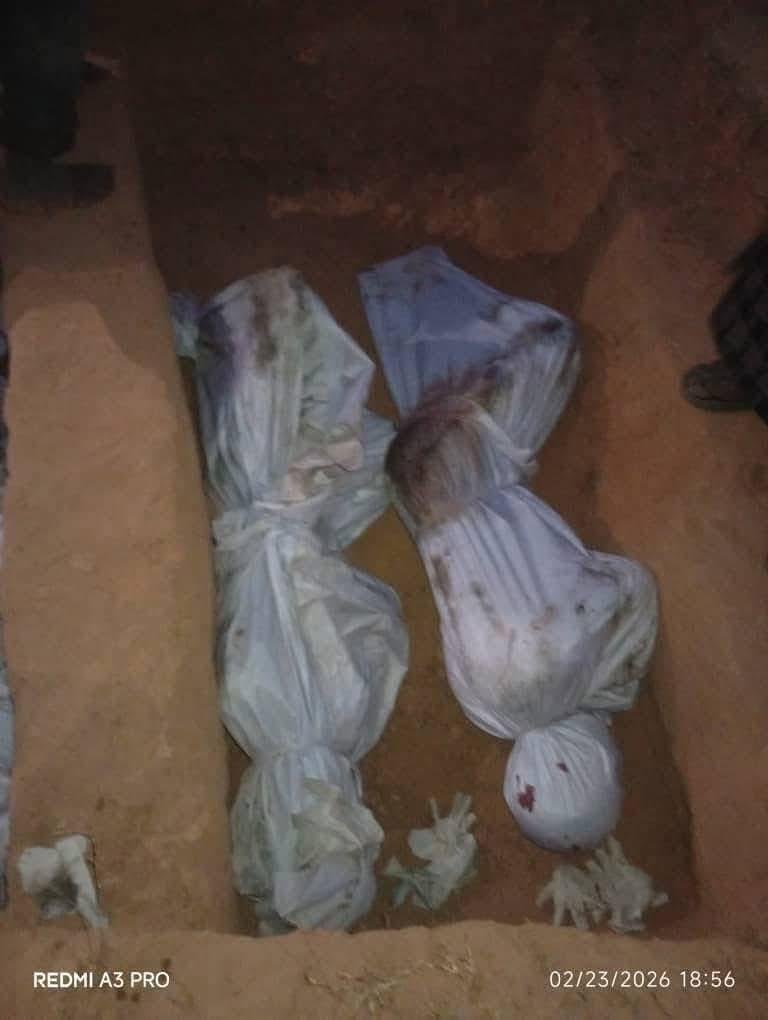
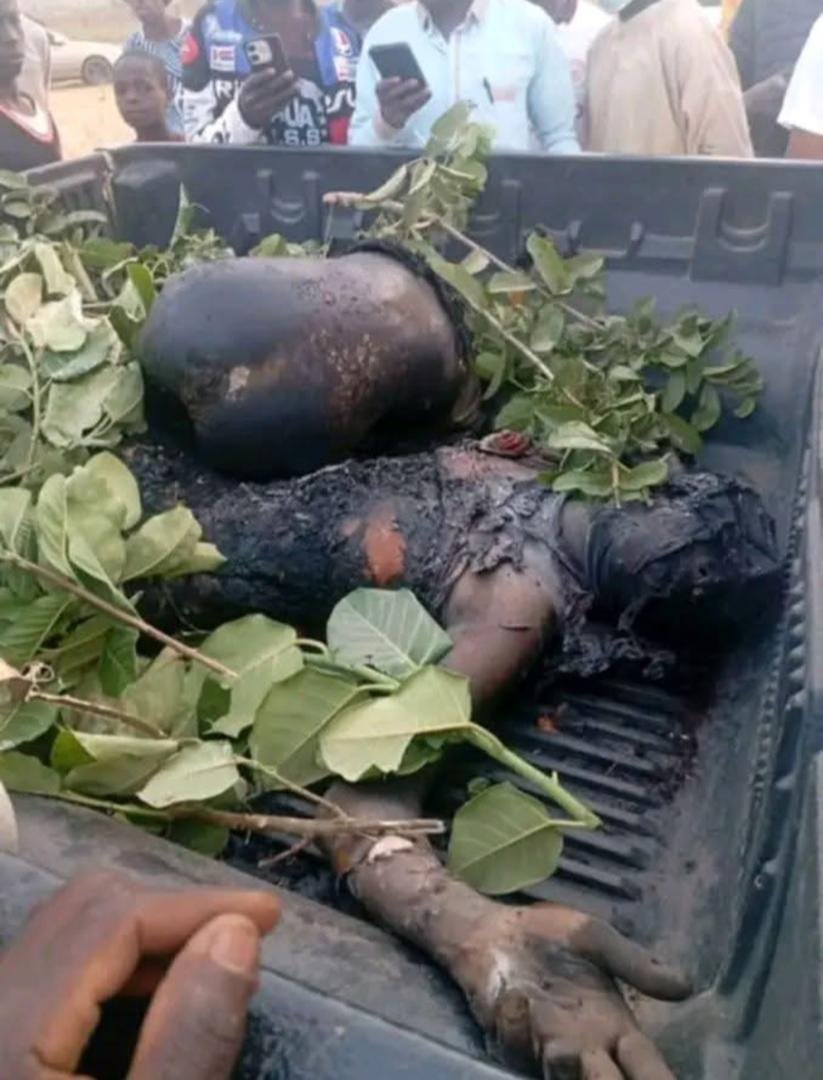
When we later saw the victims, they had been brutally killed. Some were burnt, while others were mutilated. They were later evacuated to Barkin Ladi, where prayers were offered for them.
 |
 |
Muazu Saidu, Co-survivor, said Everything he said is true. We were all in that vehicle. The victims were innocent businessmen. One of them, Baba Karami Zakari, had just welcomed a newborn child. All of them have families.”
He stated that the victims included Uwaisu, Jubril, Zakari, Shamsu and Zubairu. They were businessmen. One of them, Baba Karami Zakari, just had a newborn child. They all had families,” he said.
Religious leaders have also appealed for calm. The Regional Chairman of the Church of Christ in Nations (COCIN) in Barkin Ladi, Rev. Ezekiel Dachomo, called on youths and community members to exercise restraint and avoid escalating tensions. Rev Dachomo also avoid speaking about the killing of the five traders whose only crimes was being caught in retaliatory or identity-driven violence.
The Commissioner of Police (COMPOL), Plateau State Police Command, visited key black spots across Jos North and held consultations with stakeholders, including the palace of Ujah Anaguta, Chairman of the Jos North Traditional Rulers Council. The police assured the royal father of their commitment to maintaining law and order and urged him to ensure stability within his domain. The COMPOL also engaged leadership of the Jos Central Mosque, the Executive Chairman of Jos North LGA, and other community leaders to prevent any breakdown of law and order.
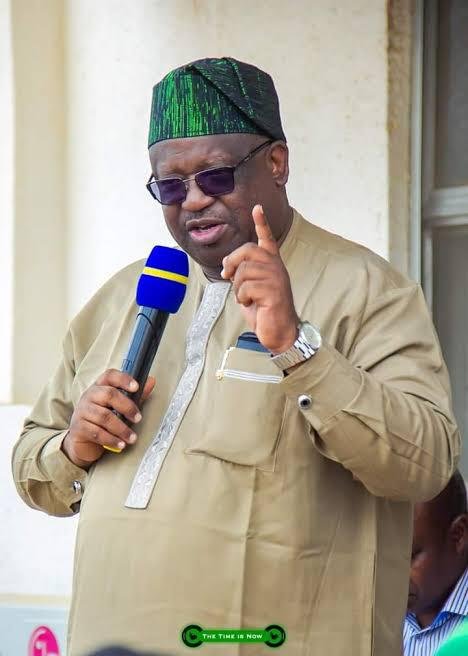
Gov. Caleb Mutfwang strongly condemned the Dorowa Babuje killings, through the Commissioner for Information, Mrs Joyce Ramnap, describing them as “barbaric and senseless,” and directed security agencies to intensify operations to crack down on attackers.
However, his official statement did not specifically acknowledge the five commuters killed in the reprisal. Both incidents involved civilians. Both involved families. Yet public response has not appeared equally forceful.
When governments appear to condemn one set of killings more loudly than another, it reinforces the narrative that some lives matter more than others. In a state already fractured along ethnic and land-based fault lines, perception quickly becomes fuel. In Plateau, violence no longer erupts in isolation. It unfolds in patterns, attack, retaliation, silence, and then another burial.
Plateau’s crisis is no longer a simple farmer-herder conflict. It has mutated into two parallel but interconnected threats: Armed Fulani bandits who raid rural communities, burn homes and kill farmers to Local Militia-style who attack civilians based on identity and carry out targeted killing under the guise of community protection. Both are unlawful. Both are criminal. Both are banditry and both thrive in the absence of swift and visible justice.
The latest killings mirror previous incidents in Plateau where civilians were attacked following broader communal violence. Yet years of the same pattern of recurring violence, from Rukuba Road in 2021 to Mangu in 2025 and now Barkin Ladi in 2026, have produced more funerals than convictions. Victims and families continue to ask a simple question: who has been punished?
On Plateau roads, language, name, or perceived ethnic affiliation can determine survival. Innocent traders travelling to markets, students heading to weddings, worshippers returning from religious events, all become symbolic targets in a war they did not start.
When perpetrators are not publicly prosecuted, deterrence collapses. When local militia continue to carry out targeted killings without consequence, impunity becomes normalised. When reprisals are not unequivocally condemned, they are quietly rationalised. This is how identity becomes a death sentence.
Government inaction or even the perception of partiality does not calm such a situation. It complicates it. It hardens narratives. It emboldens extremists on all sides. Peace cannot be selective. Justice cannot be ethnic. Condemnation cannot be conditional.
If Plateau is to escape this recurring nightmare, the state must confront both armed bandits in the forests and militia from within its communities with equal firmness. Anything less will only deepen the crisis