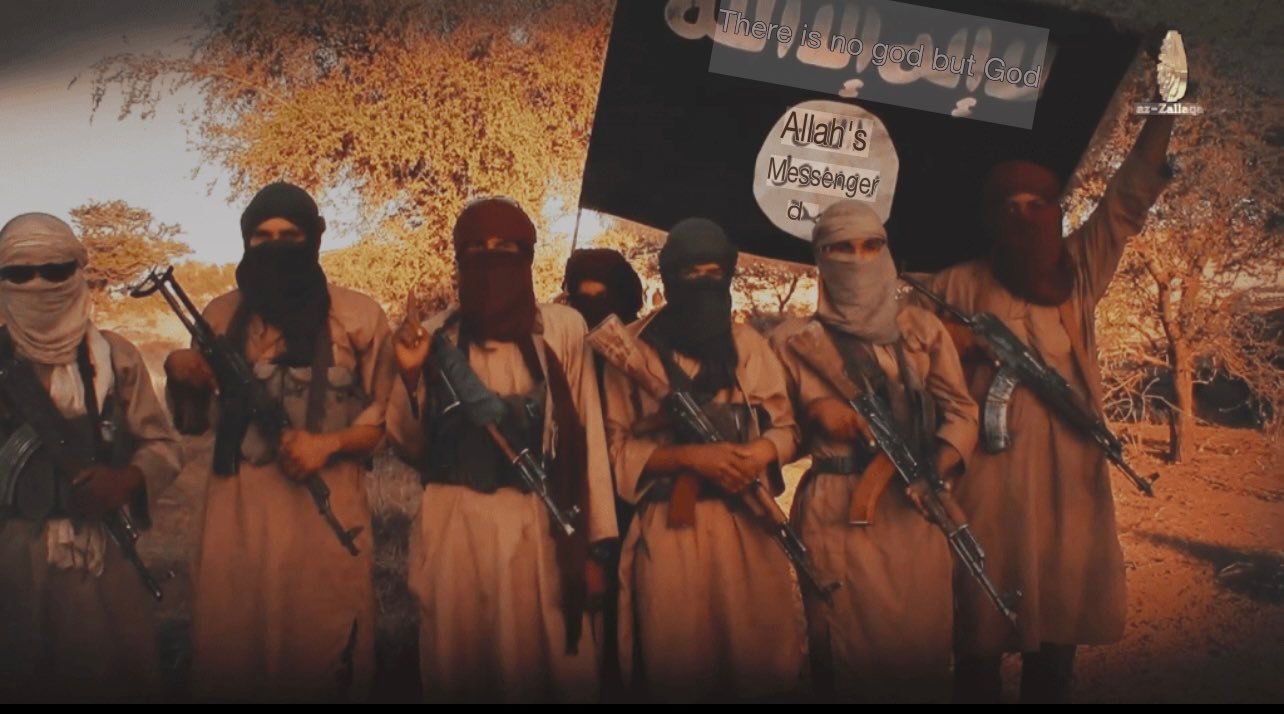
Sustained Air Interdiction Campaign Deepens Fear Within ISWAP Ranks Across Sambisa, Tumbuns
By: Zagazola Makama
The ongoing precision air interdiction campaign by the Air Component of Operation HADIN KAI is increasingly degrading not only the operational capabilities of ISWAP and Boko Haram terrorists in the North-East theatre, but also their psychological resilience, as fresh intelligence indicates growing panic, fear and uncertainty among fighters hiding within the Sambisa Forest and adjoining enclaves.
Reliable intelligence information obtained by Zagazola Makama on May 26 at approximately 0638 hours revealed clear signs of anxiety among ISWAP elements following repeated bombardments by Nigerian military aircraft targeting terrorist hideouts, logistics bases and assembly areas across the Sambisa axis and Lake Chad fringes.
Sources said that an ISWAP fighter identified as Abu Ibrahim, believed to be operating around Konduga Local Government Area of Borno State, communicated with an associate suspected to be within the Pulka axis of Sambisa Forest in Bama LGA.
During the conversation, Abu Ibrahim reportedly informed his associate that military aircraft had conducted strikes on multiple locations across the forest and offered prayers for the safety and survival of fighters within the affected areas.
The associate confirmed that the bombardments were concentrated towards the southern flank of Sambisa Forest, particularly around the Gwoza axis, and acknowledged that the strikes had generated widespread fear and apprehension among terrorist fighters.
The tone of the communication strongly suggest that recent sustained air offensives are exerting significant psychological pressure on insurgent elements, particularly within previously fortified enclaves long considered relatively secure by the terrorists.
The growing fear among fighters is indicative of mounting operational stress within terrorist ranks, likely caused by the increasing accuracy, frequency and unpredictability of Nigerian Air Force interdiction missions across key insurgent corridors.
The identification of the southern Sambisa axis as a focal point of recent bombardments further indicates that security forces possess credible and actionable intelligence on terrorist concentrations, logistics movement and operational nodes within the forest.
It is believe that the psychological effect of the strikes has already trigger internal displacement of fighters, fragmentation of smaller units, increased desertions and disruption of command cohesion among ISWAP cells operating within the area.
The latest intelligence comes amid an intensified series of coordinated Air Interdiction (AI) missions conducted by the Air Component of Operation HADIN KAI against known terrorist enclaves in the Mandara Mountains, Southern Tumbuns and Gezuwa axis.
One of the major operations was conducted in the early hours of May 19 at about 0325 hours when the military platform, in collaboration with the another Intelligence, Surveillance and Reconnaissance (ISR) asset, departed from the theatre air base to execute a precision strike mission on Chikide, a notorious terrorist enclave located within the Mandara Mountains.
The operation followed actionable intelligence and confirmatory ISR which identified active terrorist structures and logistics hubs within the location.
Upon arrival over the target area, aircrew successfully acquired designated targets and engaged them using precision-guided munitions.
Battle Damage Assessment (BDA) later confirmed that targeted structures and logistics facilities were destroyed, while several terrorists were neutralized during the strikes.
Military sources described the Chikide mission as strategically significant due to the difficult mountainous terrain which terrorists have historically exploited as natural defensive cover against ground offensives.
In another coordinated operation conducted on the same day at approximately 0530 hours, the PHANTOM formation, also operating alongside the ISR platform, carried out precision strikes on Bukar Meram, a known terrorist stronghold within the Southern Tumbuns region of the Lake Chad Basin.
Sources confirmed that Intelligence preceding the mission had indicated sustained terrorist activity around logistics bases and assembly areas within the enclave.
Confirmatory ISR subsequently identified multiple active structures, storage locations and gathering points used by terrorist fighters.
The sources added “On arrival over the target area, aircrew acquired and engaged the selected targets with onboard ordnance in carefully executed attack runs,”said the sources.
According to the sources, post-strike assessments confirmed the destruction of terrorist logistics bases, structures and assembly points used by fighters operating within the Southern Tumbuns corridor.
The Military sources further noted that the destruction of logistics infrastructure within the Tumbuns remains critical to ongoing efforts aimed at disrupting the insurgents’ resupply networks, mobility and operational sustainability across the Lake Chad region.
In a related development, another AI mission was conducted on May 26 at about 0540 hours targeting Biramiri in the Gezuwa general area, another identified terrorist enclave.
During successive attack passes over the area, aircrew successfully engaged the identified targets with precision munitions.
Subsequent assessments confirmed the destruction of logistics hubs and operational structures, with several terrorists reportedly neutralized during the operation.
Military intelligence experts believe the sustained tempo of coordinated ISR-backed air strikes is gradually eroding the operational freedom previously enjoyed by terrorist groups across Sambisa Forest, the Mandara Mountains and the Lake Chad Basin.
The increasing effectiveness of precision strikes, particularly those supported by real-time surveillance and intelligence fusion, is also believed to be limiting insurgent mobility while simultaneously forcing fighters into survival mode rather than offensive planning.
The current air campaign is achieving dual strategic objectives: physical degradation of terrorist capabilities and psychological destabilization of insurgent networks.
Sources at the Theartre Command maintain that the sustained pressure from air and ground forces under Operation HADIN KAI will continue to target terrorist enclaves, logistics corridors and leadership elements until insurgent operational capacities are significantly degraded across the North-East theatre.