US expands travel restrictions, cites security risks including Nigeria
By: Zagazola Makama
The United States government has expanded and strengthened entry restrictions on nationals from several countries deemed high-risk, citing persistent deficiencies in screening, vetting, and information-sharing, as well as national security and public safety concerns.
President Donald J. Trump signed a proclamation maintaining full restrictions on nationals from the original 12 high-risk countries under Proclamation 10949, including Afghanistan, Burma, Chad, Republic of the Congo, Equatorial Guinea, Eritrea, Haiti, Iran, Libya, Somalia, Sudan, and Yemen. The new measures also impose full restrictions on Burkina Faso, Mali, Niger, South Sudan, and Syria, based on recent security assessments. Individuals holding Palestinian Authority-issued travel documents are similarly barred.
The proclamation also extends partial restrictions to 15 countries, including Nigeria, Angola, Benin, Côte d’Ivoire, Gabon, The Gambia, Malawi, Mauritania, Senegal, Tanzania, Tonga, Zambia, and Zimbabwe. In Nigeria’s case, the United States cited ongoing terrorist activities, notably by Boko Haram and the Islamic State in West Africa (ISWAP), which operate freely in certain regions, creating significant screening and vetting challenges for U.S. authorities.
According to the U.S. Department of Homeland Security’s Entry/Exit Overstay Report, Nigeria recorded a B-1/B-2 visa overstay rate of 5.56 percent and an F, M, and J visa overstay rate of 11.90 percent. Combined with insufficient information-sharing and security concerns, these factors informed the decision to maintain partial restrictions on Nigerian nationals seeking certain U.S. visas.
The proclamation includes exceptions for lawful permanent residents, existing visa holders, certain visa categories such as athletes and diplomats, and individuals whose entry serves U.S. national interests. It also narrows broad family-based visa exemptions, citing demonstrated fraud risks, while maintaining case-by-case waivers.
The U.S. administration emphasized that the restrictions are intended to prevent entry of foreign nationals for whom the United States lacks adequate information to assess security risks, enforce immigration laws, and advance counterterrorism objectives. Specific concerns highlighted include terrorist presence, criminal activity, inadequate civil registration systems, high visa overstay rates, and lack of cooperation by certain countries in repatriating their nationals.
For Nigeria, the partial suspension reflects the country’s ongoing struggle with terrorism in the northeast and other security challenges, which the U.S. said hinder effective vetting of travelers. The restrictions are country-specific and aim to encourage greater cooperation in information-sharing and adherence to immigration regulations.
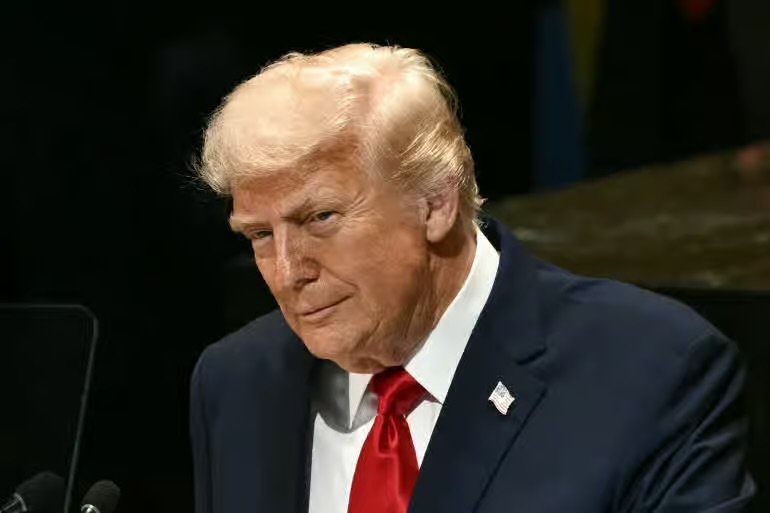
President Trump described the measures as critical to safeguarding U.S. national security, saying: “It is the President’s duty to take action to ensure that those seeking to enter our country will not harm the American people.”


