OPINION: If Plateau’s Illegal Arms Factories Belonged to Fulani Militias, the World Would Be Burning
By: Zagazola Makama
The discovery of another illegal arms factory in Plateau State should have shaken the conscience of the nation. But it did not. Not because the development was insignificant, but because it did not fit the preferred narrative carefully marketed for years by crisis merchants, foreign lobbyists, and politically interested actors feeding off the Plateau conflict.
Imagine for a moment if troops had uncovered three illegal arms factories operated by Fulani militias in their harmlet in Plateau within three weeks. Imagine if security forces had recovered fabricated AK-47 rifles, welding machines, recoiling springs, ammunition shells and weapon components from settlements associated with Fulani groups. By now, international media would be flooded with headlines screaming “genocide.” Foreign NGOs would issue emergency alerts. U.S. lawmakers would hold hearings. Social media activists would demand sanctions on Nigeria. Naked women and youths would occupy streets in Jos. Protesters would occupy the streets of Abuja, Washington and London. Religious organisations would organise prayer marches and global petitions. Every recovered rifle would become proof of an alleged grand conspiracy to wipe out Christians.
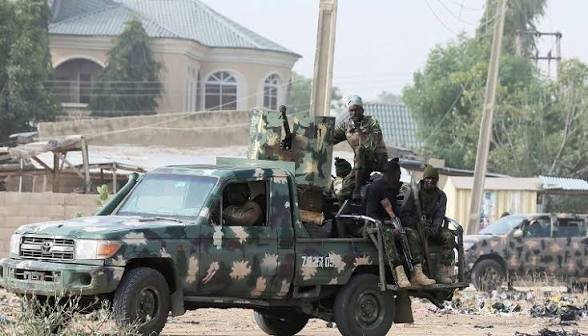
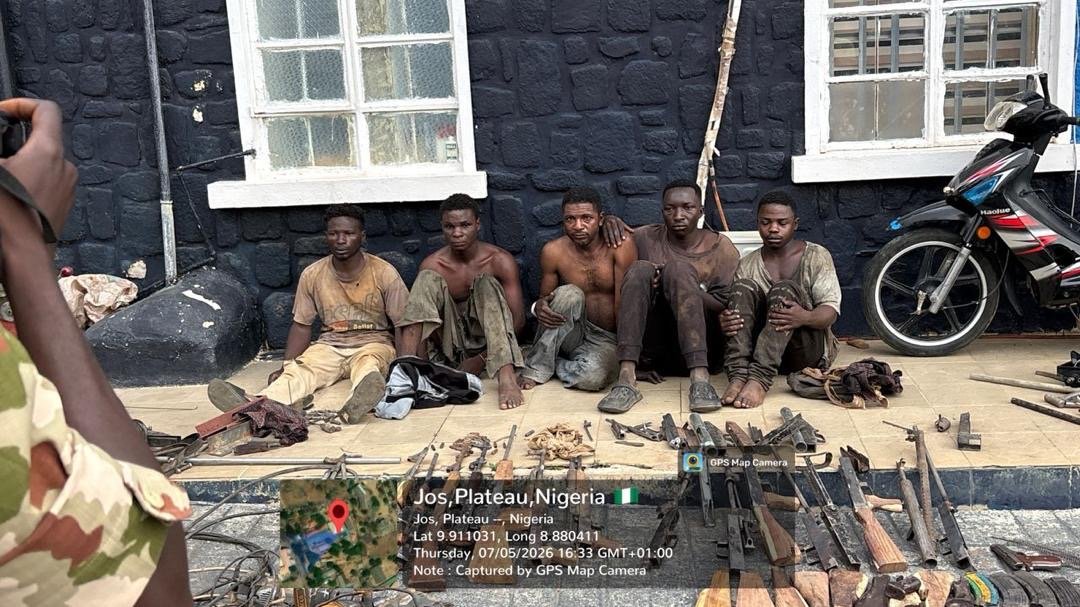
But reality can be inconvenient. Troops of Operation Enduring Peace (OPEP) raided illegal arms manufacturing sites in Vom, Jos South LGA, and arrested five suspects linked to Berom militia networks. Recovered from the factories were fabricated AK-47 rifles, weapon skeletons, revolver components, magazines, welding machines and industrial tools used for weapon production. This was not a rumour. This was not social media speculation. These were physical weapons recovered by troops during a live operation.
Yet the silence has been deafening. No outrage from the usual activists. No emergency press conferences. No sermons condemning the proliferation of illegal arms within Plateau communities. No viral hashtags. No candlelight protests. No foreign NGO reports warning about ethnic militias manufacturing weapons. The same voices that quickly amplify every allegation against Fulani groups suddenly developed selective blindness.
This is the uncomfortable truth many do not want discussed openly: Plateau’s crisis is no longer a simplistic black-and-white story of innocent victims versus faceless attackers. Armed militias exist on multiple sides of the conflict. Weapons are being manufactured locally. Revenge attacks are organised. Narratives are weaponised. Communities arm themselves while simultaneously presenting themselves exclusively as helpless victims before the national and international audience.
And that is exactly why the crisis has persisted for decades. The dangerous part is not merely the weapons themselves. The dangerous part is the ecosystem protecting the narrative. An ecosystem where facts are filtered through ethnicity and religion before they are accepted. An ecosystem where the deaths of some victims generate global outrage while the deaths of others barely earn a mention. An ecosystem where propaganda travels faster than truth.
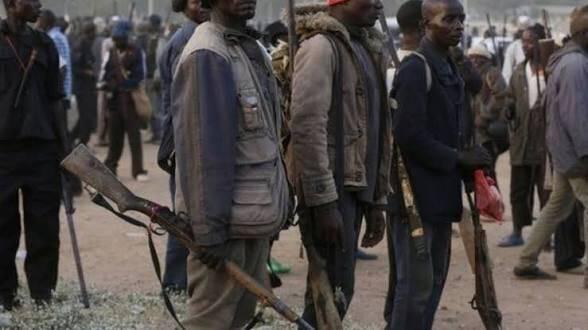
Over the past months, security operations in Plateau have exposed repeated evidence of armed local militias, reprisal cells, illegal weapon possession, and coordinated attacks hidden beneath carefully crafted emotional narratives. Troops have recovered weapons from local youths. Active shooters were seen in viral videos previously circulated as evidence of “attacks.” Security personnel have repeatedly intervened to stop reprisals between communities. Yet these realities rarely make international reports because they complicate the preferred storyline.
Even more troubling is the growing industry around Plateau’s conflict. Some foreign advocacy groups and political actors appear more interested in preserving the image of endless persecution than supporting genuine reconciliation. Fear sells. Victimhood attracts funding. Outrage generates influence. Nuanced truth does not.
This does not excuse criminality from any group. Fulani militias have carried out deadly attacks. Civilians across ethnic and religious lines have suffered enormously. But honesty demands acknowledging that armed violence in Plateau has evolved into a multidimensional conflict involving reprisals, militia mobilisation, illegal arms proliferation, criminal opportunism and deep-rooted communal distrust.
Peace cannot emerge where truth is rationed.
The discovery of three illegal arms factories in three weeks should force difficult conversations. Who is funding these operations? Who supplies the materials? Who protects the operators? How many more exist across the state? And why do some community leaders remain silent whenever these discoveries contradict the narrative they have spent years exporting abroad?
Until Plateau confronts all armed actors equally without ethnic favoritism, religious sentiment, or propaganda, the killings will continue, the reprisals will continue, and the ordinary people caught in the middle will continue paying the price.