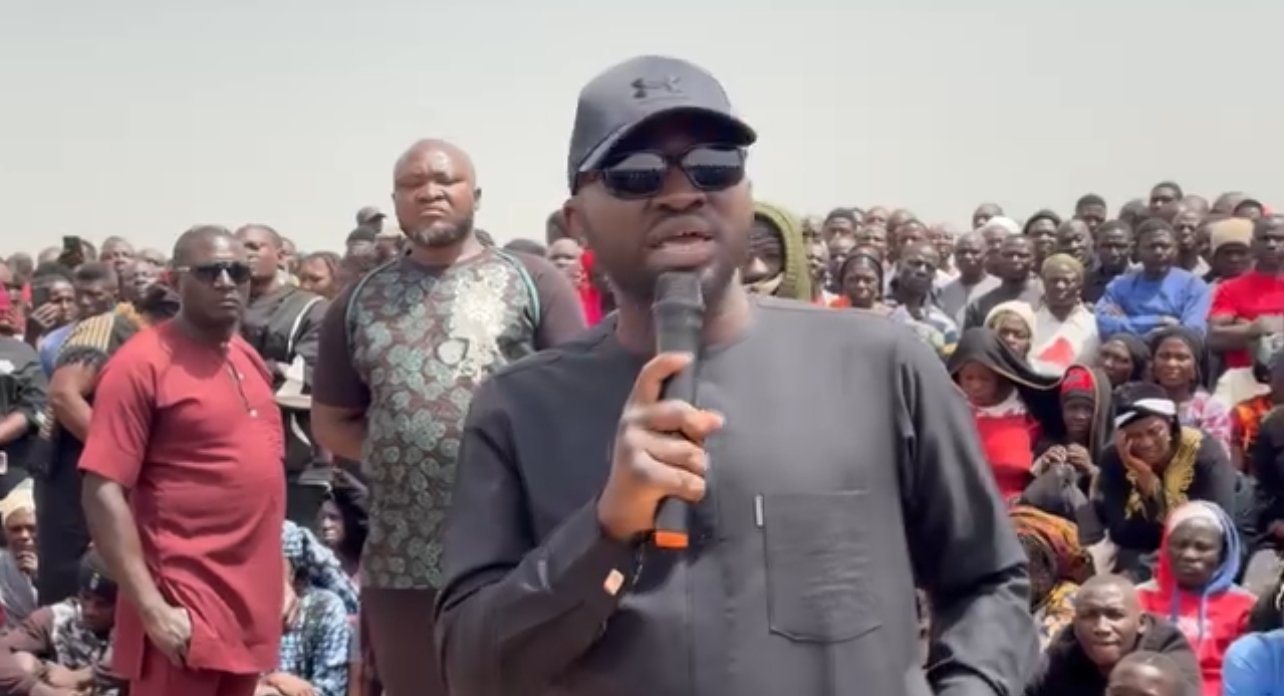
THIS ISSUES HAPPENED LAST WEEK AND WE KNOW THERE IS GOING TO BE RETALIATION”
Those words, spoken by a Plateau State Government official, may be among the most uncomfortable truths uttered in the aftermath of the latest killings in Plateau State.
The statement immediately demands an honest examination of What exactly were the “issues” he was referring to?
For years, discussions about violence in Plateau have often been reduced to a simplistic narrative of victims and aggressors. Every fresh attack triggers outrage, condemnation, and demands for justice. Rightly so. Innocent lives are being lost, communities are being destroyed, and families are being plunged into grief. But can the crisis truly be understood if only one side of the story is told?
Everyone knows the identity of those often blamed for attacks on Berom communities. They are Fulani Bandits. The media reports it. Activists discuss it. Government officials condemn it. National attention follows. Yet there is another question that is rarely asked with the same urgency:
Who kills the Fulani victims whose deaths later become the justification for reprisals and revenge attacks? (Berom Militia)
This question is not asked to excuse criminality. It is not asked to justify retaliation. It is asked because every cycle of violence has a beginning, and every reprisal has a preceding event.
When livestock are attacked, when herders are ambushed, when isolated settlements are raided, or when innocent civilians from any community are killed, such incidents deserve the same attention, documentation, and outrage as every other attack.
But No, instead whenever they attacked herders or rustled their livestock, the crises reporters will then use their platforms to issue Threat Alert knowing fully well that reprisal may happened and push to security forces and asked them to defend the community from attack. Then you will hear that another attack has happened. Then the youths will gather to blame security agencies for not acting fast after alerting them.
The whole society will now come out to condemn the killings while remaining silent in the earlier attacks which trigger the retaliation. The justification they always give for killing herder or attacking livestock is that it is an act of self defense. But HOW?
As it is there is no hope to break the cycle of violence when the society only demands justice for one victim while ignoring the suffering of another, while refusing to acknowledge all the actors and all the victims involved.
The tragedy of Plateau is that too many people have become trapped in narratives of FALSEHOOD. One side sees only its dead. The other side sees only its own losses. In between lies the truth, a long chain of attacks, reprisals, counter-reprisals, and unresolved grievances that continue to consume innocent lives, while youths who receive dollars to push false Propaganda continue to smile to the banks at the detriment of the lives of their people.
The greatest disservice being done to Plateau today is not merely the violence itself. It is the refusal by some commentators, activists, and sections of the media to examine the full picture.
Peace cannot be built on selective memory. Justice cannot be built on selective reporting.
And reconciliation cannot be built on narratives that recognize only some victims while erasing others.
If Plateau is ever to escape this endless cycle of bloodshed, every killing must matter. Every victim must count. Every attack must be investigated. And every perpetrator, regardless of ethnicity, religion, or affiliation, must be held accountable.
A society that can predict retaliation before it happens is a society trapped in a cycle it has failed to confront honestly.
The question is no longer whether there will be another reprisal.The question is whether Plateau is finally prepared to acknowledge the full truth behind the violence before more innocent people pay the price.