Pastors, activists, Nigerians defend Kwankwaso against alleged US sanctions over religious freedom claims
By: Zagazola Makama
Religious leaders, political activists, and citizens have defended former Kano State Governor and New Nigeria Peoples Party (NNPP) National Leader, Senator Rabiu Musa Kwankwaso, following reports that a US congressional bill, the Nigeria Religious Freedom and Accountability Act 2026 (H.R. 7457), may list him among individuals accused of “severe religious freedom violations.”
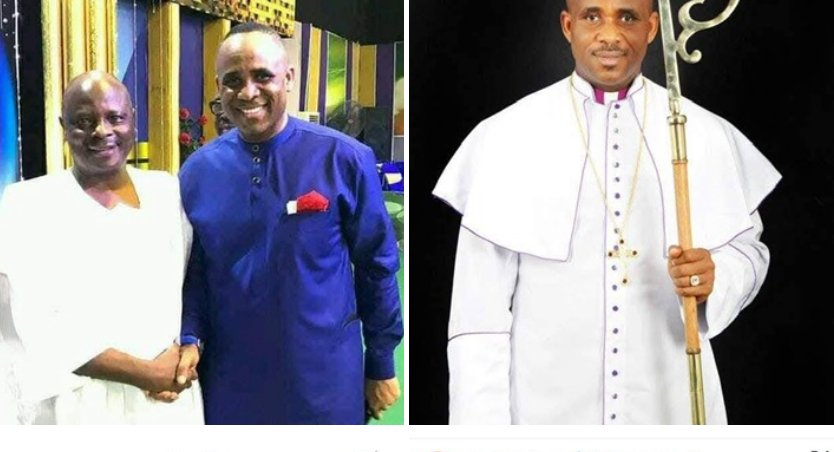
In a letter to the US Congress, Archbishop-Designate and Presiding Bishop of God First Ministries International, Bishop Isaac Idahosa, expressed deep concern over what he described as “inaccurate information” about Kwankwaso. Bishop Idahosa, who ran as Kwankwaso’s vice-presidential candidate in the 2023 elections, affirmed that the former governor has never been linked to religious extremism, killings, or sectarian violence.
“Throughout our campaign, Senator Kwankwaso promoted democracy, unity, development, and peaceful coexistence among all Nigerians, regardless of faith or ethnicity,” Bishop Idahosa wrote. “I would not have accepted to serve as his running mate if he held extremist views.”
Other Nigerians also came forward in support of Kwankwaso. Wadzani Apagu said, “We are all witnesses that Kwankwaso has never condoned terrorism during his time in public office. He ensured that Boko Haram had no foothold in Kano during his tenure. How, then, can he be described as a terrorist sympathizer?”
Haroune Muhammed added: “I also haven’t seen a single word from those who were loudly preaching admiration for him when it suited their political realignment. Apparently, solidarity has an expiry date once the optics change.”
Moses Ochonu observed that allegations linking Kwankwaso to religious persecution are unfounded. “He did not initiate criminal Sharia law implementation in Nigeria. He was even a reluctant implementer as governor, bowing to popular pressure for political expediency. There is no evidence that he subsequently persecuted Christians.”
Daniel Magaji, a Kano-born Christian, said: “Kwankwaso is not a religious extremist. No governor protected Christians and non-indigents in Kano like him, one of the reasons he lost his reelection in 2003.”
Jafar Jafar, a Media Personality highlighted Kwankwaso’s principled stance during the 2003 Sharia debate, stating, “Kwankwaso’s only crime against the Republicans is his patriotic condemnation of Trump’s threats to attack his country.
He opposed extremist policies, yet many fail to see him as the opposite of a religious extremist.” He added that Kwankwaso’s loss to Ibrahim Shekarau was due to political opposition from fanatics who sought harsher Sharia enforcement.
The Kwankwasiyya Movement, in a press statement, condemned the proposed sanction as “misinformation and selective targeting” and called on the US Congress to remove Kwankwaso’s name. The movement stressed that Sharia-based legal systems exist in multiple northern states and that singling out Kwankwaso without evidence is unjust.
Political analysts and commentators also defended the former governor. During his tenure as Minister of Defence under President Olusegun Obasanjo, Kwankwaso implemented reforms that professionalized the Nigerian military, strengthened civil-military relations, and ensured protection of citizens across religious divides. He coordinated with traditional leaders and Christian organizations to maintain peace in conflict-prone states like Plateau and Kaduna, emphasizing humanitarian responses over retaliation.
Essayist Awaisu Yusuf noted, “Kwankwaso consistently called for the protection of all Nigerians, Christian and Muslim alike, and urged the international community to support Nigeria’s internal peacebuilding efforts rather than inflame divisions through biased reports. His interventions reminded the world that Nigeria’s problem is injustice, not religion; exclusion, not faith.”
Kwankwaso’s defenders illustrated his contributions as Governor of Kano State, where his administration promoted educational empowerment, youth development, and national unity. He is widely regarded for opening thousands of schools, providing scholarships, and ensuring inclusive governance for Christians, Muslims, and minorities alike.
Observers argue that the controversy reflects a broader challenge of misinformation influencing foreign policy. Activists warn that targeting Kwankwaso without a careful review of historical facts could undermine US credibility in assessing religious freedom and governance issues in Nigeria.
The Kwankwasiyya Movement concluded that Senator Kwankwaso is a nationalist, democrat, and statesman whose public service has consistently been anchored on justice, unity, and inclusive governance. They urged the US Congress to exercise fairness and due diligence, and to refrain from using its legislative powers to settle political scores or propagate misinformation.