Relentless Pressure on Terrorists Remains the Pathway for Nigeria
By Samuel Aruwan
Civilian populations and military forces across the Sahel have endured repeated attacks in recent weeks, with devastating human and infrastructural losses. In Nigeria, Maiduguri, the capital of Borno State, was struck by a coordinated bombing campaign on Monday. Explosions tore through the Monday Market Roundabout, the Post Office, and the gate of the University of Maiduguri Teaching Hospital, claiming dozens of civilian lives and leaving many others injured. In Burkina Faso, the town of Titao in the North Region witnessed a major assault on a military installation. In Mali, a convoy near Nampala in the Ségou Region was ambushed, while Tessit in the Gao Region came under a complex attack that caused casualties among soldiers and civilians. In neighbouring Niger, a military drone base in the Tahoua Region was also targeted.
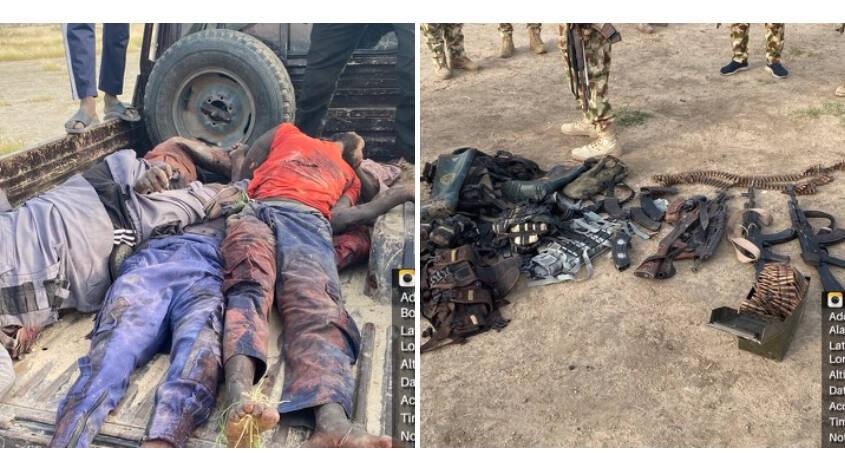
These incidents underline the persistent and transnational character of the terrorist threat across fragile Sahelian borders. Despite these pressures, the Nigerian military continues to record operational gains and deserves recognition. In my article titled “Operation Hadin Kai’s Decisive Victory in the Timbuktu Triangle,” I highlighted the results of a meticulously planned offensive in which troops penetrated the forested heart of the deadly Timbuktu Triangle, dismantled terrorist networks, captured detention facilities, and disrupted logistics corridors that had sustained insurgent operations for years.
In the face of renewed violence, displacing terrorist elements through sustained and coordinated pressure remains one of the most realistic pathways to containing insecurity, restoring order, and reinforcing public trust. Such an approach must be deliberate and continuous, extending across border corridors shared with neighbouring states confronting the same threat.
Experiences elsewhere reinforce this principle. In Egypt, the response to insurgency in the Sinai has been firm and sustained. Large-scale operations integrating land, sea, and air forces targeted terrorist hideouts, severed supply routes, and strengthened security around vital facilities. Dozens of terrorists were neutralised, weapons depots destroyed, and explosives seized. The defining feature was continuity. Operations did not pause long enough for networks to regain balance.
Tunisia provides another example. In early January 2026, security forces foiled a planned terrorist attack in Fériana, Kasserine governorate, neutralising the ringleader, Seddik El Abidi, and arresting his accomplice near a weekly market. Official figures for 2025 indicate that Tunisian authorities dismantled sixty-two terrorist cells and arrested more than two thousand suspects in sustained preventive operations. Constant disruption prevented consolidation and denied extremist networks breathing space.
Nigeria’s experience in the North-East reflects the same pattern. Whenever security forces advanced into insurgent enclaves, reclaimed territory, and dismantled camps, attacks declined and communities gradually resumed farming and commercial activity. When operational tempo slowed due to constraints, adversaries attempted to regroup. The lesson is clear. Momentum must be preserved. Security planning should prioritise continuous engagement of hostile elements across forests, border communities, and remote corridors. Local intelligence remains indispensable, as residents often detect unusual movements long before formal channels are activated.
Sustained pressure yields strategic advantages. It strips terrorists of freedom of movement and denies them initiative. Once forced out of entrenched positions, they lose the capacity to assemble forces or dictate the pace of violence. Cohesion weakens as fighters disperse into smaller cells. Communication becomes risky, morale declines, and internal coordination deteriorates. Recruitment narratives lose appeal when groups cannot hold ground or project strength. Equipment and supply caches abandoned in flight expose networks and funding lines. Visible operational dominance also reassures communities that the state retains control of the security environment.
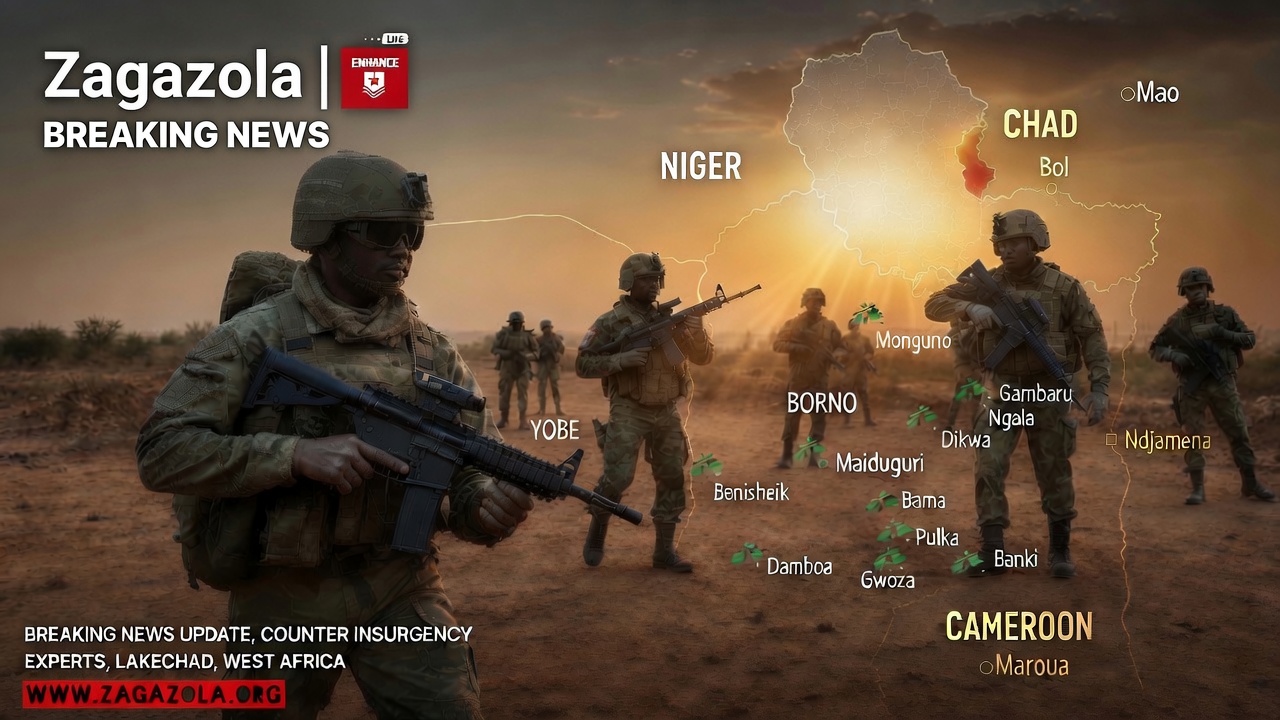
Military effort, however, must be matched by action on other fronts. Terror networks depend on ransom, smuggling, and cross-border criminal enterprise. Financial disruption weakens their ability to procure arms and sustain logistics. Border management therefore requires close coordination with neighbouring countries. Nigeria’s long frontiers with Niger, Chad and Cameroon are frequently exploited by terrorist groups seeking mobility and concealment. Intelligence sharing, joint patrols, and operational cooperation reduce that advantage and reinforce collective security across the region.
Holding recovered areas is equally vital. Cleared communities must not revert to ungoverned spaces. Restoration of schools, health facilities, markets, and local administration should follow security gains without delay. Economic opportunity for young people reduces vulnerability to recruitment. Stabilisationconsolidates battlefield success and prevents cycles of relapse.
Sustaining this posture demands resources. Determination alone is insufficient. Political leadership must ensure timely and adequate support for defence and security institutions. Effective counterinsurgency requires air mobility, surveillance capability, protected transport, secure communications, and resilient supply chains. Budgetary commitments must translate into operational readiness. Delays or gaps in capability slow momentum and create openings for adversaries.
National security is not preserved through temporary advances. It is secured when violent actors are persistently denied territory, funding, and operational space. In my considered view, maintaining relentless and coordinated offensives that deny terrorists time to regroup remains the most credible pathway for Nigeria at this moment. As citizens, continued support for our security forces is essential. They stand as the shield of the nation and the embodiment of our collective sovereignty.
Aruwan is a postgraduate student at Ahmadu Bello University, Zaria.