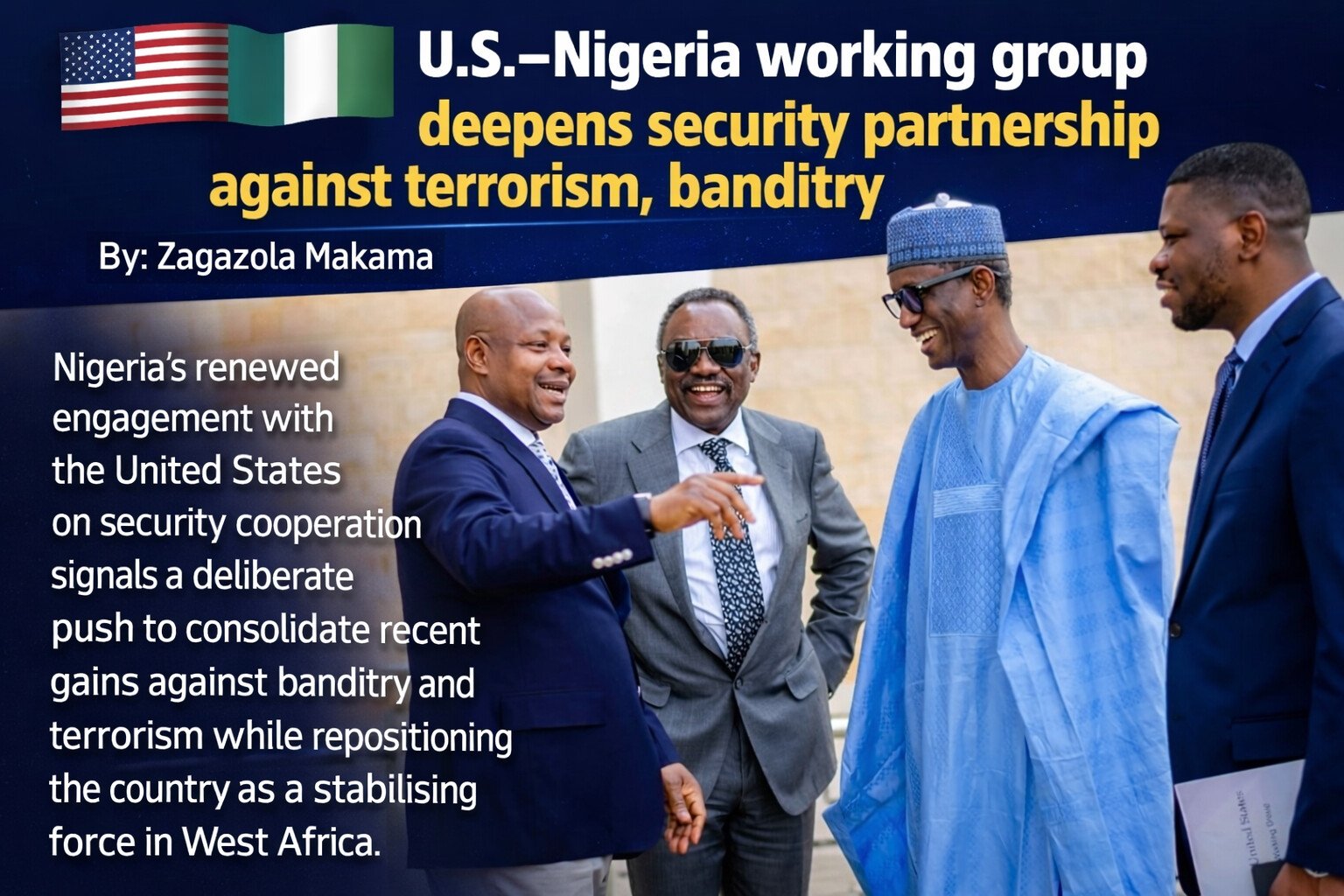
U.S.–Nigeria working group deepens security partnership against terrorism, banditry
By: Zagazola Makama
Nigeria’s renewed engagement with the United States on security cooperation signals a deliberate push to consolidate recent gains against banditry and terrorism while repositioning the country as a stabilising force in West Africa.
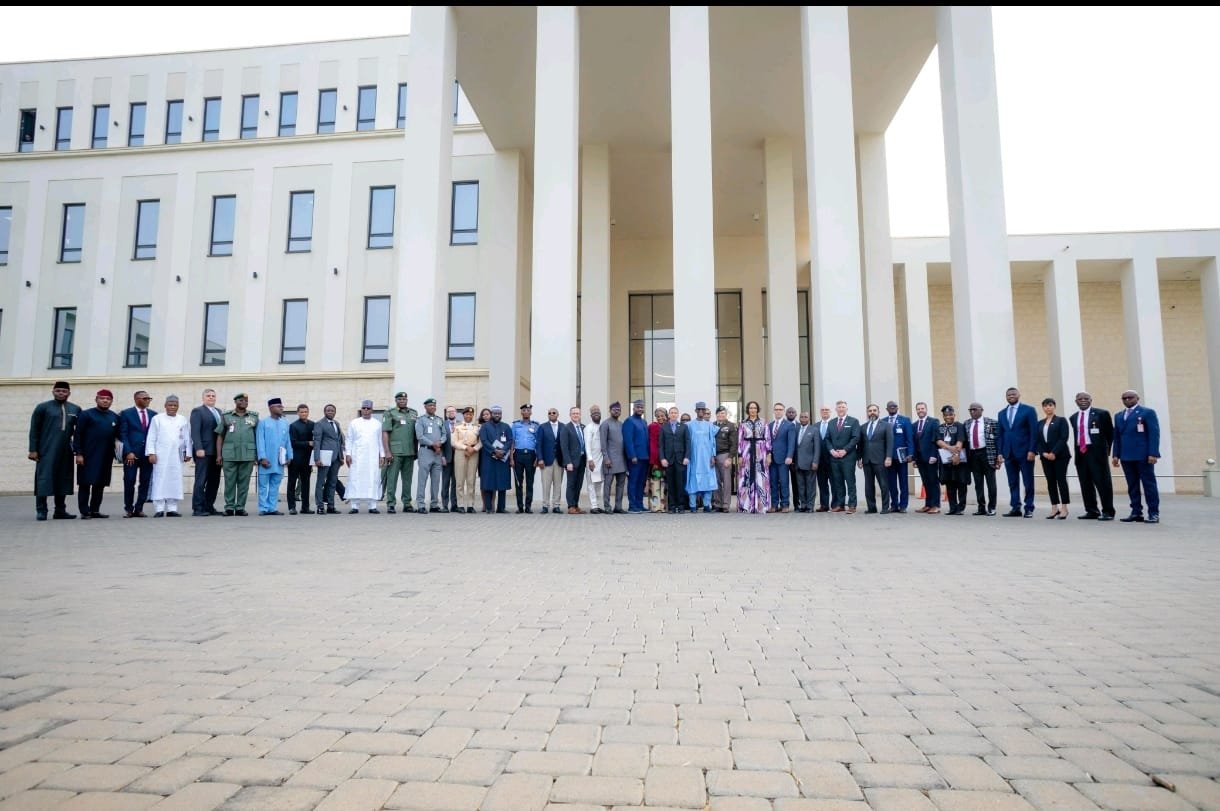
Nigeria has reaffirmed its strategic commitment to defeating banditry and terrorism and to strengthening national security through deeper collaboration with the United States, The National Security Adviser (NSA), Mallam Nuhu Ribadu, gave the assurance on Friday.
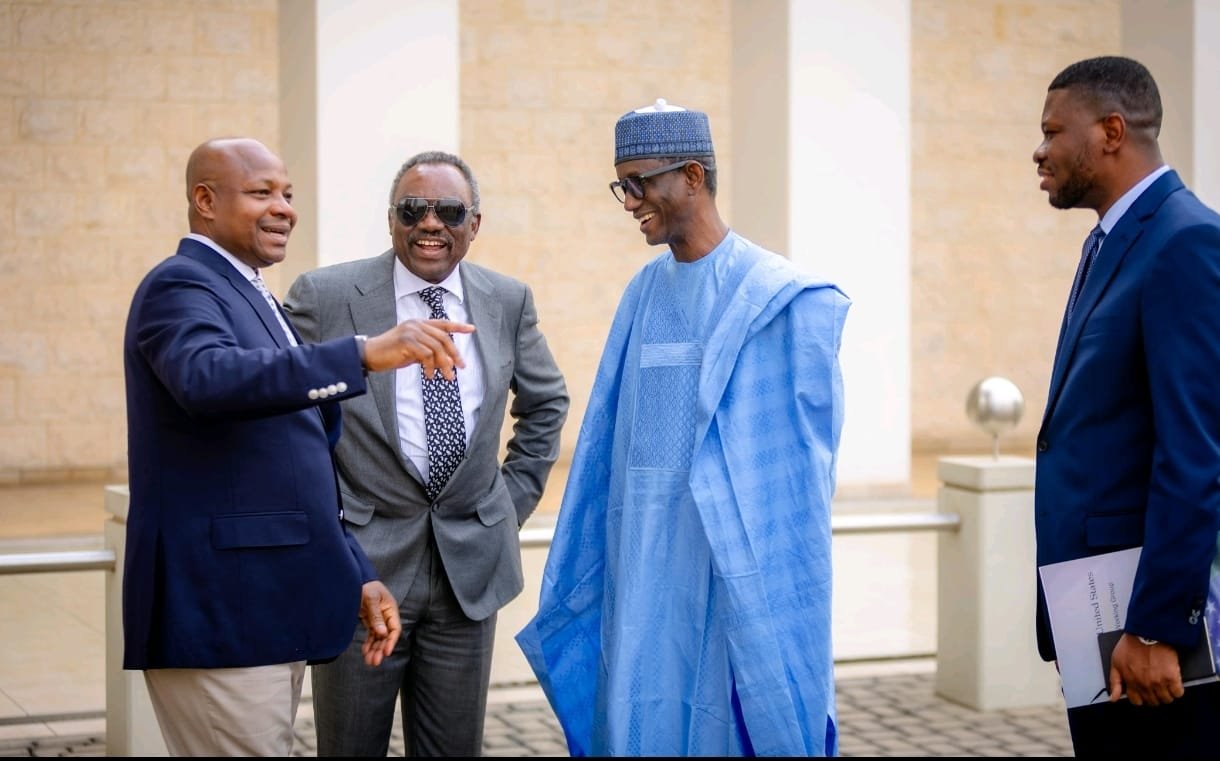
The strategic security session of the U.S.–Nigeria Working Group, hosted with a high-level U.S. delegation led by Allison Hooker, comes at a time when Abuja is recalibrating its counter-terrorism and internal security architecture.
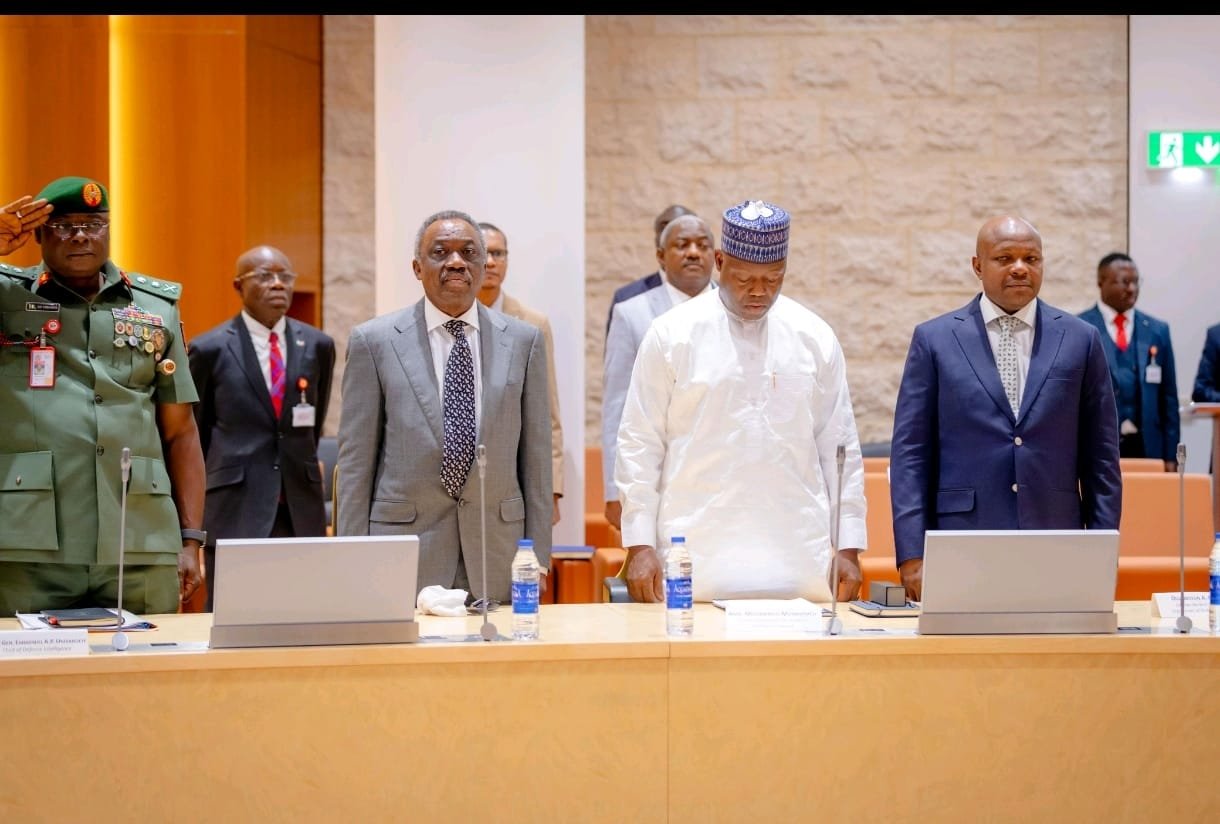
At the heart of the meeting was a shared recognition that modern security threats from insurgency in the North-East to banditry and communal violence in the North-West and North-Central, require intelligence-driven, partnership-based responses rather than isolated national efforts.

The presence of Nigeria’s Ambassador to the United States, H.E. Lateef K. K. Are, alongside the Service Chiefs and heads of the intelligence community, the CDS, COAS, CAS, CDI, CNS, IGP, DG-DSS and DG NIA, illustrated the political and operational weight attached to the engagement.
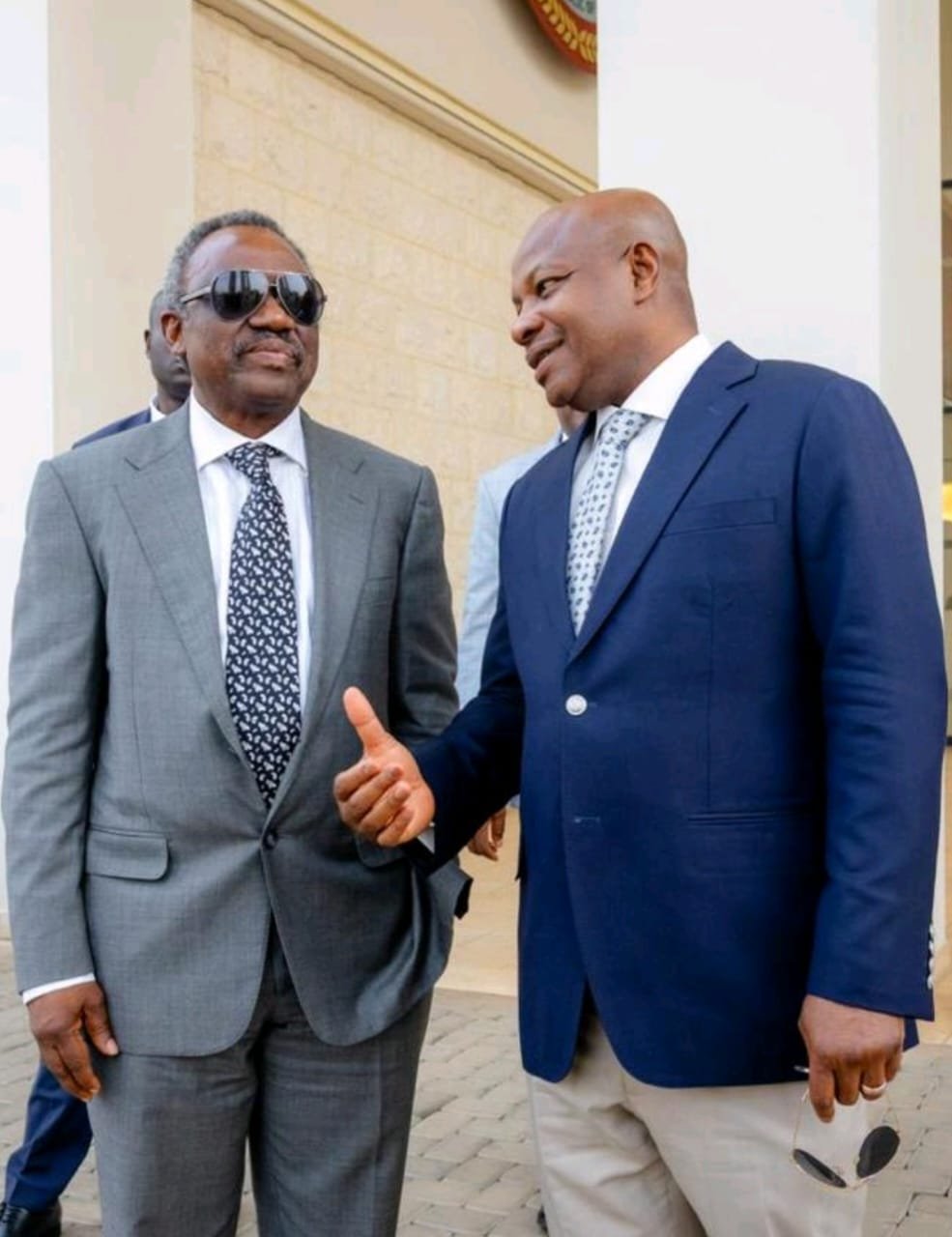
Beyond protocol, the talks reflected growing confidence in the professionalism of Nigeria’s security and intelligence institutions, which have in recent years shifted towards better coordination, joint operations and community-centred approaches.
The focus on intelligence cooperation is particularly significant as the intelligence sharing, when properly structured, enhances early warning systems, disrupts terror financing networks and improves the precision of military and law enforcement actions, reducing collateral damage and protecting civilians.
Equally important is the emphasis on community protection mechanisms. Nigeria’s security challenges are no longer confined to battlefields; they are deeply rooted in local grievances, weak governance and socio-economic stress. Strengthening community safety frameworks, therefore, complements kinetic operations by preventing recruitment into extremist and criminal networks.
The U.S. offer of support in defence articles, training, capacity building and counter-terrorism financing reflects Washington’s recognition that Nigeria remains a central pillar in regional security. As Africa’s most populous country and one of its largest economies, Nigeria’s stability directly affects the Sahel and the Gulf of Guinea.
Special attention to the protection of vulnerable communities, including Christian communities in Northern Nigeria, also signals a broader shift towards inclusive national security , one that frames protection of all citizens as a strategic imperative, not just a moral obligation.
The renewed U.S.–Nigeria engagement is expected to boost confidence in Nigeria’s security institutions, deepen intelligence-driven operations against terror networks and organised crime, and reinforce the country’s leadership role in promoting peace and stability across West Africa and the wider Sahel.