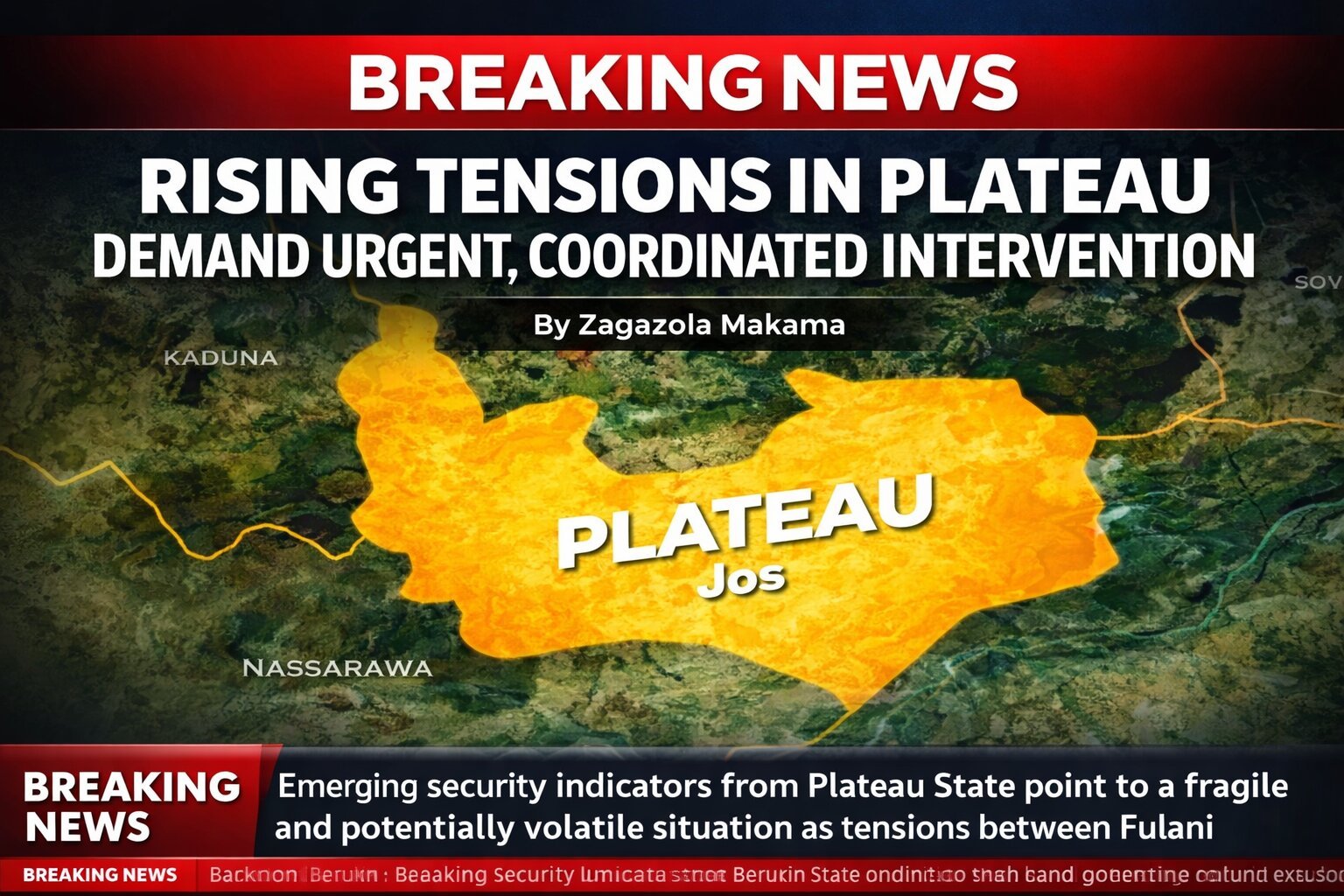
Rising Tensions in Plateau Demand Urgent, Coordinated Intervention
By: Zagazola Makama
Emerging security indicators from Plateau State point to a fragile and potentially volatile situation as tensions between Fulani pastoralists and Berom communities in Barkin Ladi and Riyom Local Government Areas show signs of spreading toward the Jos metropolitan axis.
Security observers warn that without swift and carefully calibrated intervention, the current pattern of killings and reprisal attacks could degenerate into a broader ethno-religious crisis reminiscent of past upheavals that once paralysed the state and reverberated across parts of Northern Nigeria.
For years, rural communities in Riyom and Barkin Ladi have experienced recurrent clashes linked to grazing routes, land use disputes and cycles of retaliation. However, recent developments suggest that the tension is no longer confined to agrarian flash zones.
Jos North and Jos South Local Government Areas , historically sensitive due to longstanding disputes over indigeneship, political representation and religious identity, are now recording heightened anxiety linked to incidents in the hinterlands.
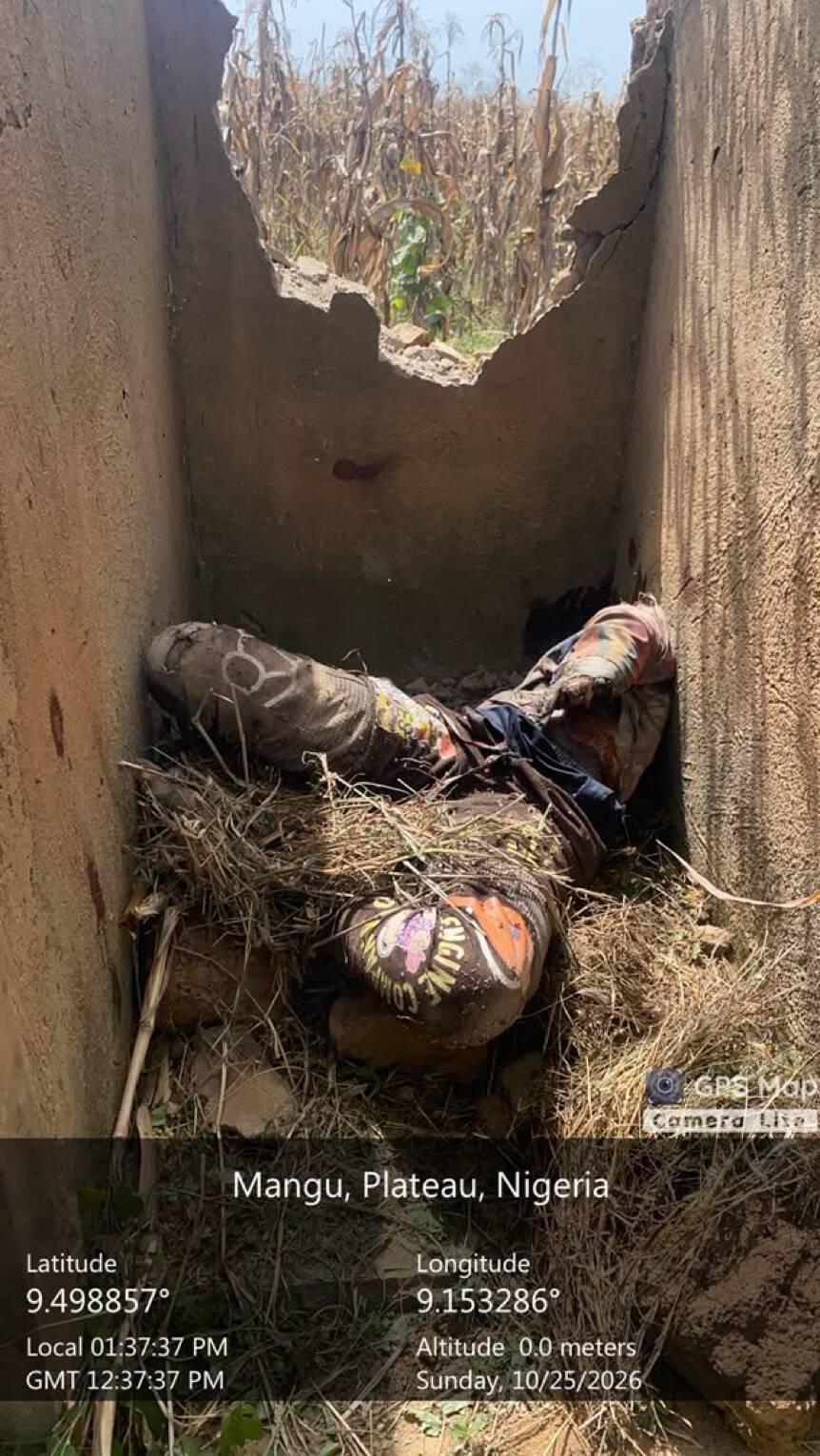
Particularly concerning are reports of killings involving youths from Jos North while transiting through Barkin Ladi. Such incidents risk reframing what had been largely rural land-use conflicts into a broader ethno-religious confrontation within the Jos township, long regarded as a symbolic and demographic fault line.
Jos’ strategic location in the North-Central corridor further raises the stakes. Historically, major unrest in Plateau has had spillover effects into neighbouring states, including Kaduna, Bauchi and Kano, where sectarian sensitivities remain latent but potent.
Recent intelligence point to the crystallisation of hardline positions among youth groups on both sides. Berom youth elements have reportedly issued ultimatums prohibiting grazing activities in parts of Barkin Ladi, citing recent killings as justification. Conversely, Fulani youth groups are said to have rejected such demands and pledged to sustain established grazing patterns.
Zagazola warn that ultimatums of this nature are structurally incompatible and tend to narrow the space for negotiation. Left unaddressed, they create an environment in which symbolic defiance becomes more important than compromise, increasing the likelihood of confrontation.
Religious and traditional leaders across affected communities retain significant grassroots influence. Yet it was noted that structured, proactive mobilisation of these actors toward de-escalation has not reached the intensity required by the moment.
Plateau’s past recovery from large-scale violence was partly driven by interfaith dialogue platforms and the moral authority of respected community figures who framed peace as a shared survival imperative. A similar mobilisation is urgently required.
Equally important is the posture of the state. In polarised environments, perceptions often carry as much weight as actions. Confidence-building measures that visibly demonstrate neutrality and inclusiveness are considered critical to preventing narratives of bias from taking root.
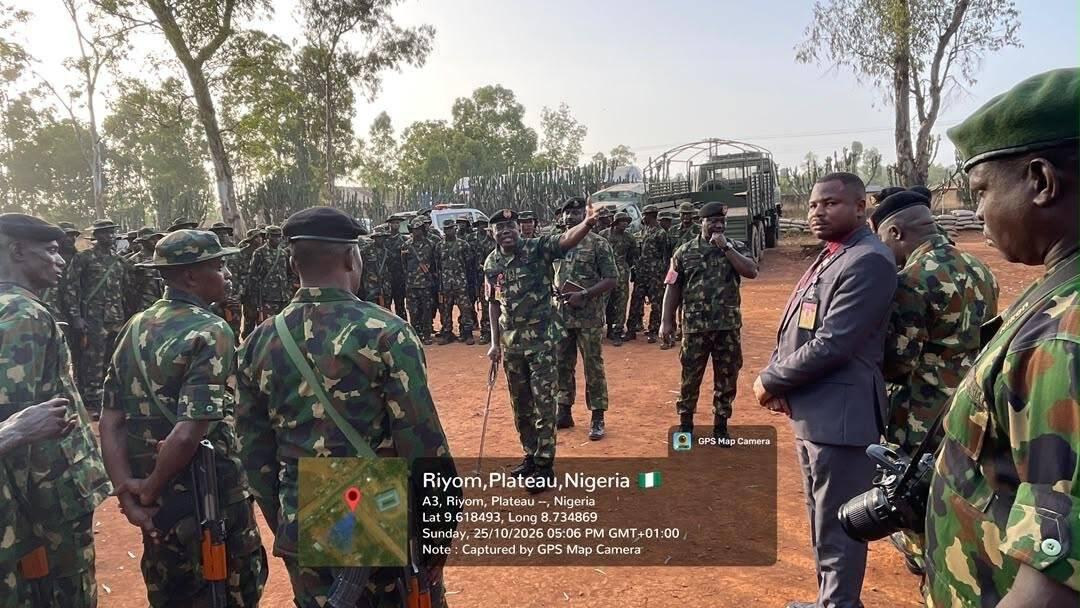
Another emerging concern relates to allegations of unprofessional conduct by some security personnel in affected areas. Though such claims remain under review, experts caution that even isolated incidents can erode public trust and complicate stabilisation efforts.
Effective counter-conflict operations require not only tactical capability but also legitimacy. Maintaining discipline, transparency and accountability within security deployments is therefore essential to preserving operational credibility.
Beyond immediate containment, emphasise should be taken that Plateau’s recurrent crises are deeply rooted in structural issues: land tenure ambiguity, demographic pressure, youth unemployment, historical grievances and politicisation of identity.
A purely reactive security response, while necessary in the short term, cannot substitute for sustained political engagement, institutional reform and economic inclusion.
The current moment presents both danger and opportunity. Danger, because escalating rhetoric and retaliatory cycles could rapidly overwhelm existing security architecture. Opportunity, because early, coordinated intervention can prevent escalation and reinforce lessons learned from past crises.
Urgent synchronised engagement across Riyom, Barkin Ladi, Jos North and Jos South LGAs is essential to prevent displacement of conflict from rural to urban centres. De-escalation efforts must be simultaneous and inclusive to avoid creating vacuums that hostile actors could exploit.
Dialogue with youth leaders, activation of religious and traditional networks, reinforcement of neutral security posture and strategic communication to counter inflammatory narratives are widely viewed as immediate priorities.
Plateau’s stability remains central not only to its residents but also to the wider North-Central geopolitical zone. The trajectory of events in the coming days will likely determine whether the state consolidates its fragile calm or slides back into a cycle of confrontation.
The window for preventive action remains open but narrowing.
Zagazola Makama is a Counter Insurgency Expert and Security Analyst in the Lake Chad Region