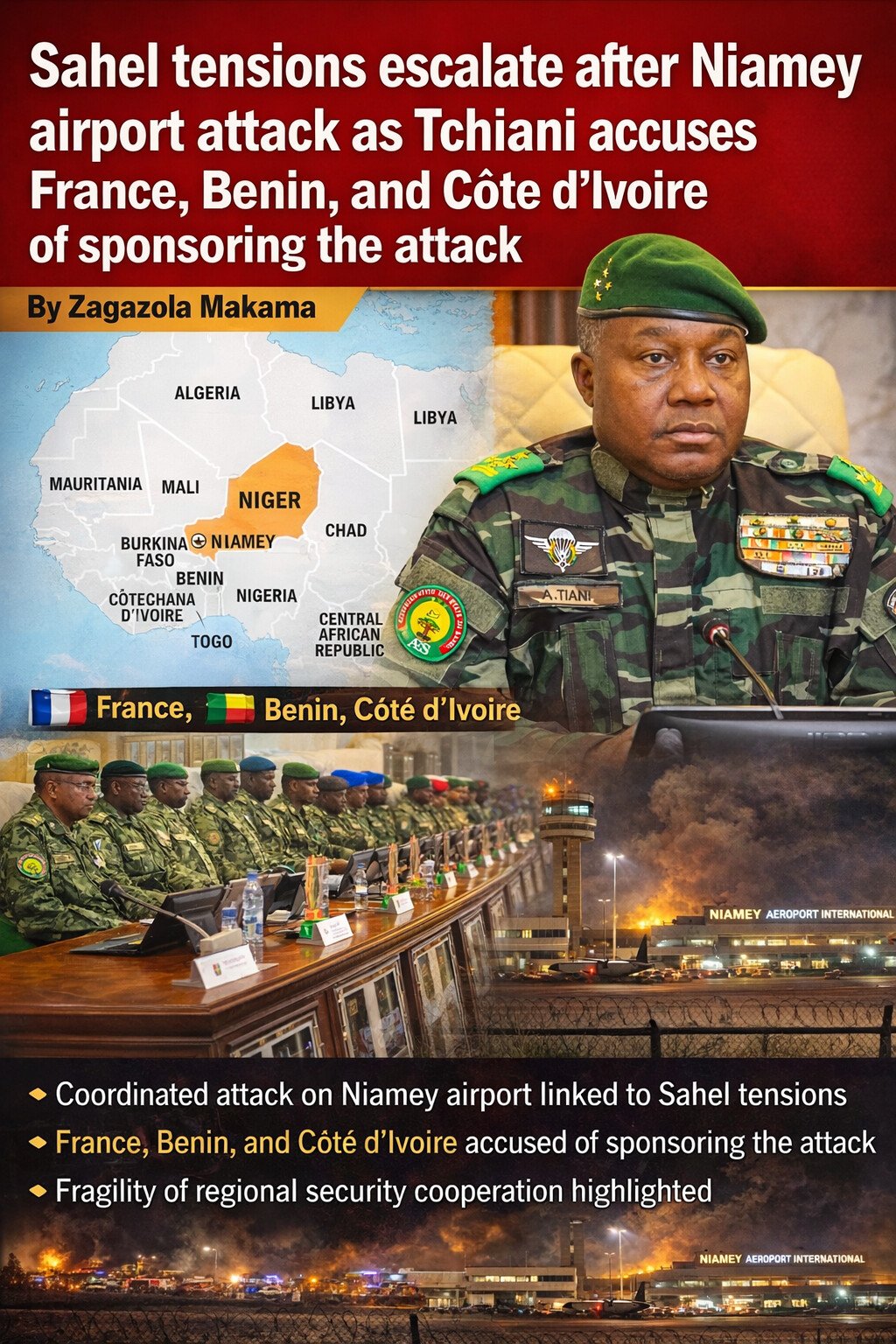
Sahel tensions escalate after Niamey airport attack as Tchiani accuses France, Benin, and Côte d’Ivoire of sponsoring the attack
By: Zagazola Makama
A coordinated attack on Dori Hamani International Airport in Niger’s capital has raised alarm over the growing audacity of armed groups in the Sahel and the fragility of regional security cooperation. The assault, which lasted several hours on the night of 28–29 January, was carried out by armed assailants mounted on motorcycles who switched off their headlights to infiltrate the city undetected.
The attackers reportedly targeted military installations co-located with the civilian airport, including drone platforms, air defense systems, and commercial aircraft belonging to Air Côte d’Ivoire and ASKY Airlines. Mortars, drones, and small arms were used in the attack.
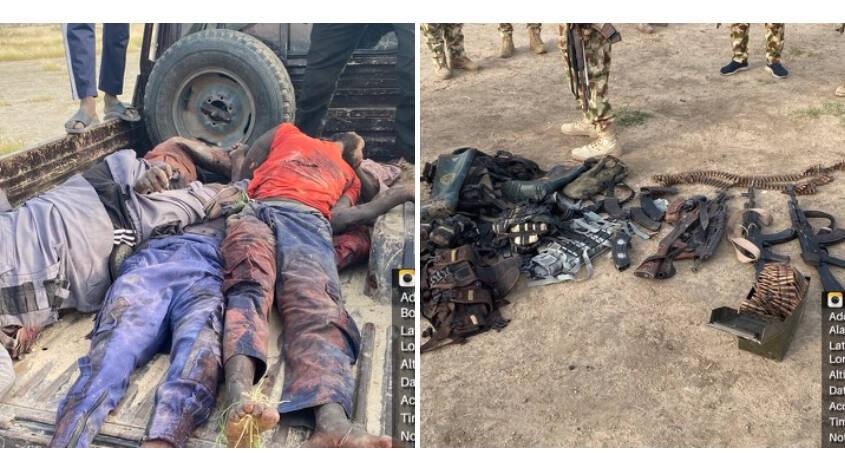
The Nigerien Defense and Security Forces, with the support of Russian African Corps personnel, repelled the assault, sustaining four injuries among security personnel. Twenty assailants were neutralized, 11 apprehended, and several motorcycles destroyed or seized. Civilians were unharmed.
The incident drew immediate attention due to its proximity to the presidential residence and the sensitive nature of the site, which houses an operational air force base, a newly constructed drone facility, and the headquarters of a tri-national counterterrorism force involving Niger, Mali, and Burkina Faso.
The airport is also a storage point for uranium awaiting export, an element at the heart of ongoing tensions with the French nuclear company Orano, which claims Niger has expropriated the shipment.
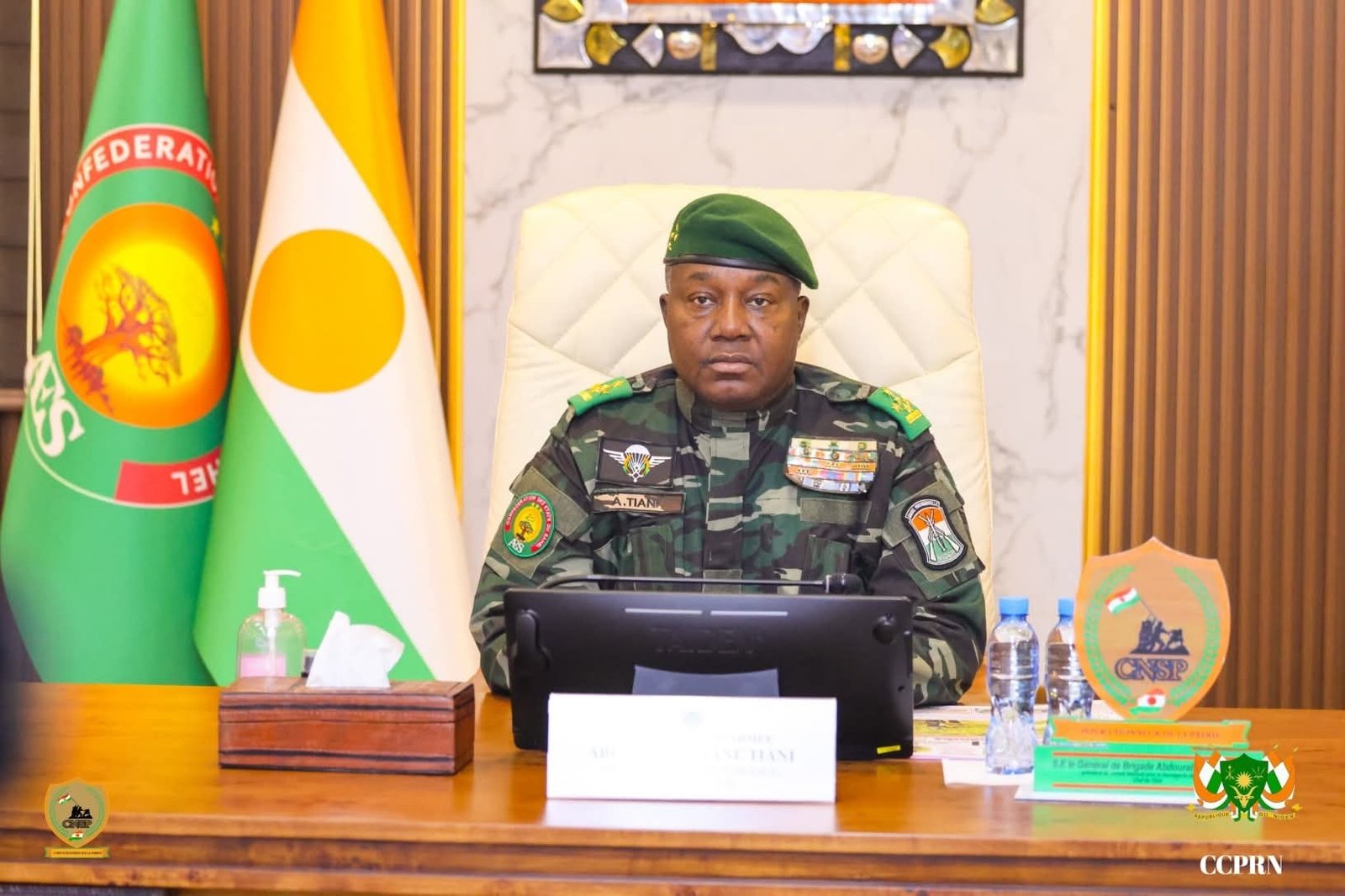
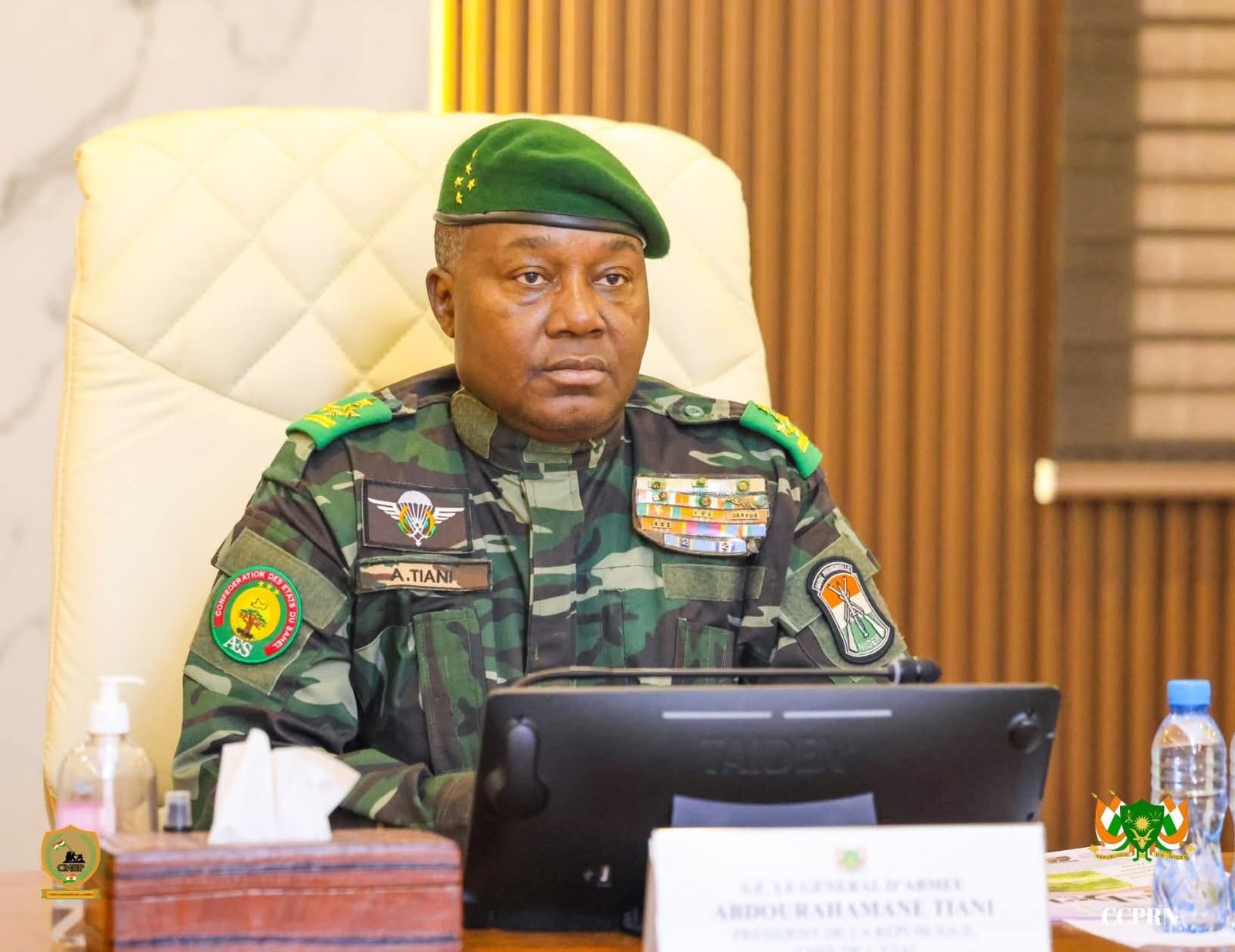
Niger’s junta leader, General Abdourahamane Tiani, publicly accused France, Benin, and Côte d’Ivoire of sponsoring the attack. In strong language, he warned:
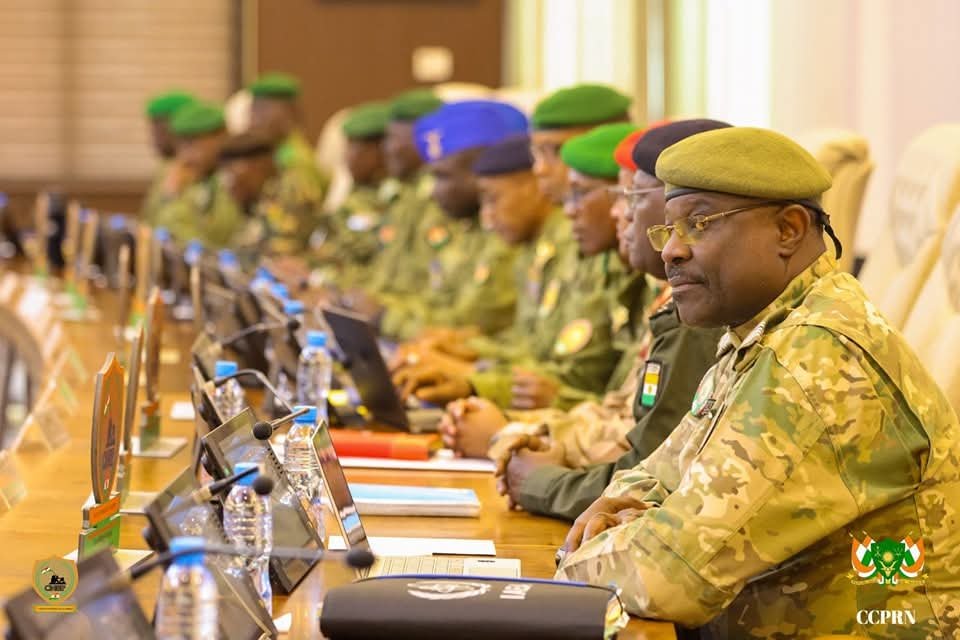
“We have heard enough barking from the sponsors of these mercenaries… they too will soon hear from us.” The president further linked the assault to foreign opposition against the alleged transfer of 1,000 tonnes of uranium to Russia, though these claims remain unverified.
The attack’s execution has drawn comparisons to the September 2024 assault on Modibbo Keita International Airport in Bamako, Mali, where JNIM openly claimed responsibility. Unlike the Bamako attack, however, no group has claimed the Niamey attack, and some operational patterns differ from the known tactics of JNIM, raising questions about the perpetrators’ identities and motives.
The Niamey incident exposes multiple vulnerabilities. It mirrors the risk posed by mobile, lightly armed attackers capable of striking highly sensitive sites in urban areas. It also draws attention to the gaps in intelligence sharing and regional cooperation, as well as the potential for political disputes to exacerbate security threats.
The immediate public accusation against foreign states, without verifiable evidence, risks inflaming diplomatic tensions and complicating Niger’s relationships with key regional partners.
Zagazola noted that the attack may represent a new phase in the operational boldness of Sahel armed groups, capable of simultaneously exploiting urban vulnerabilities and testing the response of state and allied forces. Niger’s authorities face the dual challenge of strengthening perimeter security while managing sensitive international relationships, particularly as accusations of uranium diversion and foreign interference surface.