JNIM Fighters Intensify Pressure on Bamako Supply Routes Amid Growing Security Concerns in Mali
By: Zagazola Makama
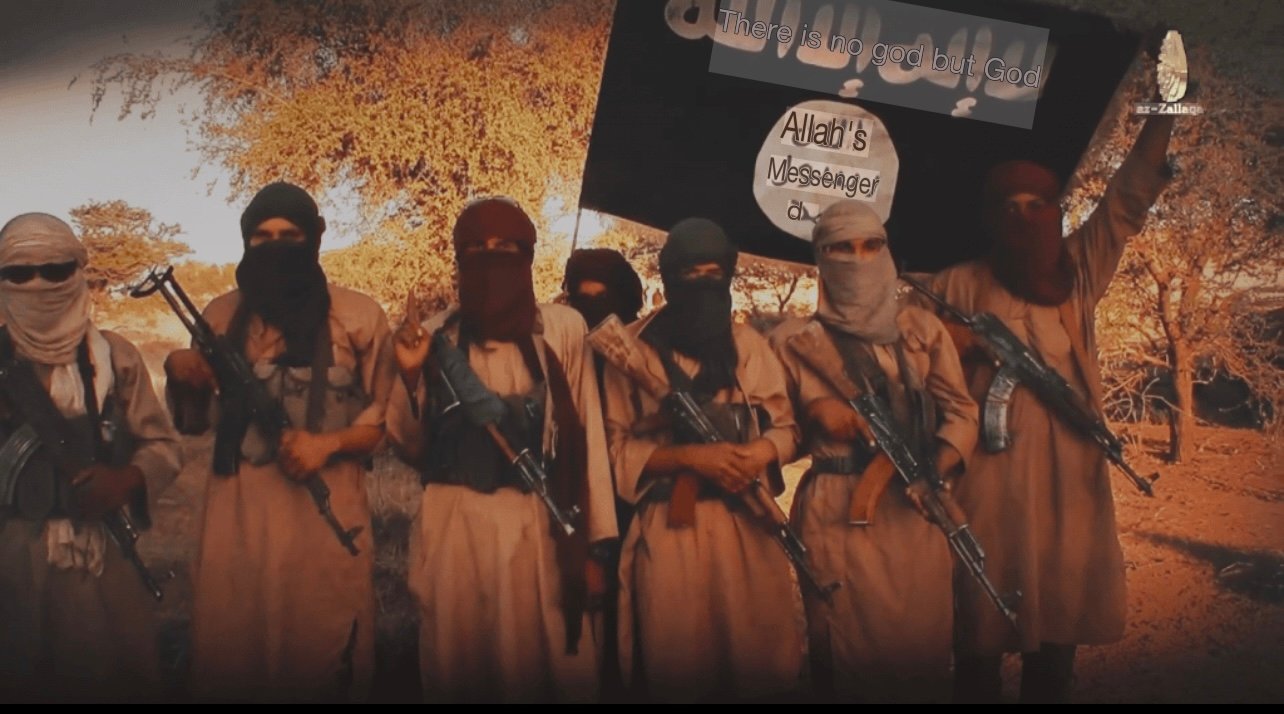
Armed fighters linked to Jama’at Nusrat al-Islam wal-Muslimin (JNIM) have intensified attacks along key transport corridors in southern Mali, raising fresh concerns over the country’s deteriorating security situation and the growing vulnerability of routes leading to the capital, Bamako.
Security sources and local reports indicated that several commercial buses and cargo trucks were intercepted and set ablaze on May 9 along the strategic Sikasso-Bougouni highway despite prior warnings allegedly issued by JNIM elements operating in the region.
The attacks reportedly occurred barely 48 hours after Mali’s Foreign Affairs Minister, Abdoulaye Diop, assured diplomats in Bamako that the state remained firmly in control of the security situation and that ongoing military “reorganisation” efforts were progressing effectively.
According to local accounts, armed fighters also attacked the village of Zambougou, located about 45 kilometres from Ségou on the road toward Bamako.
The village, reportedly hosting a pro-government militia allied with the Malian Armed Forces (FAMa), was allegedly set on fire during the assault.
Residents said militia members fled the area during the attack, leaving civilians stranded as homes and property were destroyed.
Similar incidents were reported in the Sanankoro Bani area, where additional buses were reportedly burned by armed groups operating along the corridor.
The attacks have heightened fears that insurgent groups are steadily tightening pressure on transport and supply routes critical to Bamako’s economic and logistical stability.
Transport operators and residents in affected regions described growing anxiety over movement along major highways linking southern and central Mali to the capital.
The latest incidents appear consistent with a broader insurgent strategy aimed at isolating Bamako through progressive disruption of transport corridors, supply chains and commercial movement.
“The pattern emerging is not random violence,” a regional security observer said.
“It increasingly resembles a deliberate strategy of economic and psychological pressure targeting the state’s ability to maintain normal activity and public confidence.”
The attacks also underscore the widening gap between official government messaging and realities on the ground, according to analysts monitoring the conflict.
In his May 7 briefing with diplomats, Diop had accused unnamed foreign actors of attempting to destabilise Mali while insisting that state institutions remained operational and effective.
However, critics argue that the repeated attacks on highways, military positions and civilian infrastructure reflect persistent weaknesses in the country’s security architecture despite the junta’s assurances.
Insurgent activity has expanded significantly in recent weeks across northern, central and southern Mali, targeting not only military facilities but also transport networks, energy infrastructure and commercial routes.
The ruling military government, led by Assimi Goïta, has repeatedly defended its security strategy since severing military ties with France and strengthening cooperation with Russian military partners.
Nevertheless, insecurity has continued to spread in several regions despite intensified military operations.
Zagazola warned that attacks on major highways could have severe economic consequences if sustained over time, particularly as Mali already faces inflationary pressures, fuel shortages and rising transportation costs.
“The danger is not only military. When commercial traffic slows and populations begin to fear movement between cities, the economic and psychological effects become significant.”
Local residents in parts of central and southern Mali have increasingly expressed concern over insecurity on roads previously considered relatively stable compared to conflict zones in the north.
Humanitarian organisations also warned that disruptions along key transport corridors could affect delivery of food supplies, medical assistance and other essential goods to vulnerable communities.
As of the time of filing this report, Malian authorities had not issued a detailed official statement regarding the attacks on the Sikasso-Bougouni axis.