Inside Operation HADIN KAI: Gains, Evolving Threats and the Battle for Narrative in Nigeria’s North-East
By: Zagazola Makama
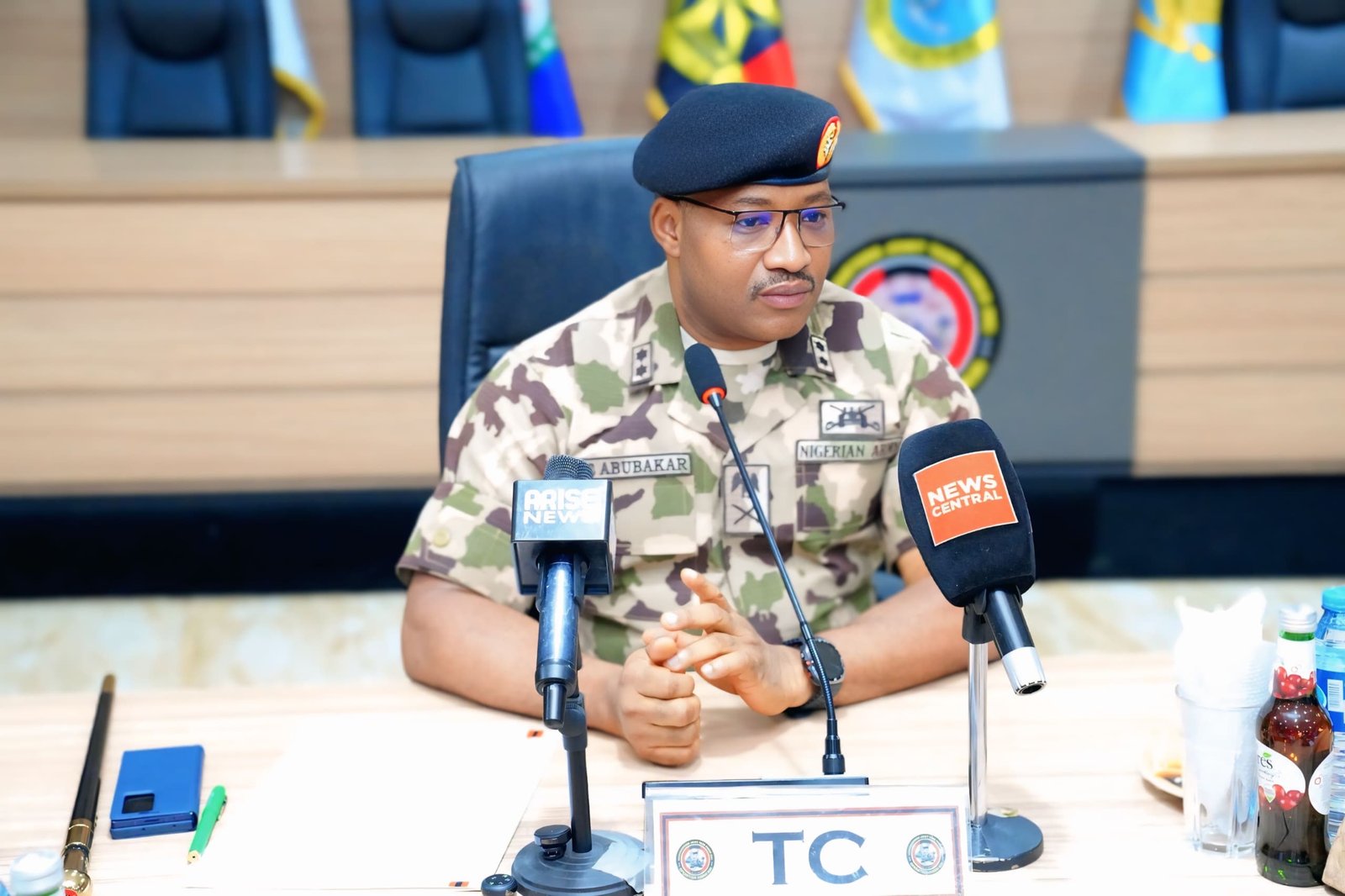
The Theatre Commander, North-East Joint Task Force, Operation HADIN KAI, Maj.-Gen. Abdulsalam Abubakar, says Nigeria’s counter-insurgency campaign has recorded significant operational gains, but warns that evolving tactics by terrorist groups and the complex nature of asymmetric warfare continue to pose serious challenges.
Abubakar made this known on Wednesday during a media briefing in Maiduguri, where he outlined recent successes, emerging threats, and the critical role of public support and responsible reporting in sustaining military momentum.
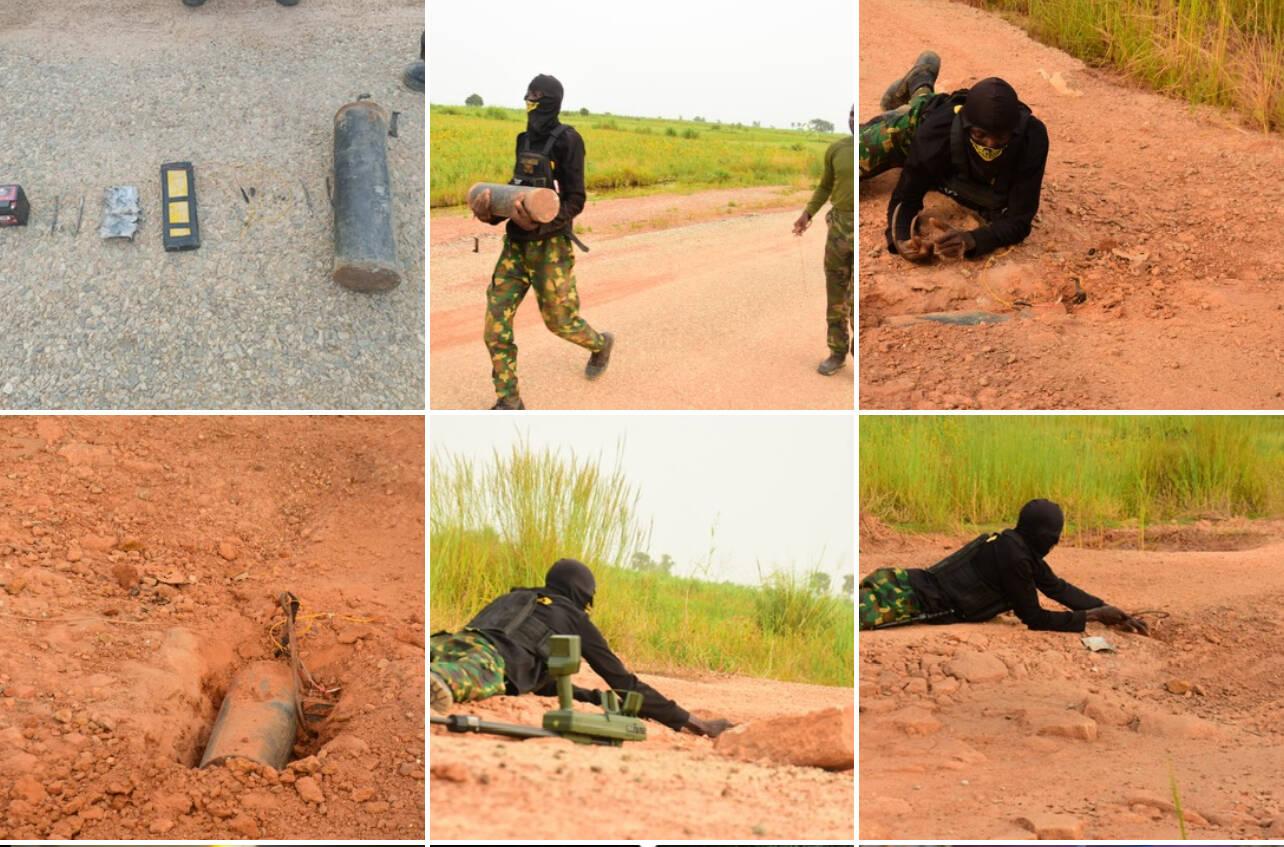
According to him, troops have, between April 25 and date, neutralised 1,052 terrorists, rescued hostages including seven civilians, and recovered 464 assault rifles, while also discovering and detonating 284 improvised explosive devices (IEDs).
He added that troops intercepted more than 1,875 bags of logistics supplies meant for terrorists and arrested over 553 suspects, including logisticians and collaborators.
“In the same period, we recorded the surrender of 986 terrorists and their family members from about 28 different groups, which underscores the sustained pressure on insurgent elements,” he said.
The Theatre Commander said troops also conducted successful operations that eliminated several high-profile terrorist commanders, further degrading the leadership structure of insurgent groups operating across the theatre.
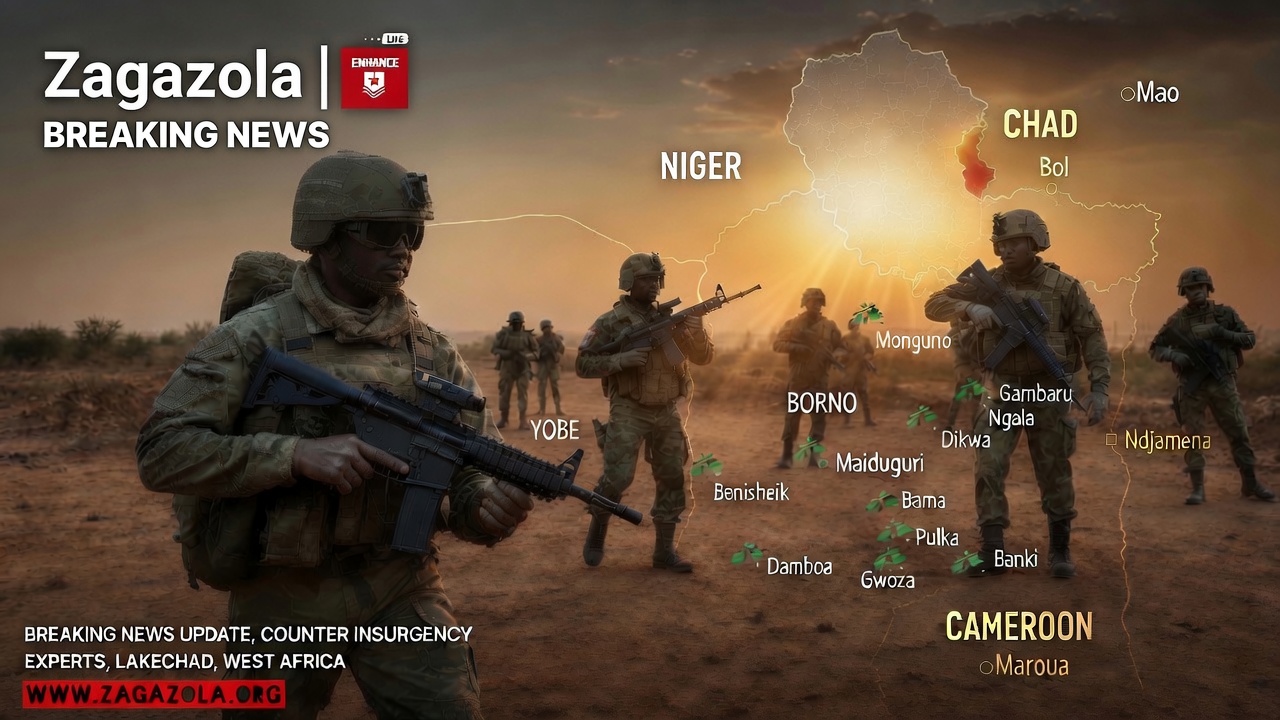
He noted that coordinated offensives across key strongholds such as the Timbuktu Triangle and Sambisa Forest had continued to yield results, with troops maintaining dominance and denying terrorists freedom of action.
“Within this quarter alone, terrorists neutralised from various operations are nearing 1,000, while 57 key commanders have been taken out in recent engagements,” Abubakar disclosed.
Despite these gains, he stressed that the conflict remains dynamic, with insurgents adapting their tactics, particularly through increased use of drones and attacks on soft targets.
“From January to June 2025, over 30 drone-related incidents were recorded within the theatre. This reflects a shift in tactics, requiring us to deploy counter-drone systems and enhance our defensive capabilities,” he said.
He cited a March 16, 2026 incident where terrorists carried out coordinated suicide attacks in a local government area, killing two civilians and injuring several others.
“These attacks are designed to undermine public confidence and disrupt stabilisation efforts, but we have intensified intelligence-led operations and proactive security measures to counter them,” he said.
Abubakar explained that one of the most pressing challenges remains the blending of insurgents within civilian populations, making it difficult to clearly distinguish combatants from non-combatants.
“In asymmetric warfare, there is no clear front line. The enemy lives among the people, observes our movements, and exploits gaps.
“Today, insurgents have fused into communities, which makes intelligence gathering more complex and reduces the rate of surrender compared to previous years,” he said.
He revealed that while about 16,000 insurgents surrendered in 2019, the number dropped significantly to about 500 in 2025, and has reduced further in 2026.
“This does not necessarily mean the threat has disappeared; rather, it shows that insurgents are adapting by embedding within communities,” he added.
The Theatre Commander emphasised that separating insurgents from civilian populations remains critical to ending the conflict.
“If we are able to isolate the terrorists from the public, this war would be close to being over. That interface is what sustains the insurgency,” he said.
He also highlighted instances where insurgents exploit civilian environments to evade military action, sometimes using populated areas as shields.
“In some operations, we tracked terrorists into settlements where civilians were present. This complicates engagement decisions and underscores the importance of community cooperation,” he said.
Abubakar stressed that beyond kinetic operations, non-kinetic strategies such as community engagement, humanitarian support, and deradicalisation programmes play a vital role in achieving lasting peace.
He commended the Borno State Government’s “Borno Model” for rehabilitation and reintegration, noting that it had contributed to encouraging defections and weakening insurgent ranks.
The commander further underscored the importance of accurate and responsible media reporting, describing it as a key component of national security.
“In warfare, particularly asymmetric warfare, the media plays a crucial role. You must push the correct narrative.
“When false or unverified information is circulated, it not only misleads the public but also aids the terrorists by undermining confidence in military operations,” he said.
He cautioned against the spread of misinformation, especially on social media, noting that non-professionals often publish content without understanding its implications.
“These individuals are not trained journalists, yet their reports reach millions. This forces us to divert energy from operations to counter false narratives,” he said.
Abubakar called on media practitioners to uphold professionalism and ensure that reports accurately reflect realities on the ground.
“We owe Nigerians the truth. Sometimes we record setbacks, but most times we achieve successes. The public deserves to know the true situation,” he said.
The Theatre Commander reaffirmed the military’s commitment to sustaining pressure on insurgents, protecting civilians, and consolidating gains achieved across the North-East.
He said future operations would focus on continued clearance of terrorist enclaves, protection of vulnerable communities, support for the return of displaced persons, and strengthening collaboration with local and international partners.
“Our troops remain resilient and committed. We will continue to adapt, innovate, and maintain the momentum until lasting peace is achieved,” he said.