ISWAP fighters face food, fuel shortages in Borno — intelligence
By: Zagazola Makama
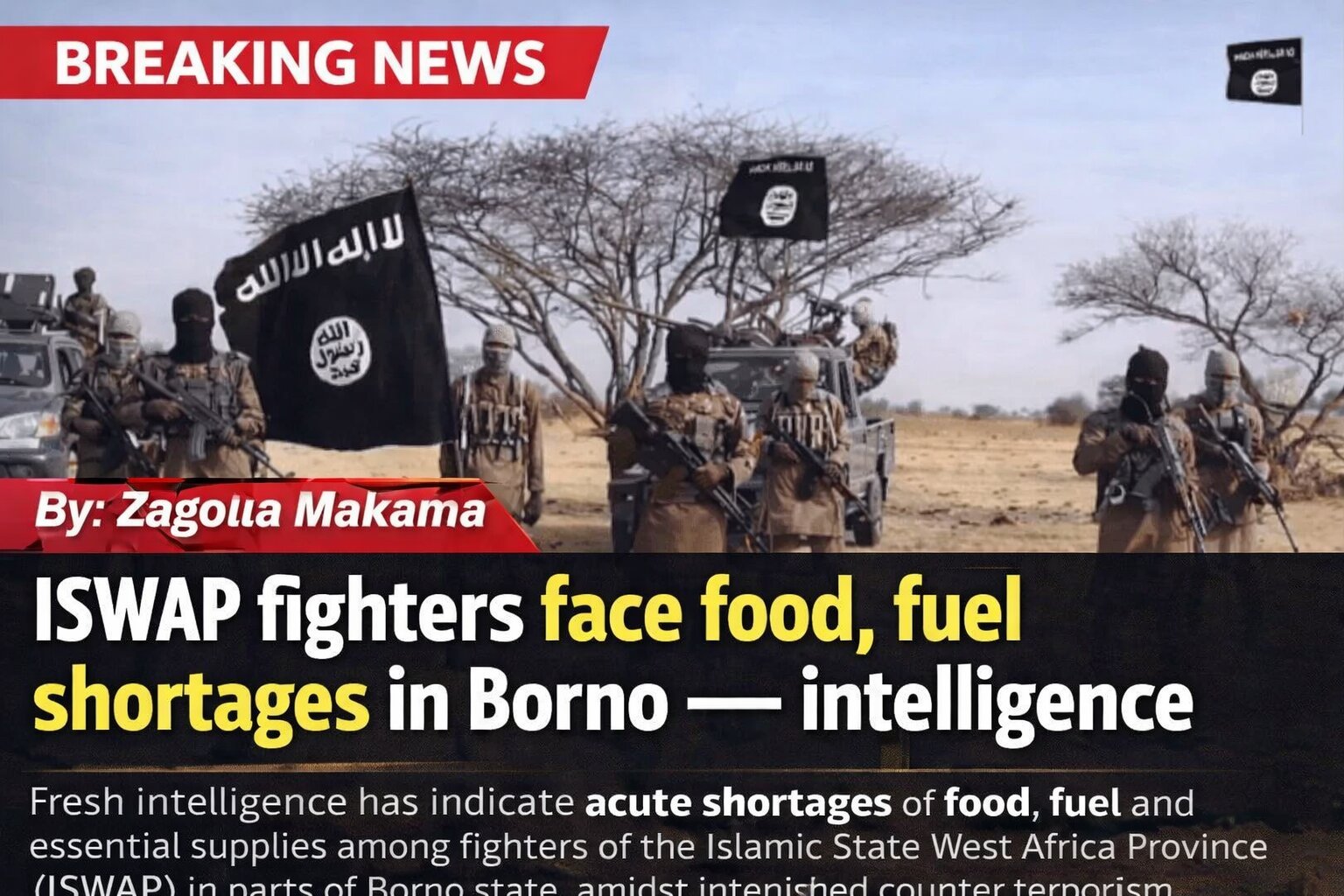
Fresh intelligence has indicate acute shortages of food, fuel and essential supplies among fighters of the Islamic State West Africa Province (ISWAP) in parts of Borno state, amidst intensified counter terrorism offensive.
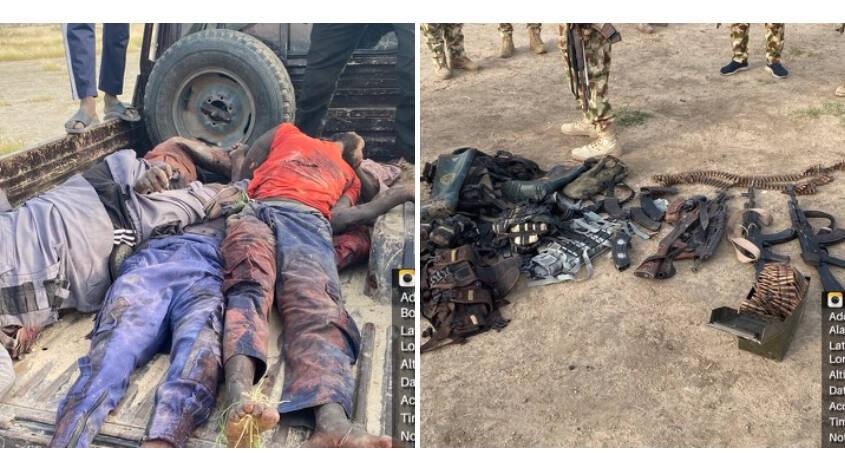
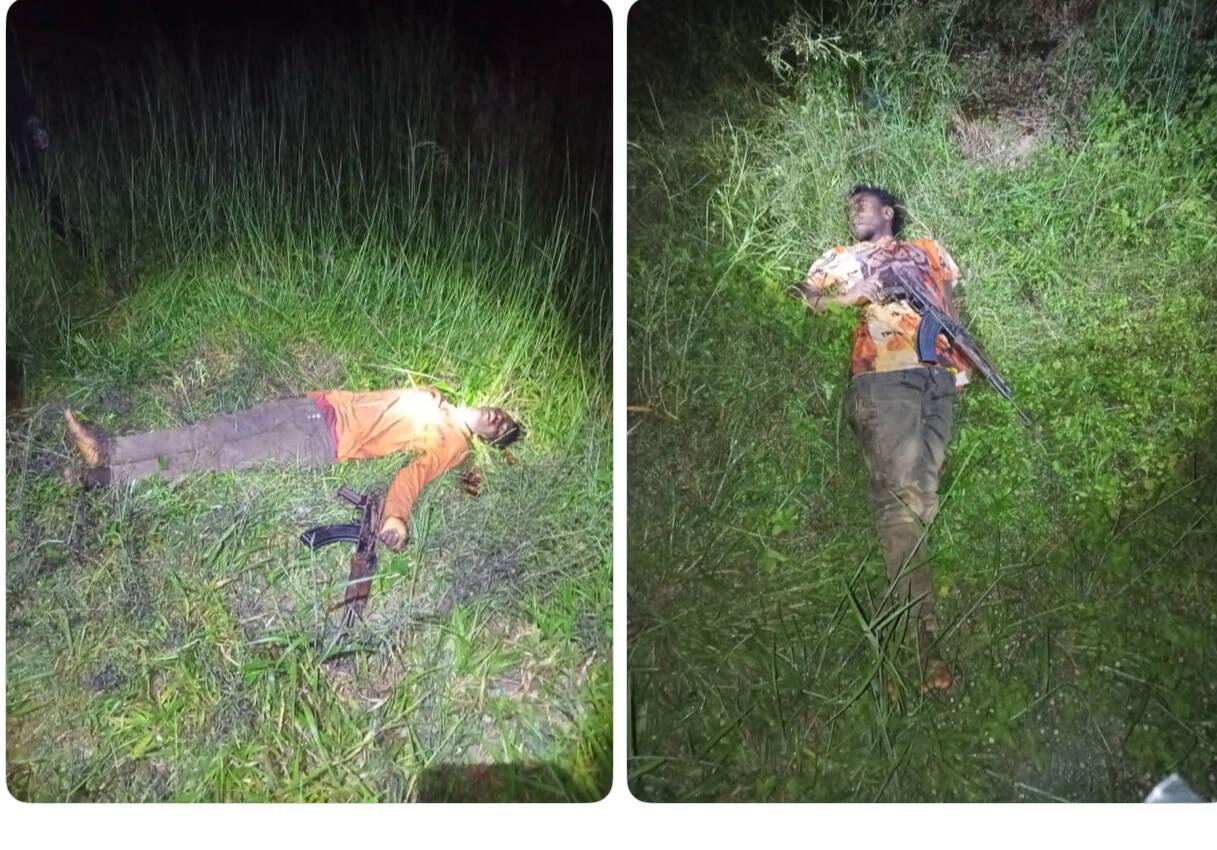
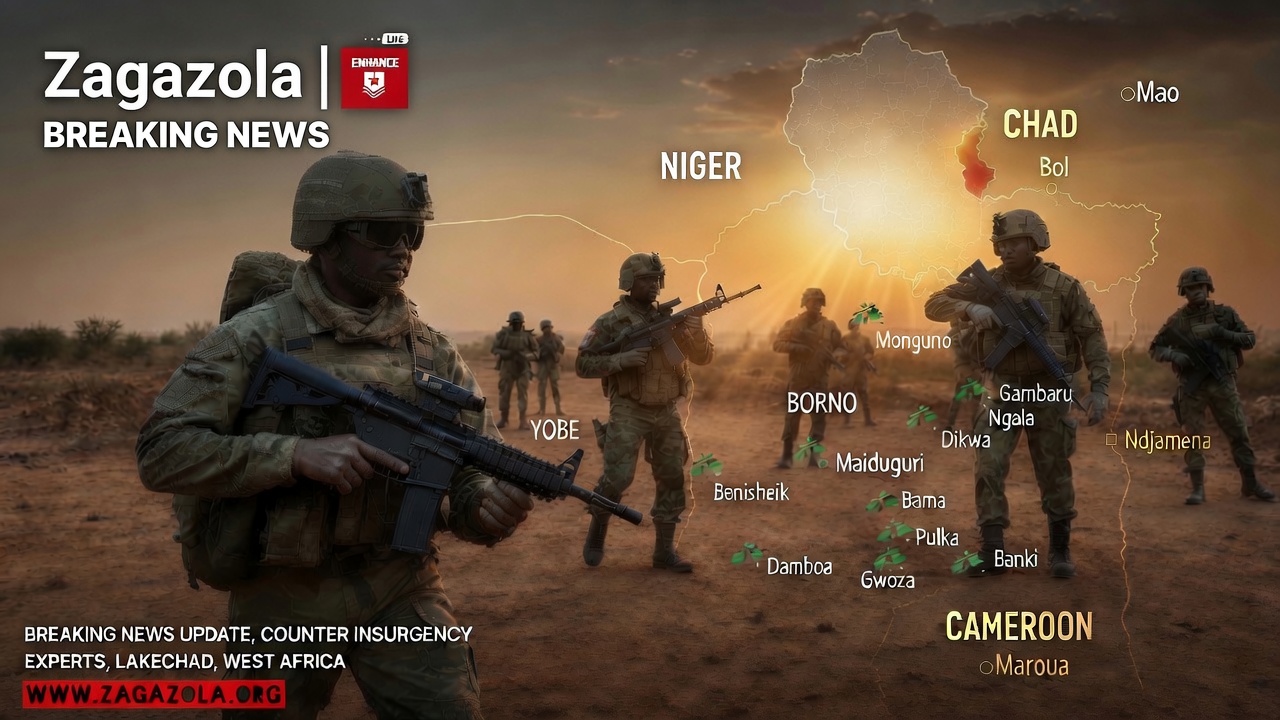
The development comes amid sustained military pressure by troops of Operation Hadin Kai and other security agencies, targeting terrorist enclaves, supply routes and logistics networks across Borno and the wider Lake Chad Basin.
Findings from security sources reveal that ISWAP operating in camps within Mafa Local Government Area, particularly around the Dikwa and Sambisa Forest axis, are grappling with severe logistical constraints that are beginning to erode both their operational effectiveness and morale.
At the centre of the development is a reported distress communication by a senior fighter, identified as Abu Fatima, who is said to be operating around the Hamza Gajirom area of Dikwa.
According to the intelligence, Abu Fatima lamented that members of his group had not eaten for two days due to lack of food, while also pointing out shortages of fuel, tyre repair materials and even recharge cards needed for communication.
The report further indicates that an ISWAP commander based in a camp within Sambisa Forest acknowledged the situation, noting that he had earlier been directed to check on the group but could not establish contact due to poor telecommunications network in the area.
The commander reportedly admitted that even fighters in his own location were still awaiting fuel supplies, pointing to the widespread nature of the logistical challenges.
Sources noted that fuel scarcity is particularly critical, as it directly affects mobility, resupply operations and the ability of fighters to carry out coordinated attacks or retreat under pressure.
In insurgent warfare, mobility is everything. Once that is constrained, the group becomes exposed and predictable,” the sources said.
Further intelligence suggests that the affected fighters are unable to relocate due to lack of fuel and absence of nearby civilian communities or settlements from which they could source supplies, pointing to a growing level of isolation within the camps. However, the situation also reveals internal contradictions within the group.
Despite the widespread shortages, there are indications of selective distribution of resources, with a fighter identified as Ibn Bukar reportedly receiving a new motorcycle and rifle. This could point to prioritisation within the ranks or possible favouritism, which may in turn fuel discontent among fighters already facing hardship.
“Such disparities can create fractures within insurgent groups, especially when survival is at stake,” the sources added.
Military operations in recent months have increasingly focused on disrupting the ability of insurgents to access food, fuel and communication tools, a strategy experts say is now yielding tangible results.
Sources noted that the current situation may force ISWAP fighters into desperate measures, including attempts to raid vulnerable communities for supplies or increased reliance on local collaborators.